

Rolex
Rolex is the watchmaker that turned two inventions, the Oyster case and the Perpetual rotor, into a reference-driven language collectors can still read today.
Rolex is the modern watch brand that made continuity itself collectible, because it built tool and everyday watches that changed in small, traceable steps instead of periodic reinventions. The clearest proof is structural, the Oyster case arrived in 1926 and the Perpetual self-winding rotor followed in 1931, and those two ideas still sit underneath most of what collectors chase.
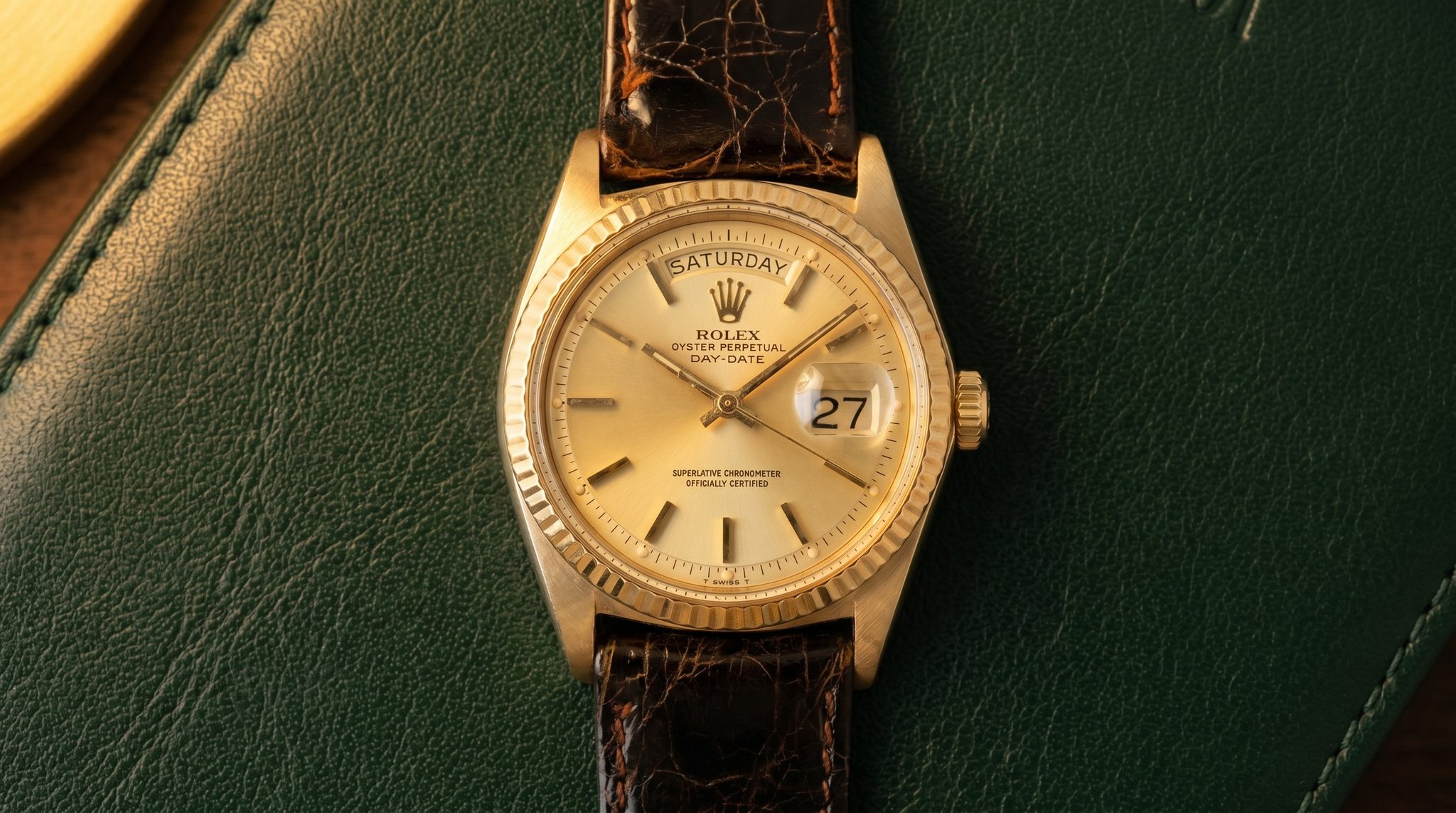
Rolex began in London in 1905 as Wilsdorf & Davis, moved to Geneva in 1919, and registered in Switzerland as Montres Rolex S.A. in 1920. Collecting interest clusters around families that either defined a category or produced unusually legible variants: the Submariner (launched 1953), Explorer (1953), GMT-Master (1954), Day-Date (1956), Milgauss (1956), and the Cosmograph Daytona as the chronograph line whose reference progression and dial variants became its own field.
What separates Rolex from many rivals is not that its designs never changed, they did, but that the changes often landed where the eye can verify them. A bezel insert switches material, dial text shifts by a line, lume signatures move from tritium text to later markings, case details like lug holes and inner rehaut engraving appear, and movement generations roll forward. The result is that two watches can look nearly identical at arm’s length, yet one sits in a different production slice with different collector weight.
This is also why Rolex collecting is unusually reference-number centric. The brand’s most discussed watches are not only “models,” they are specific references whose identity is made of several independent clues that do not always change together. A late-20th-century sports Rolex might keep the same silhouette while the dial signature changes, then the bracelet construction changes, then the case finishing changes. A vintage piece might preserve the same case for decades while its dials evolve into a readable timeline. Rolex did not publish a single factory ledger that cleanly dates every transition, so the most defensible conclusions come from combining what Rolex itself states about a family’s purpose with the consistent patterns documented by specialists and auction cataloging.
One zoomed-out consequence follows from this evidence: Rolex became the dominant collecting category because it sits at the intersection of daily usability, instant recognition, and a lineage that can be verified in physical details. In other words, the brand’s appeal is not only history, it is that the history is often still visible on the object in the hand.
120 references across 13 model families
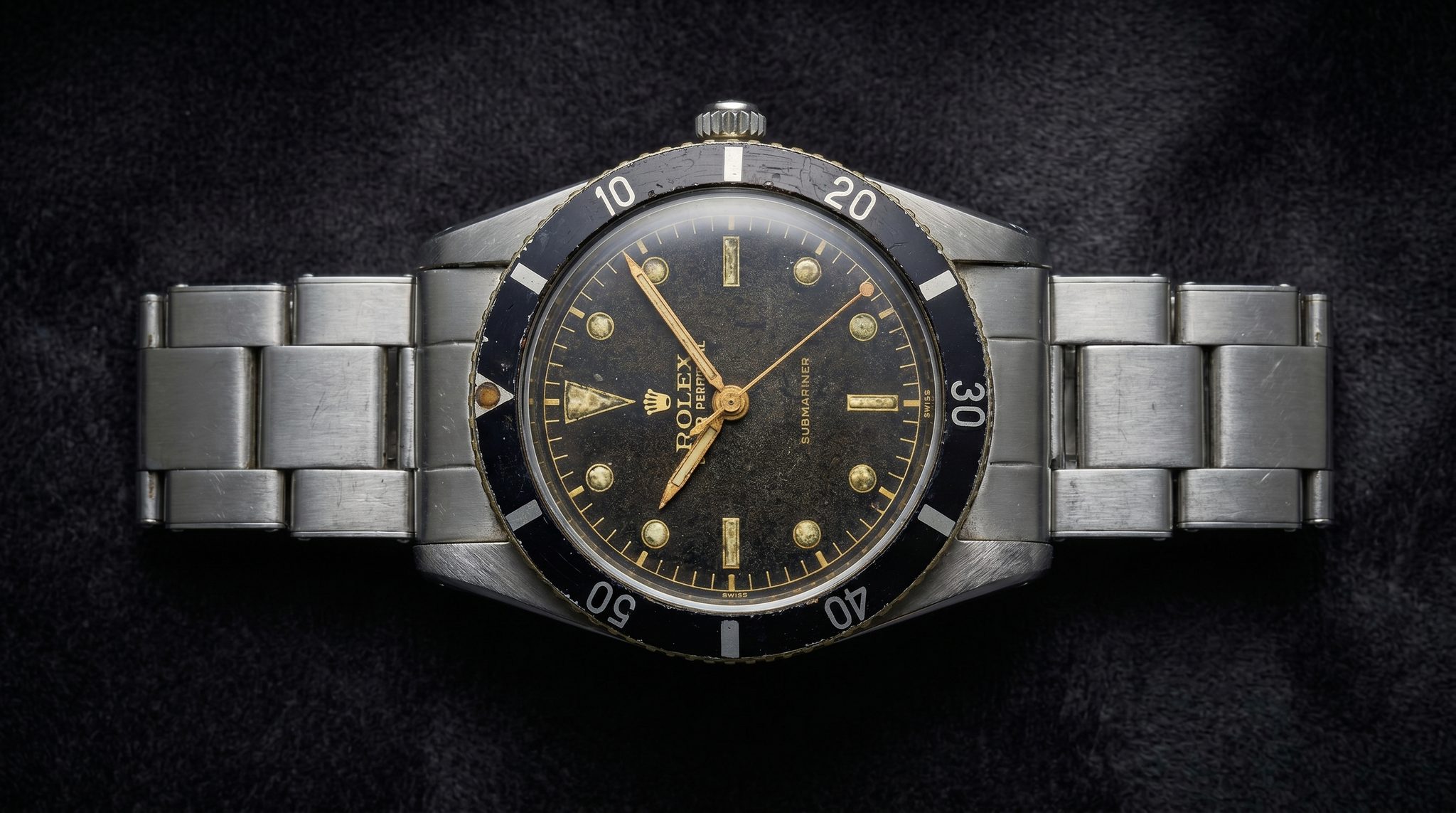
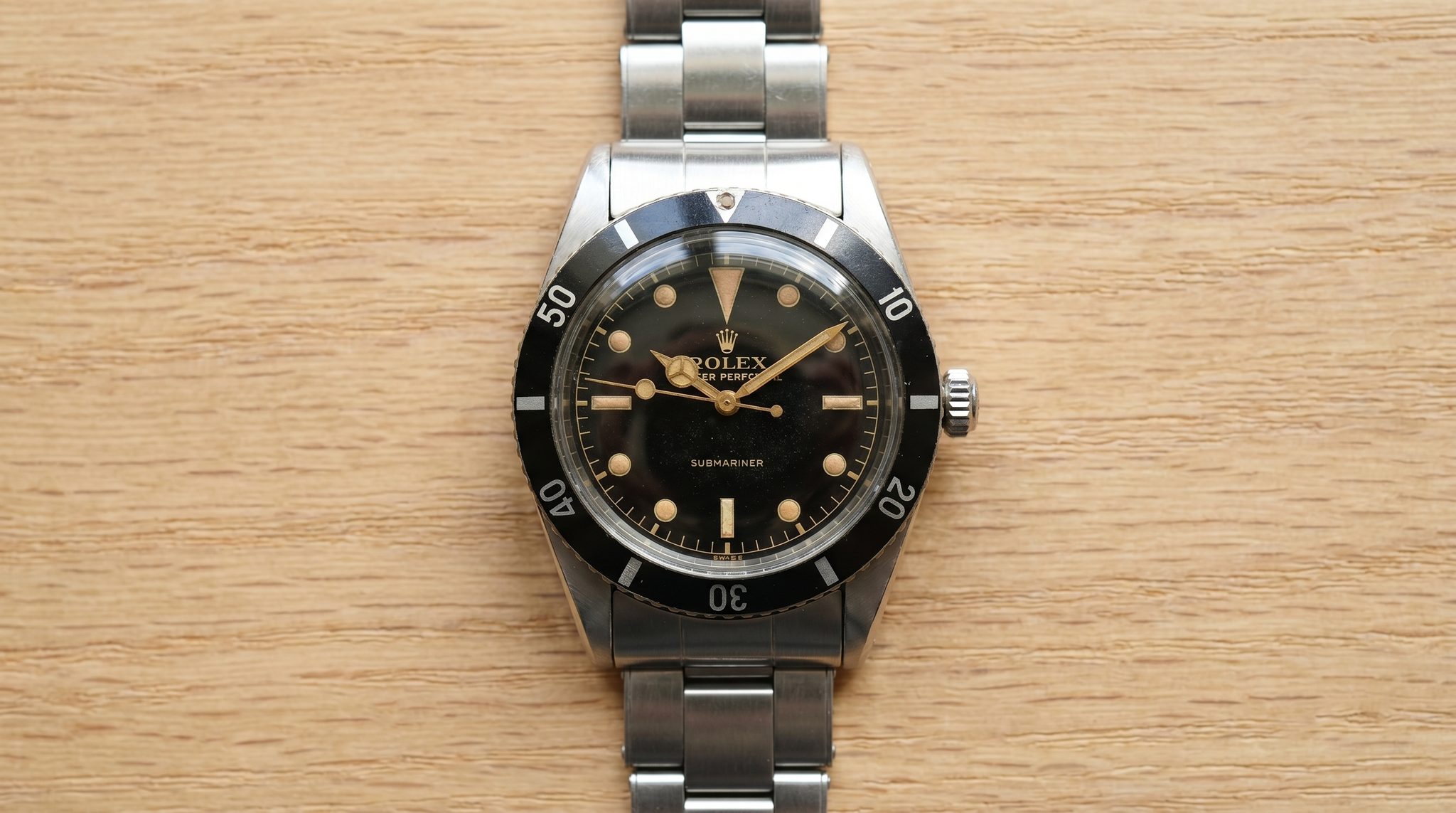
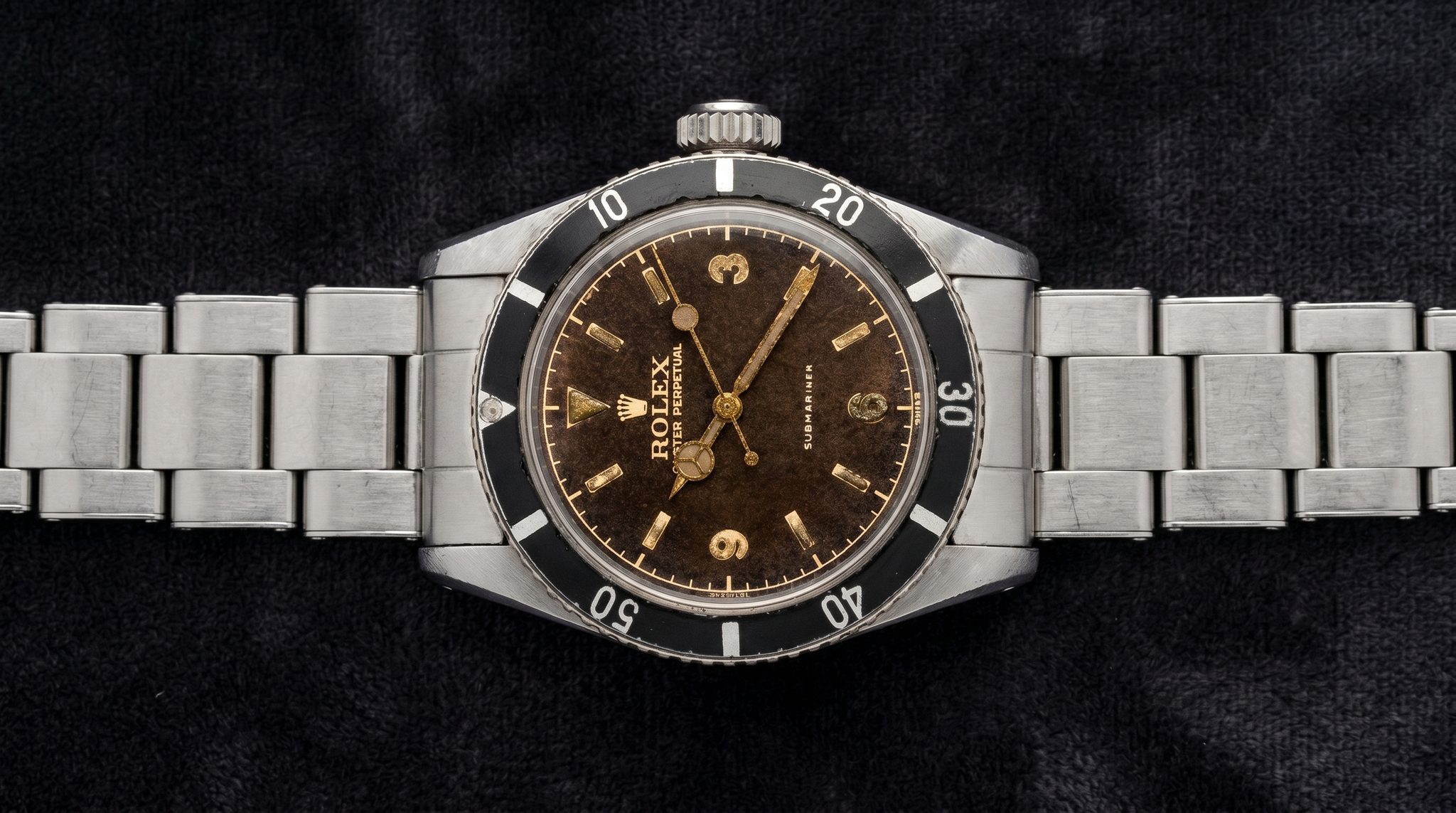
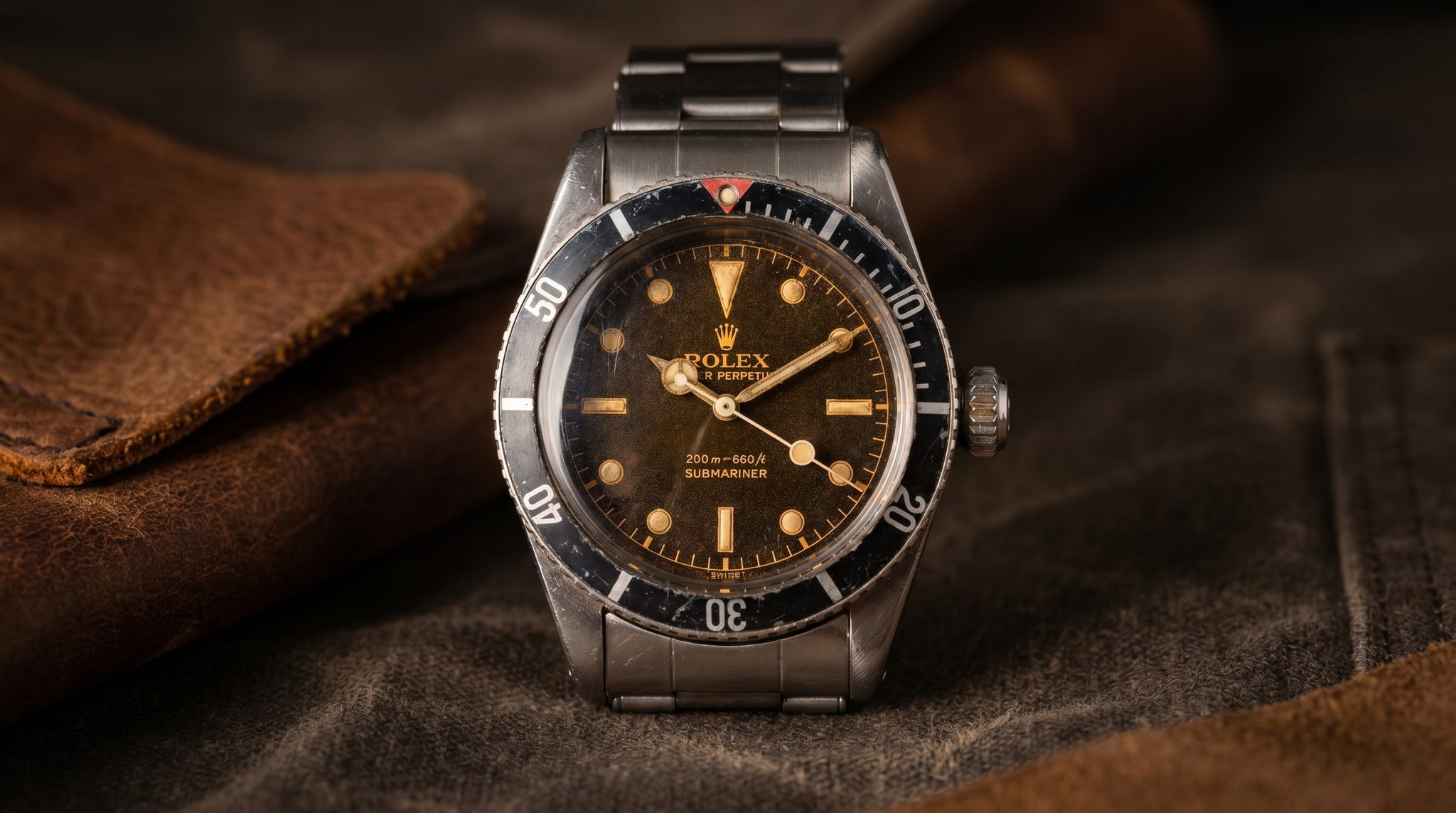
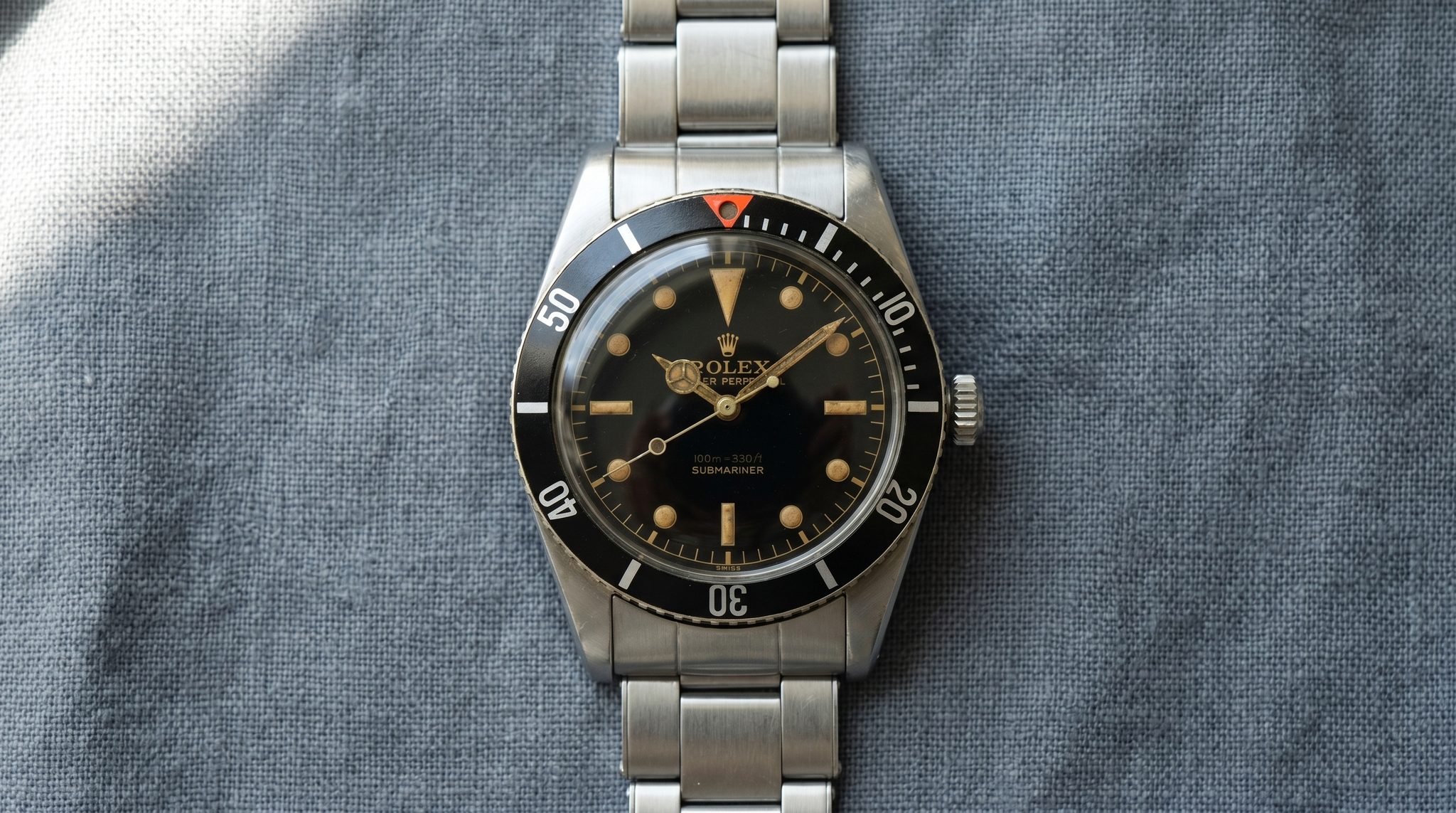
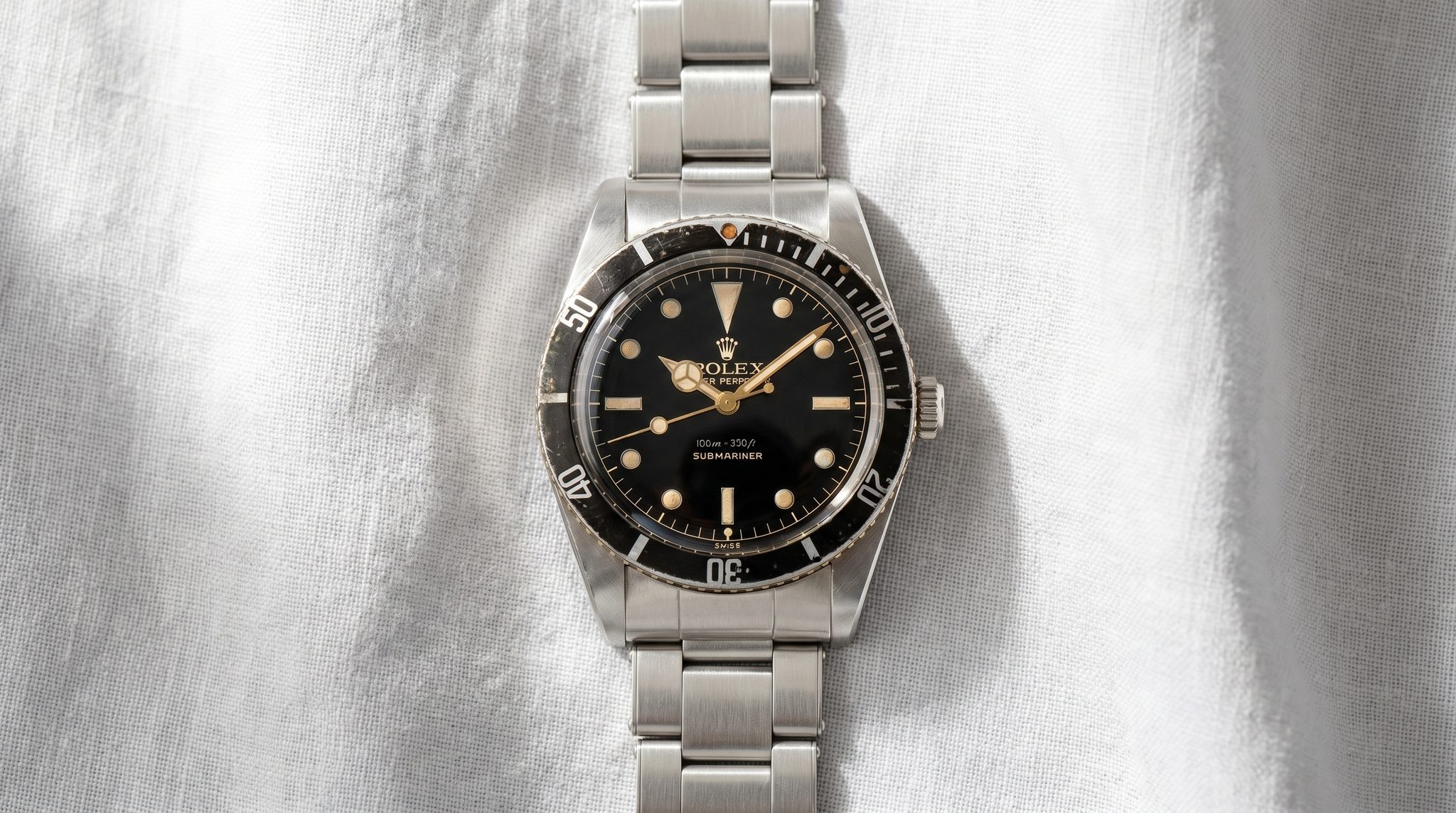
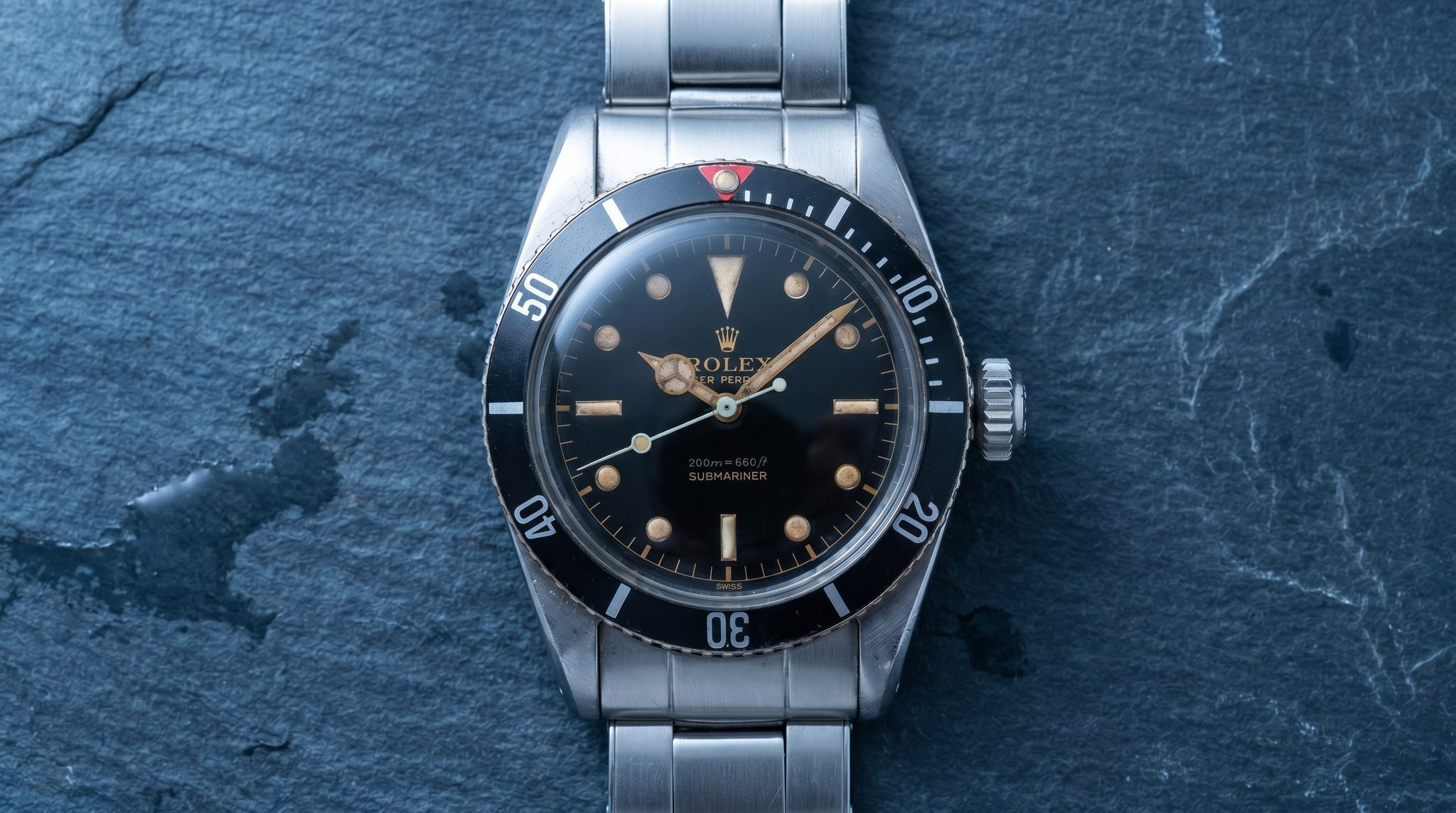
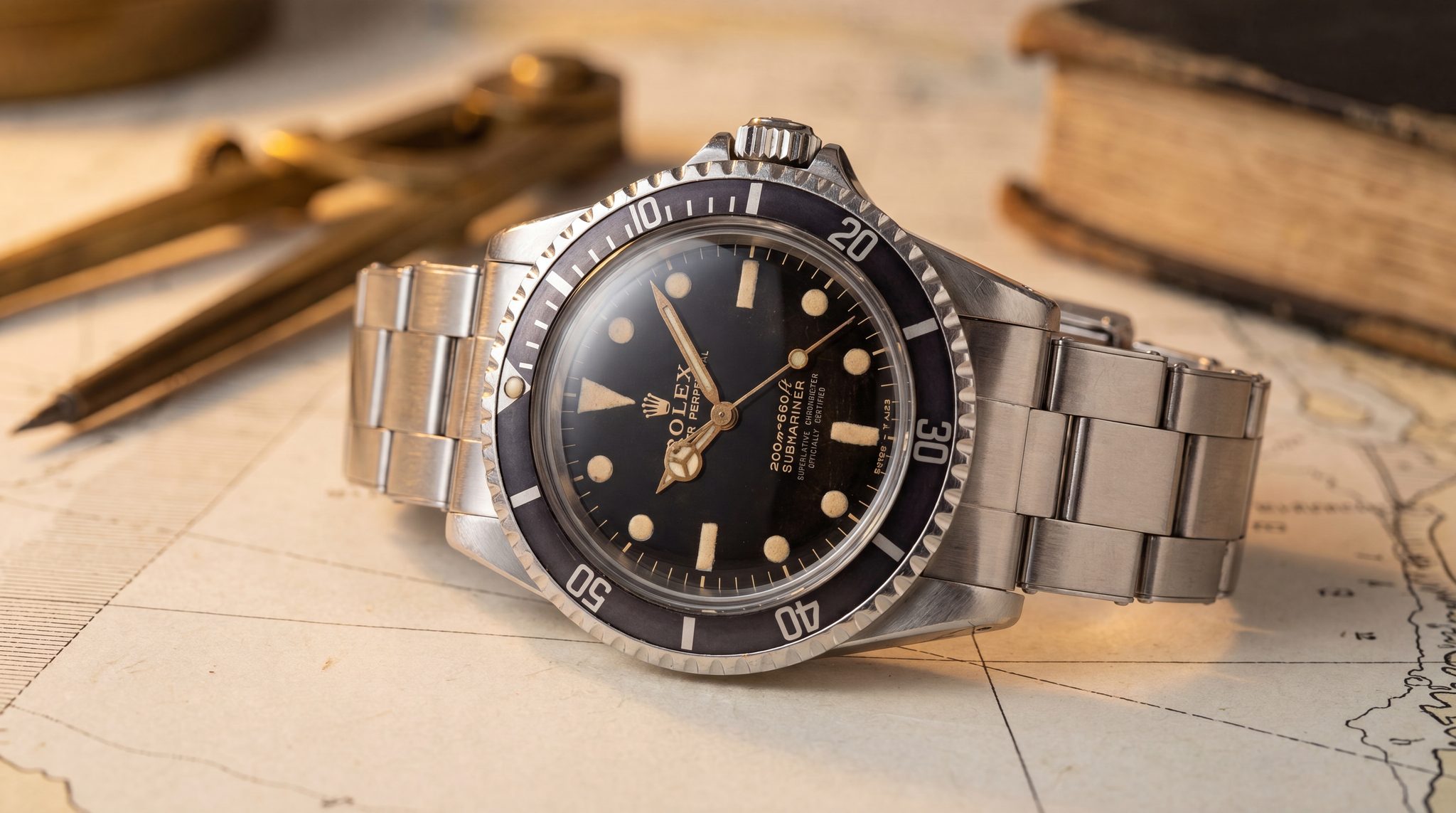
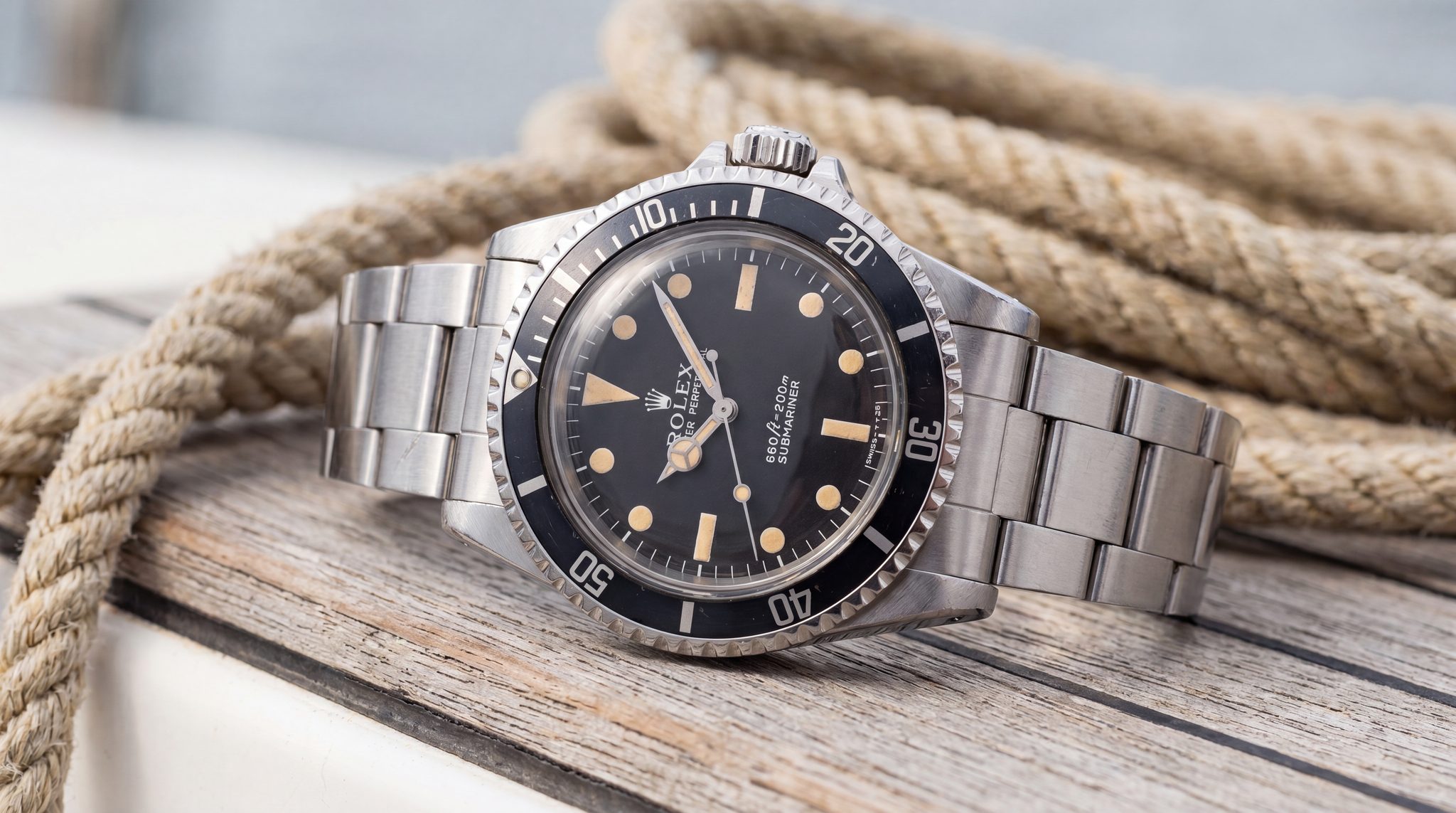
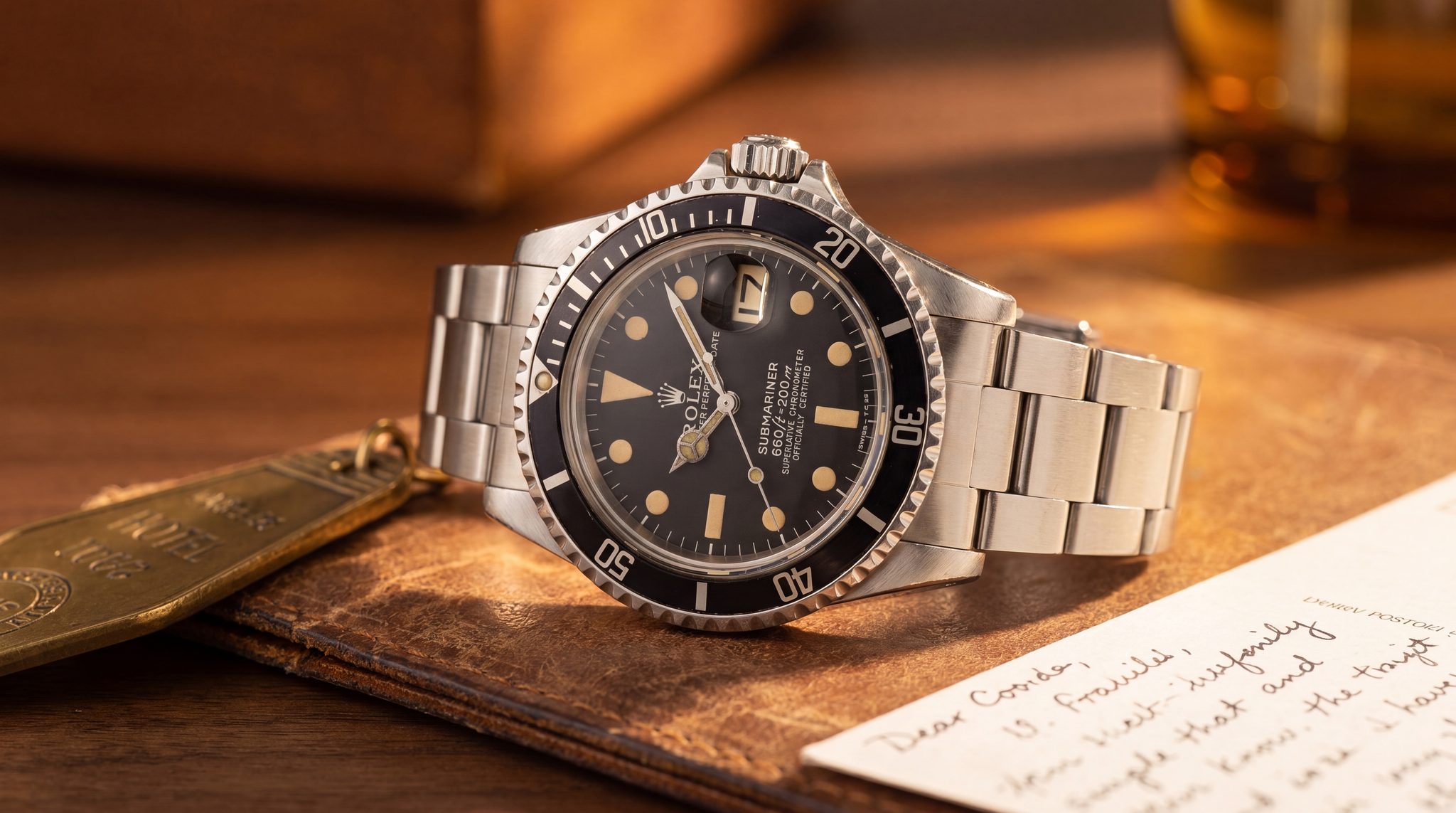
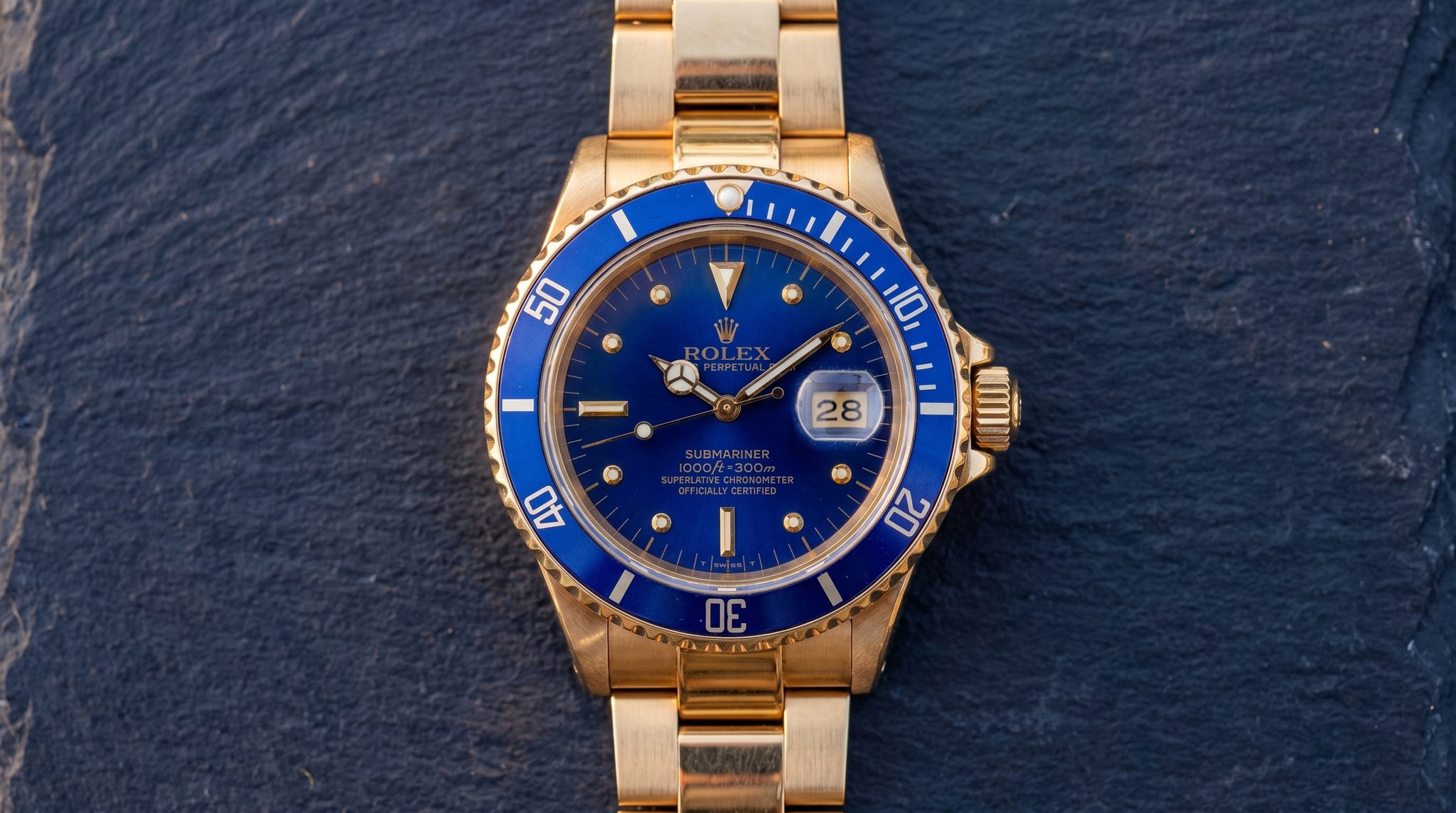
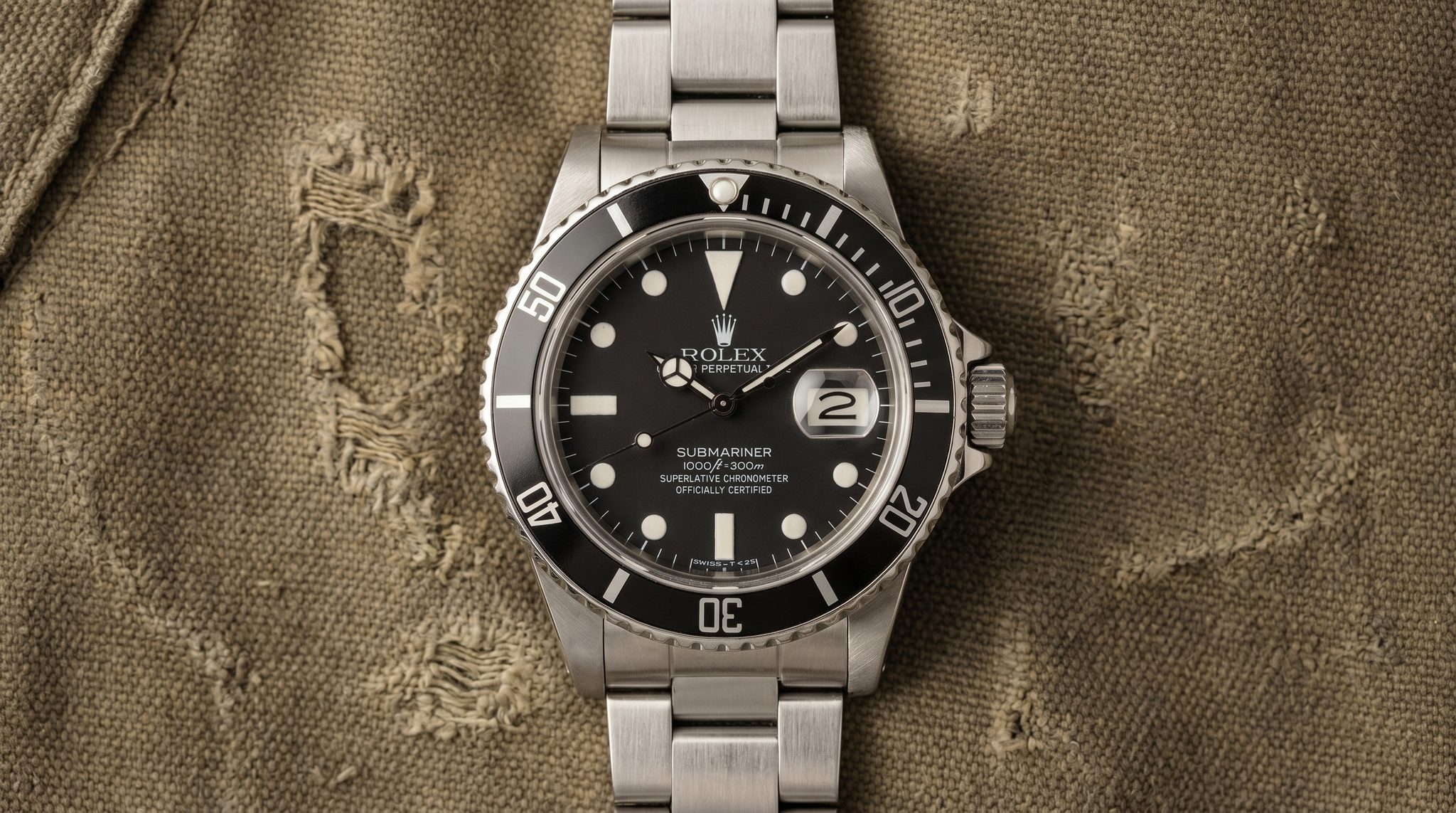
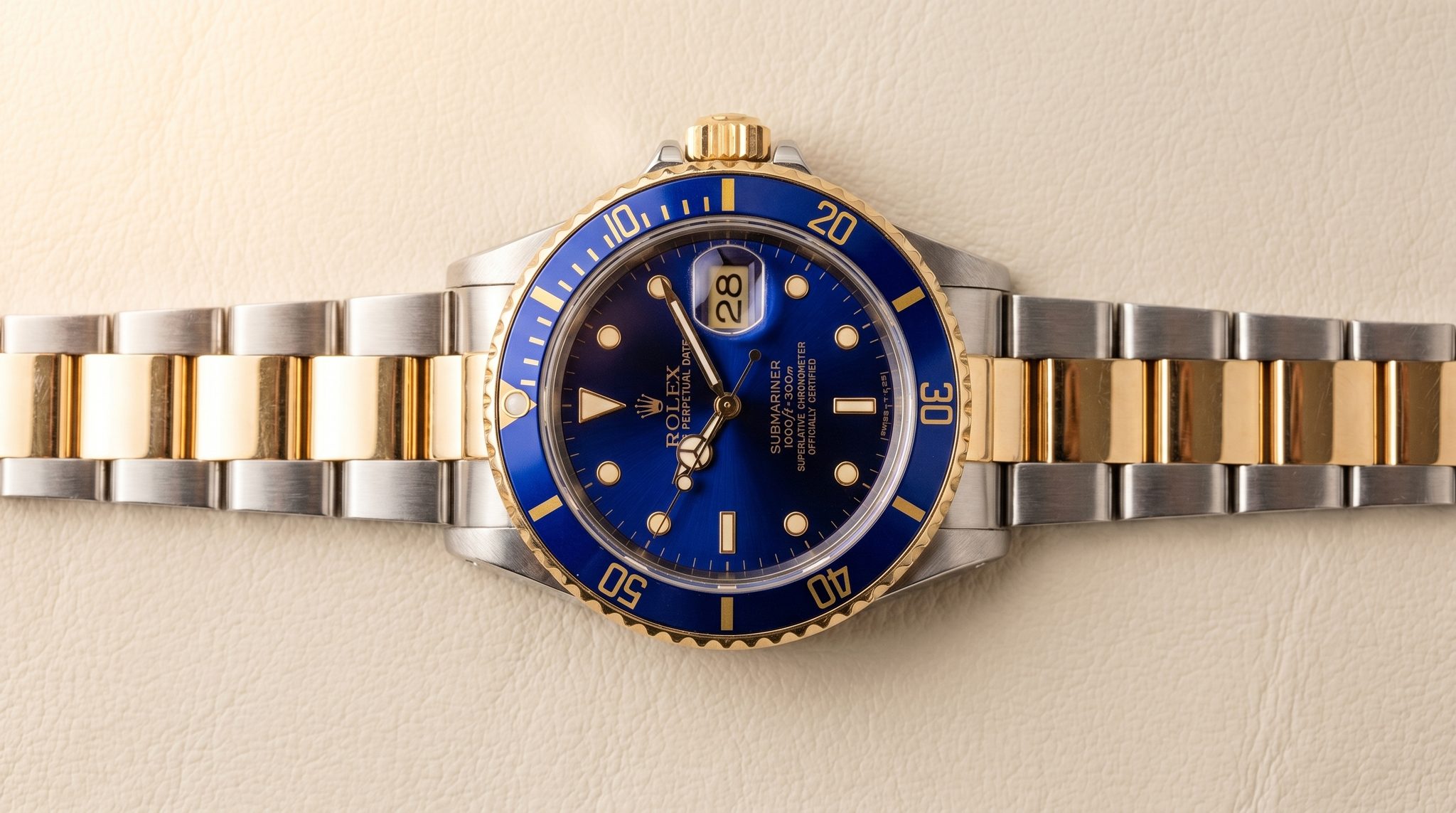
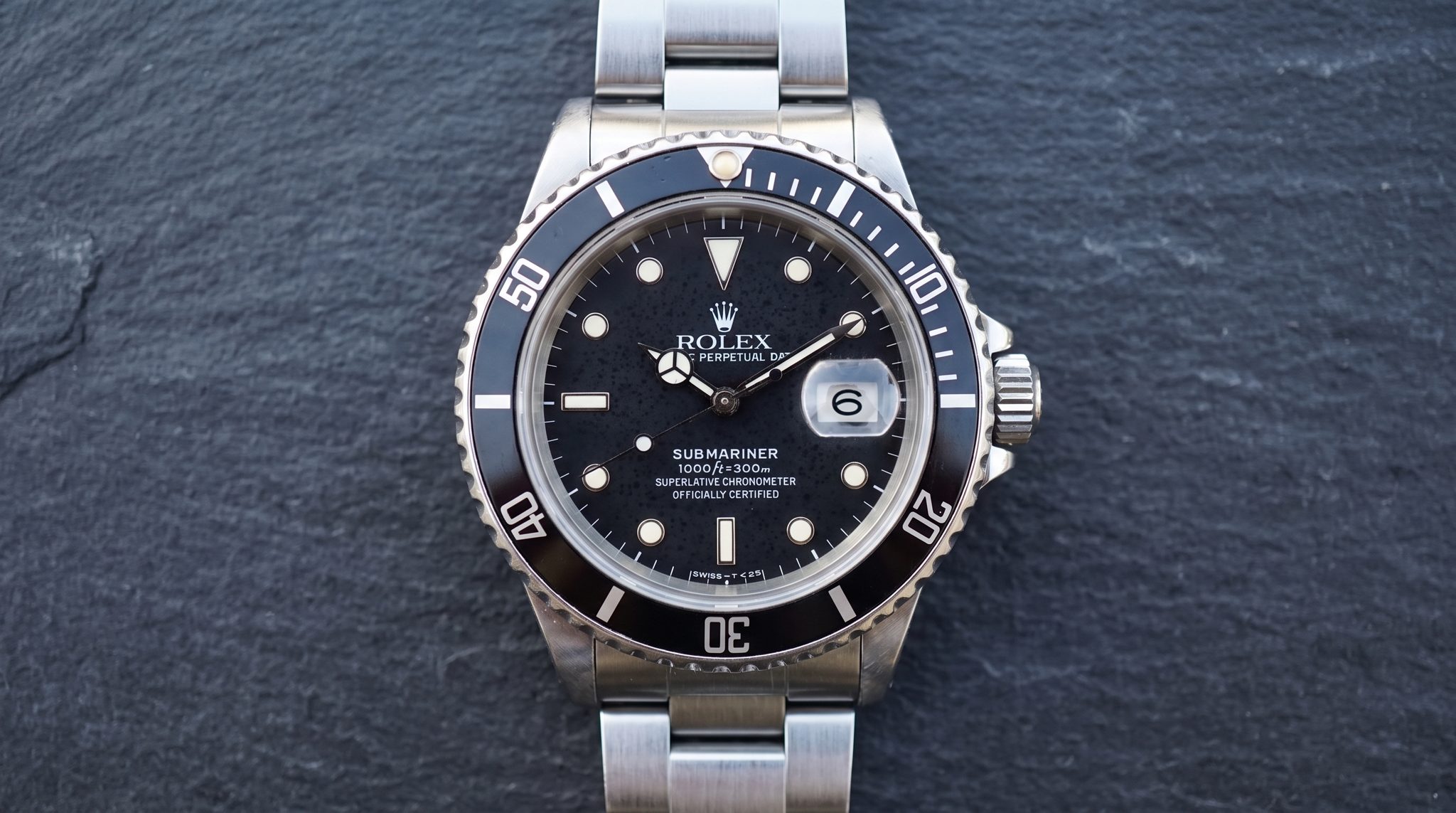
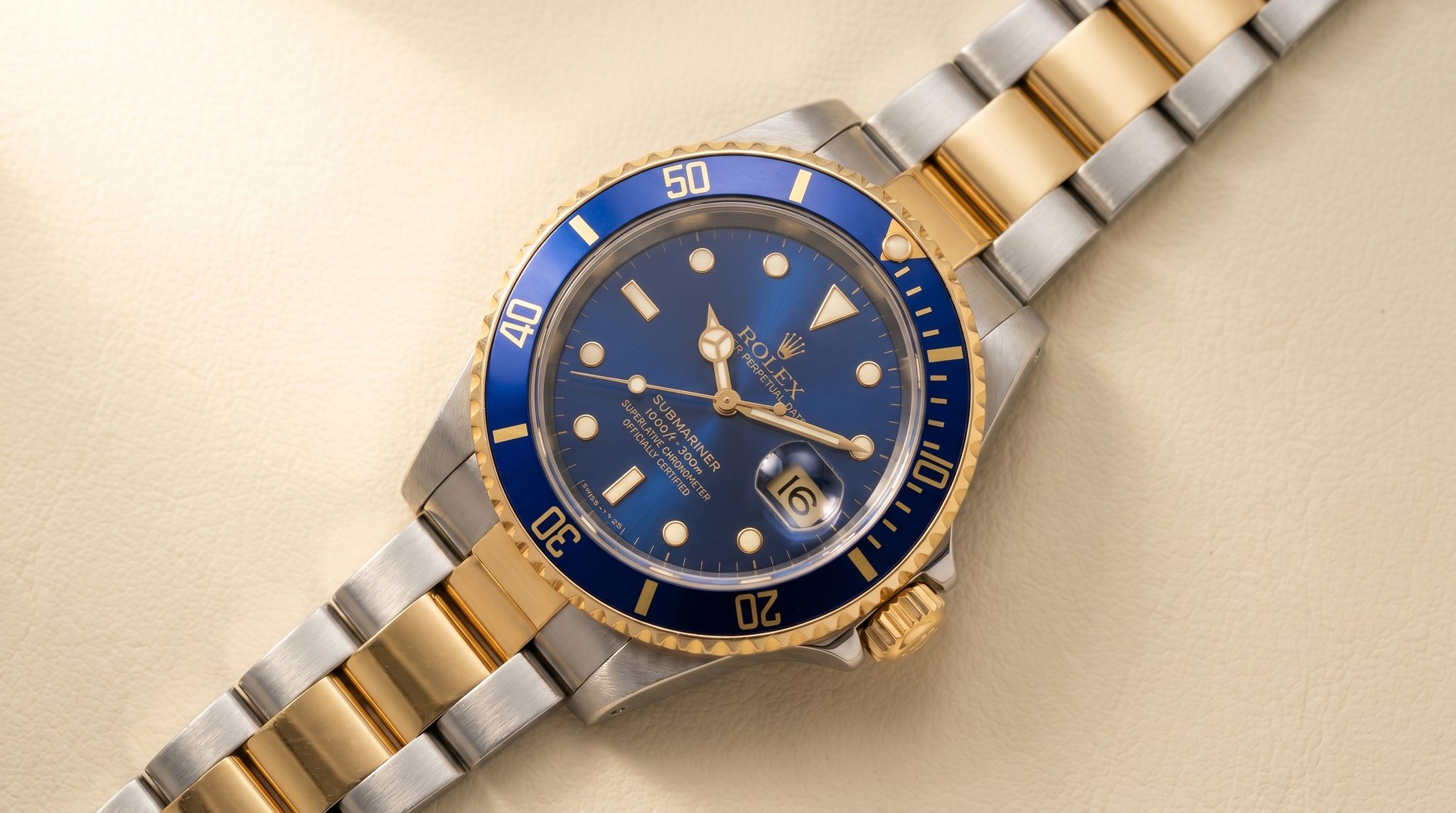
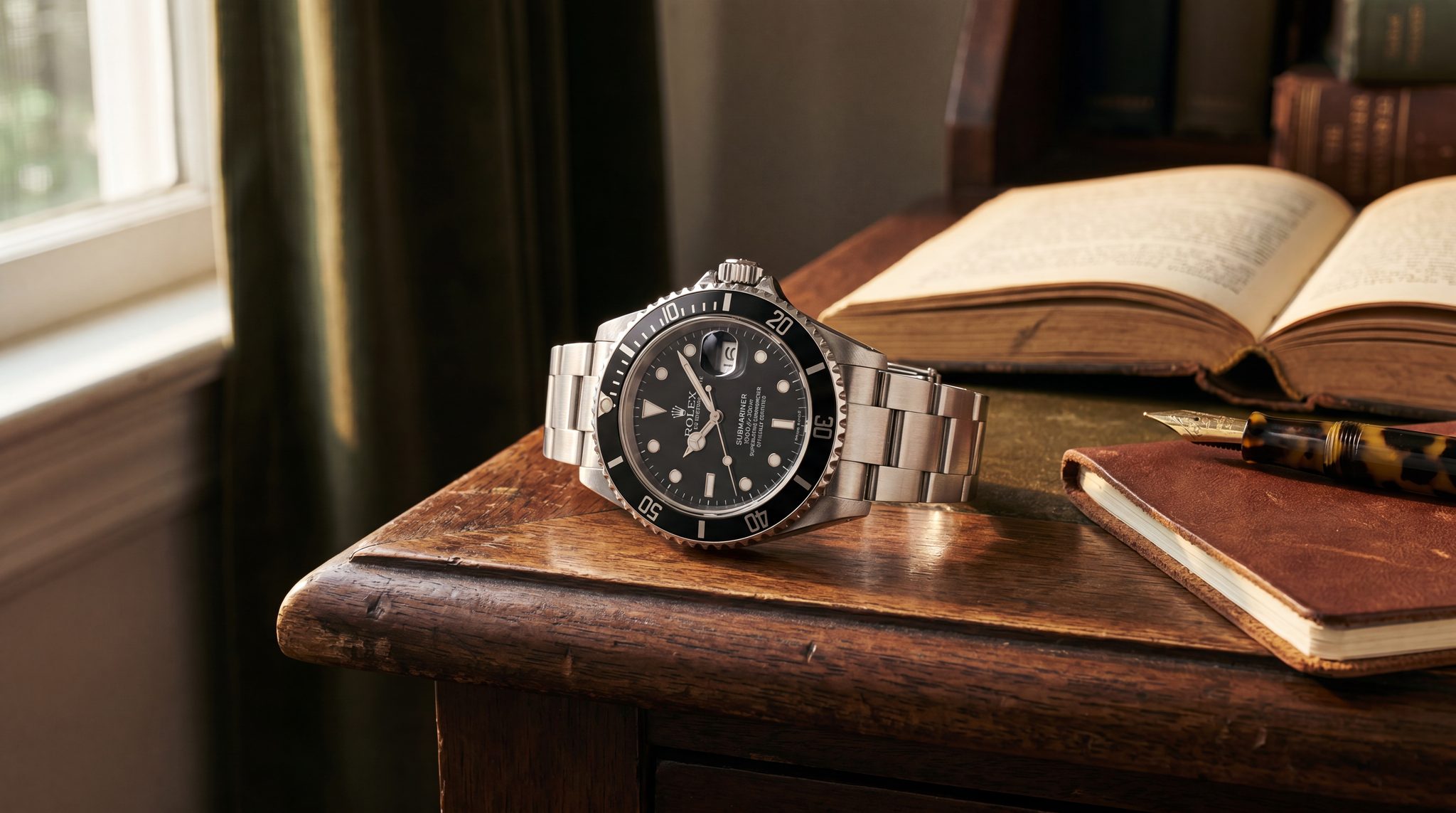
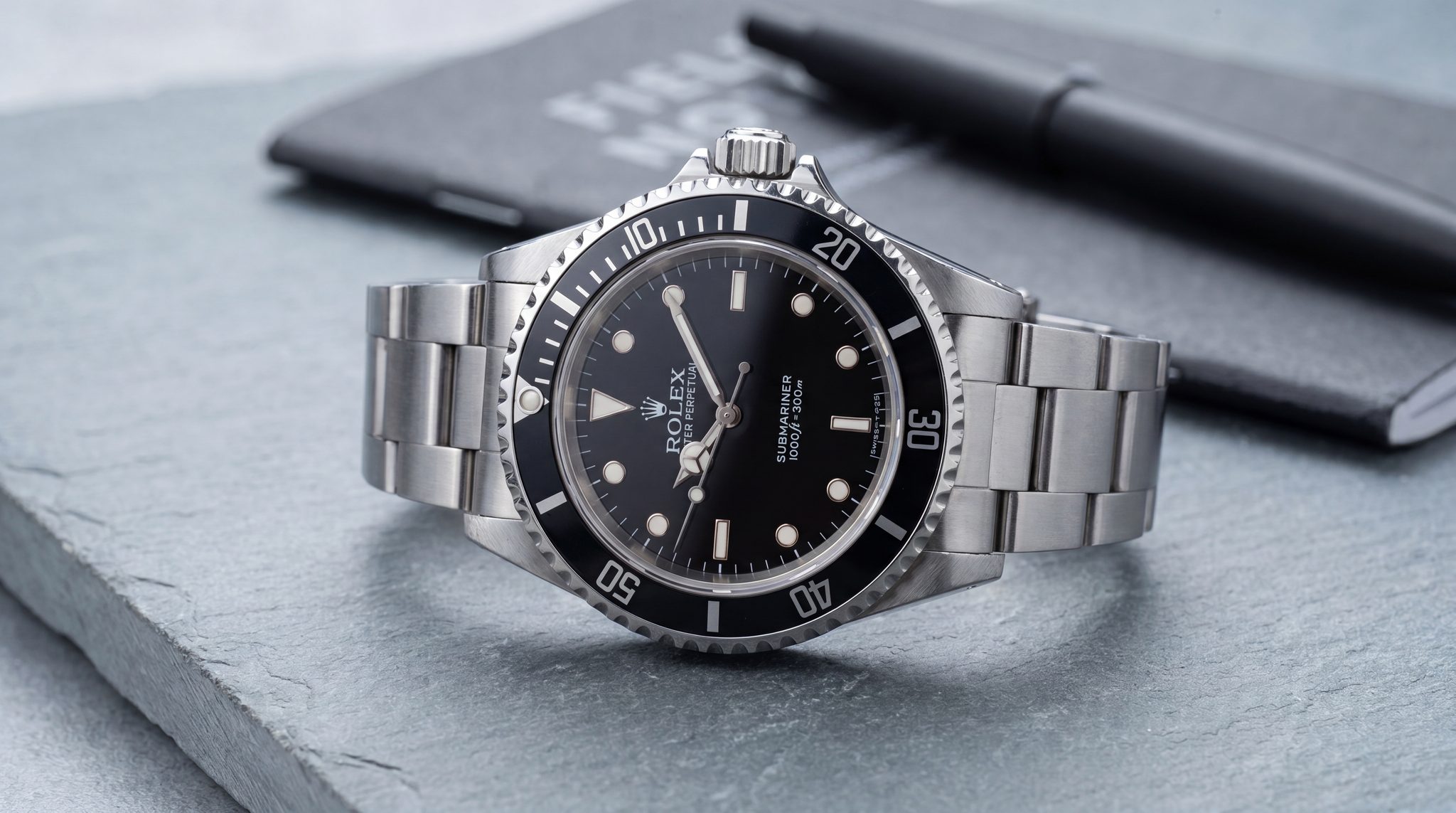
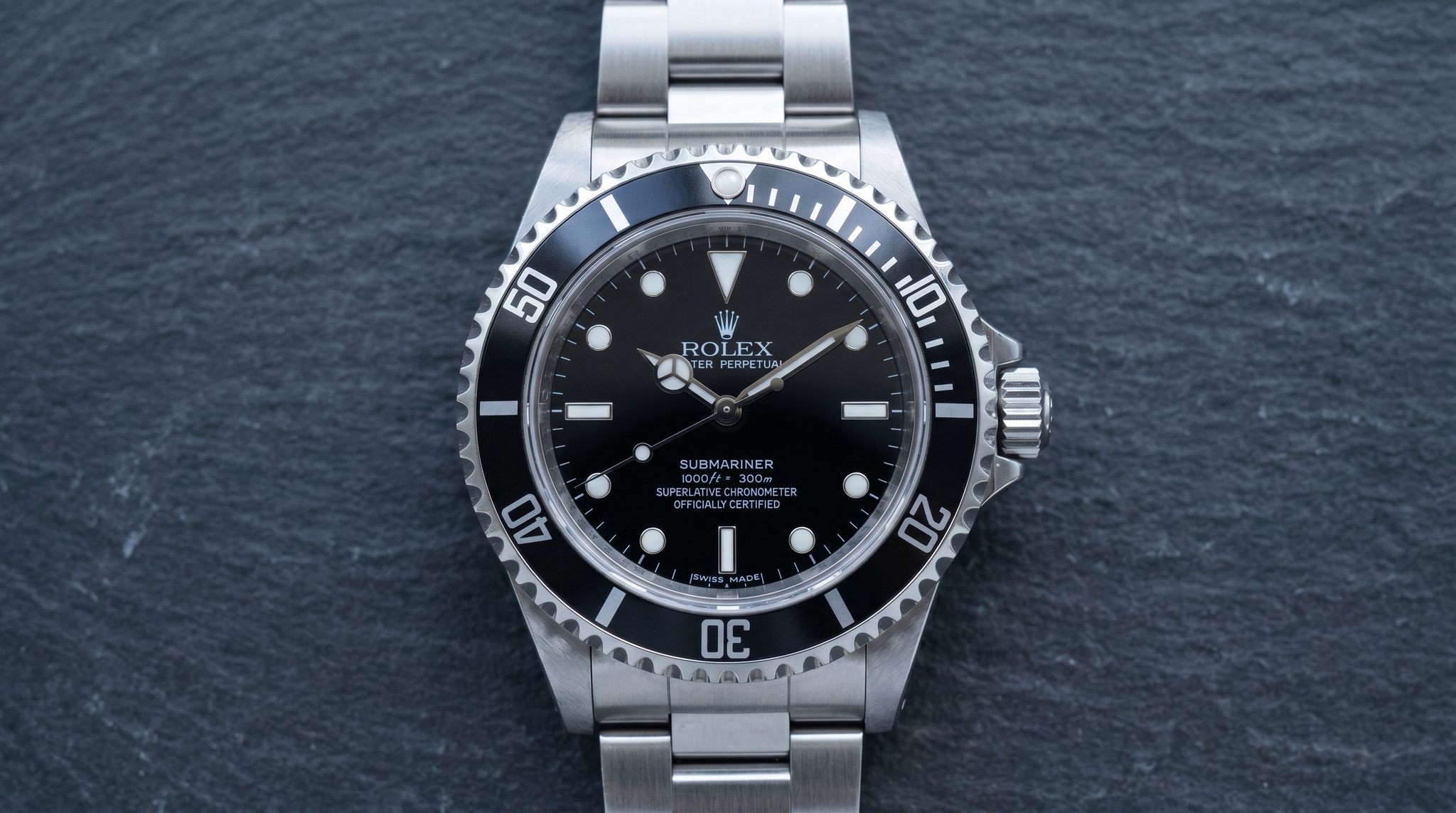
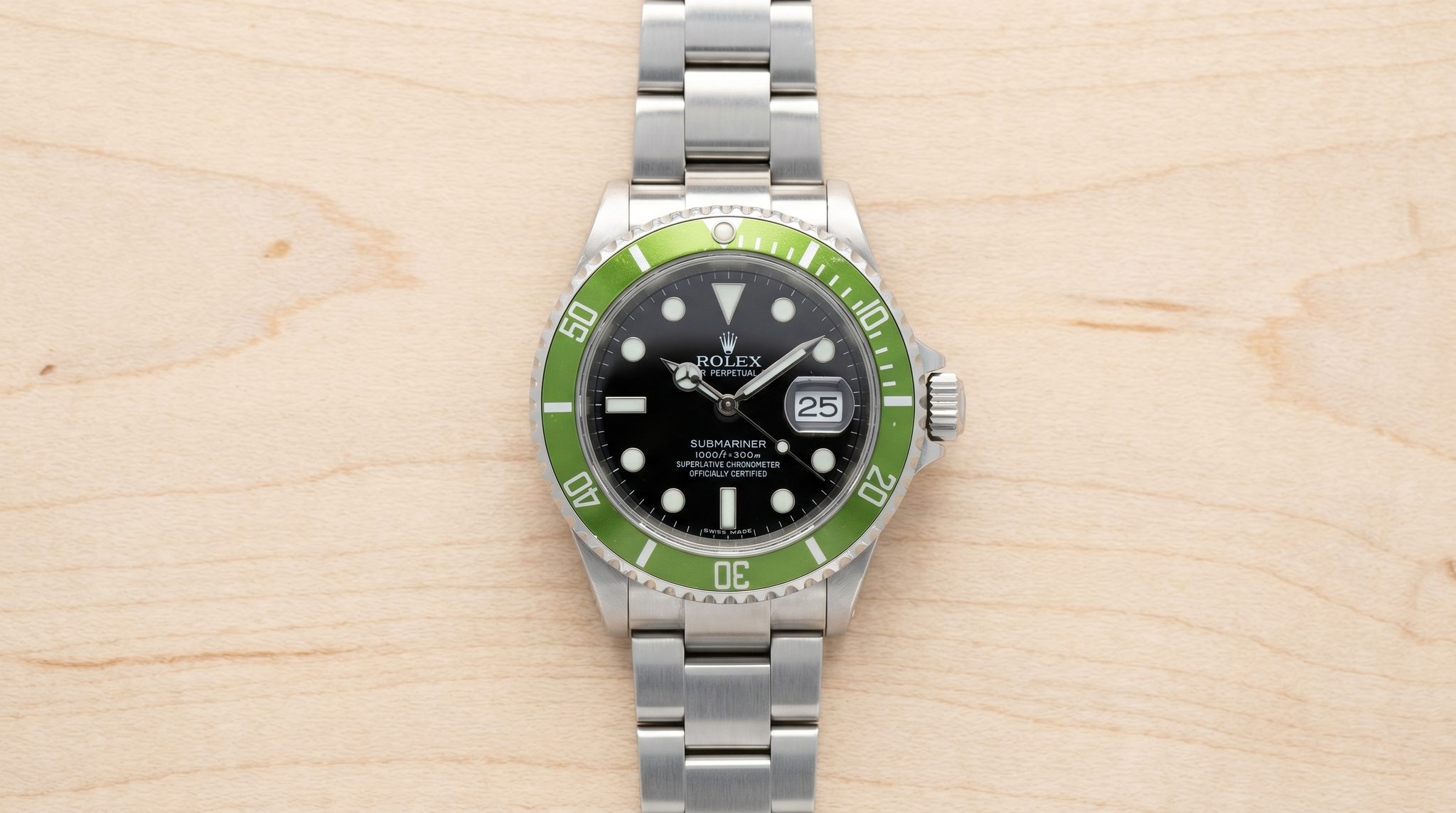
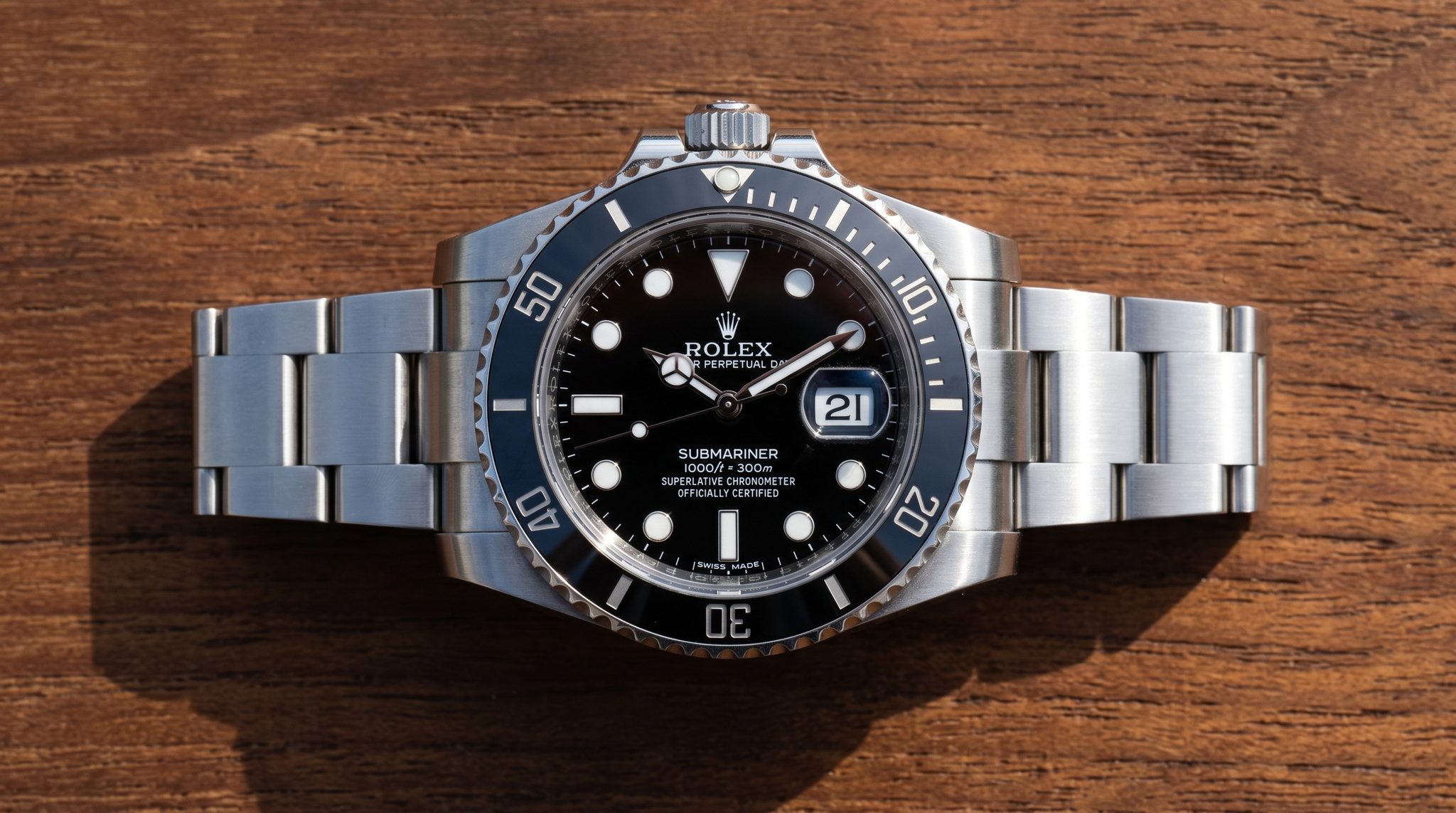
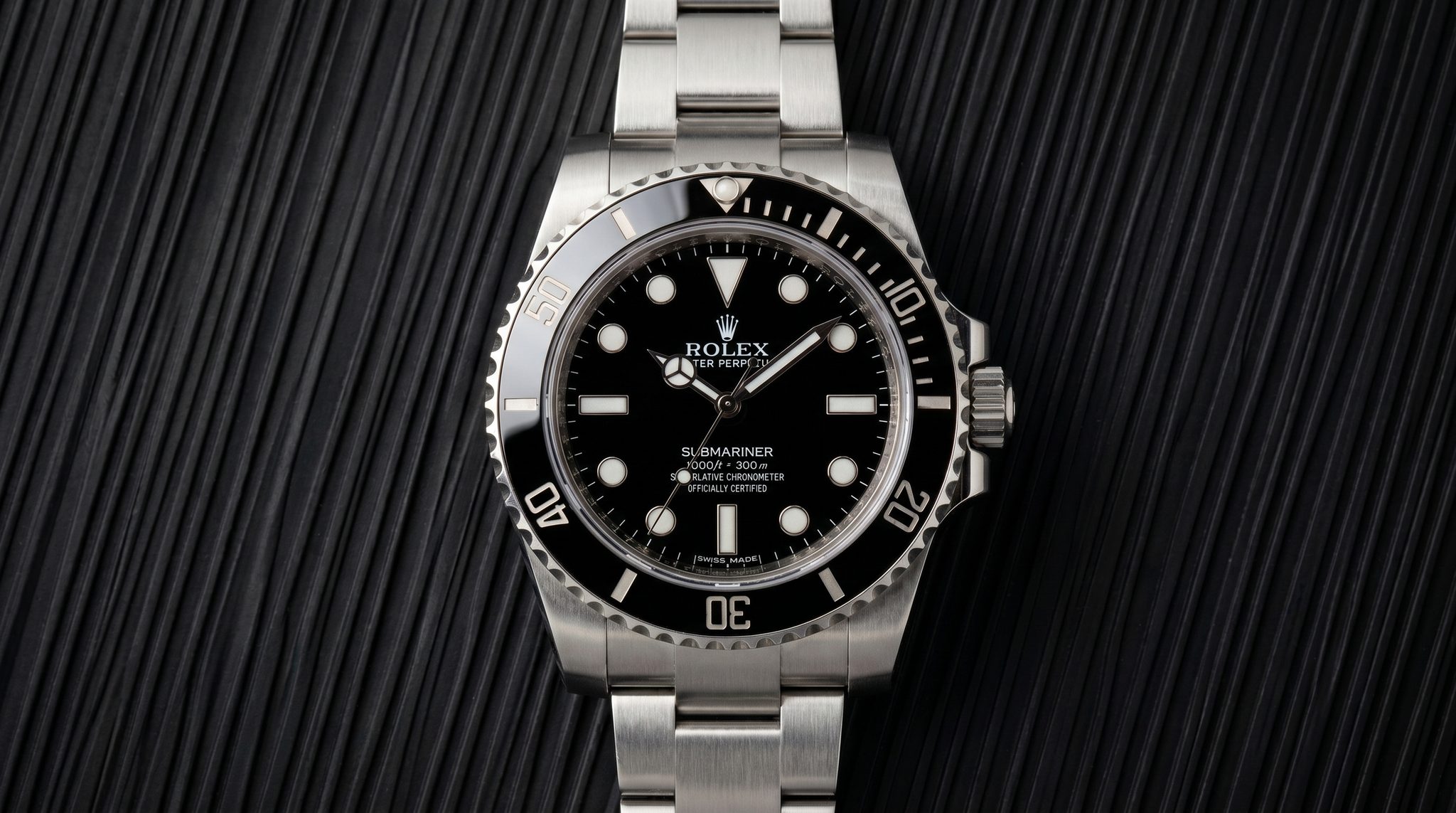
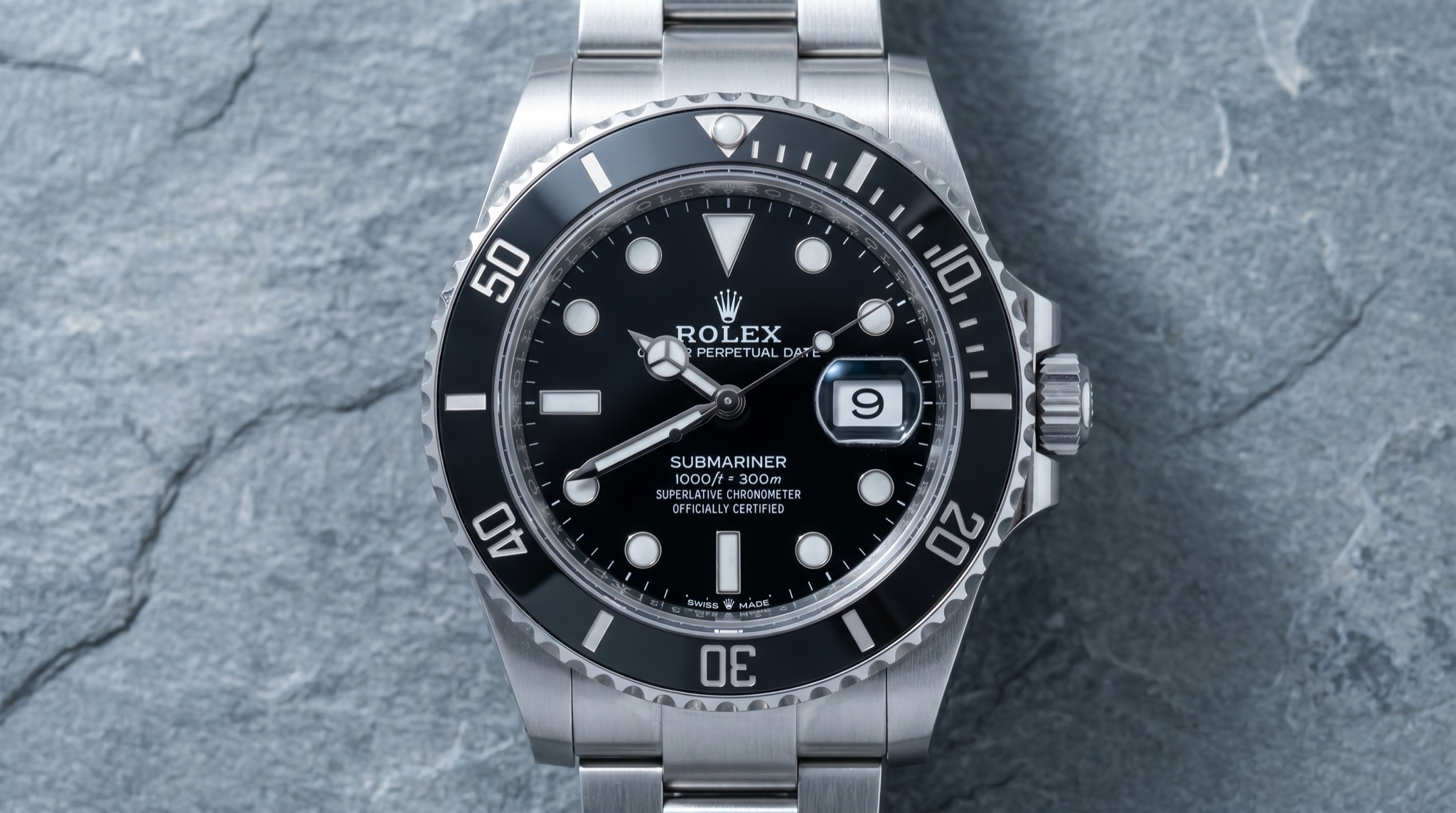
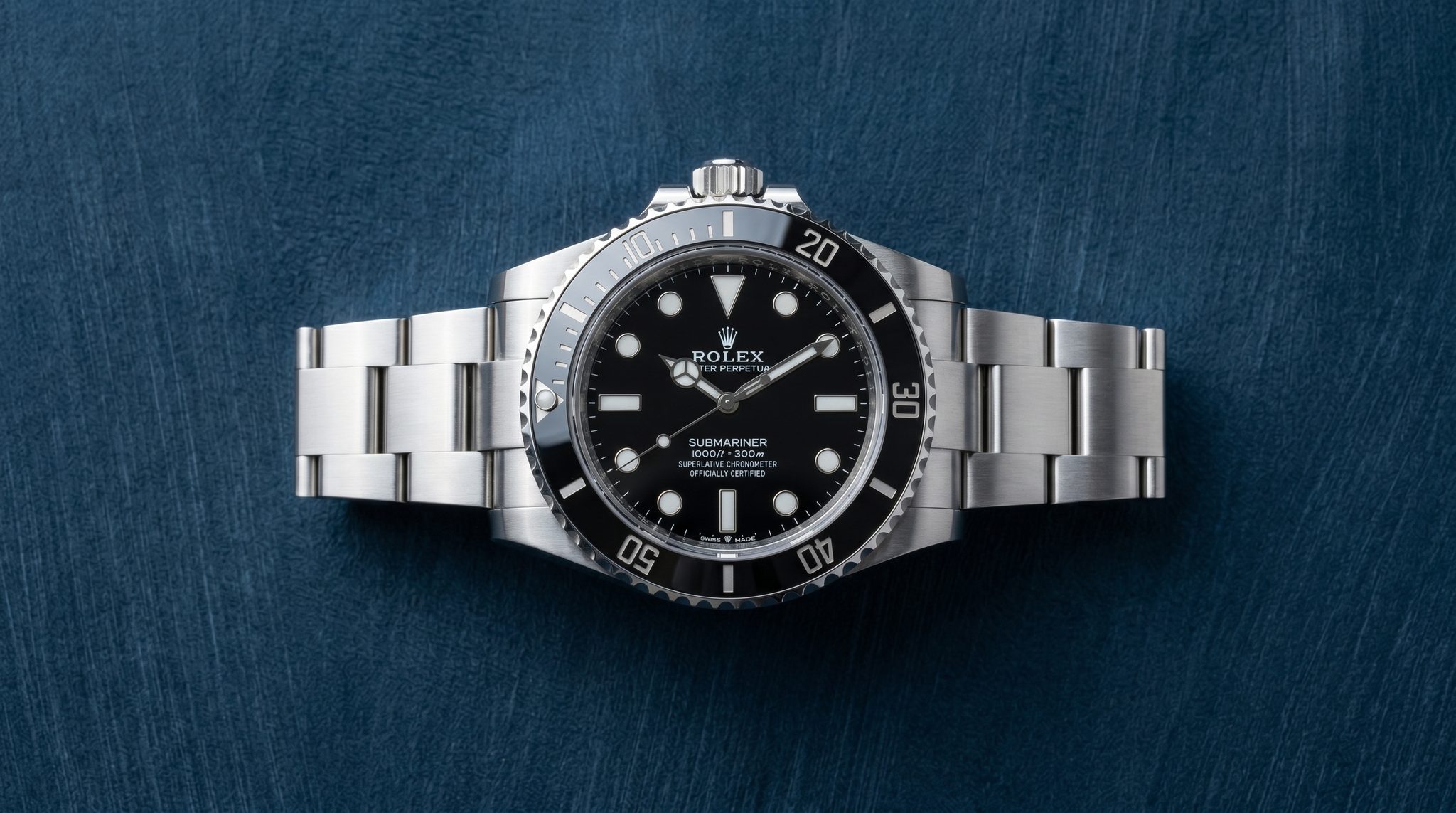
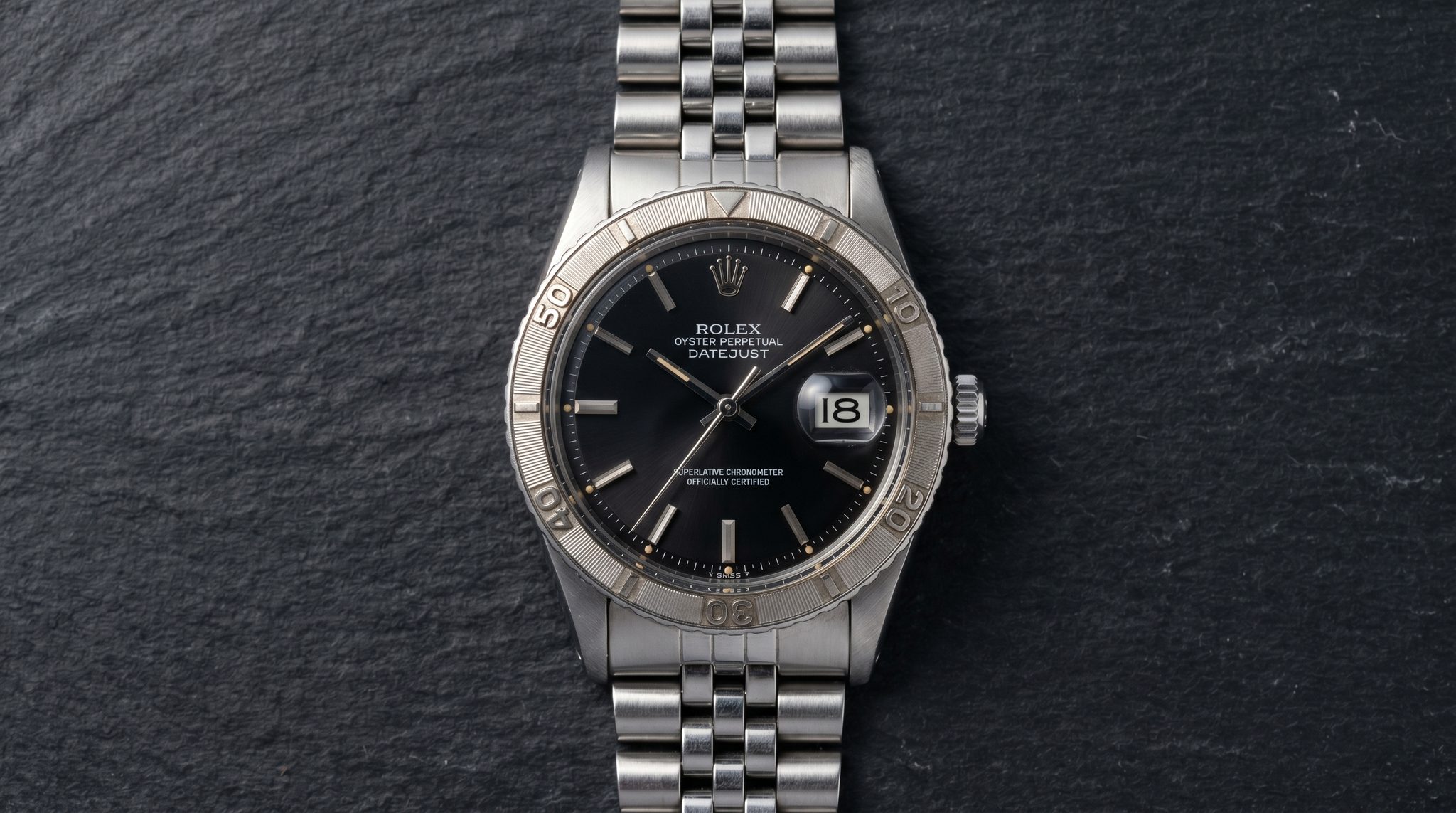
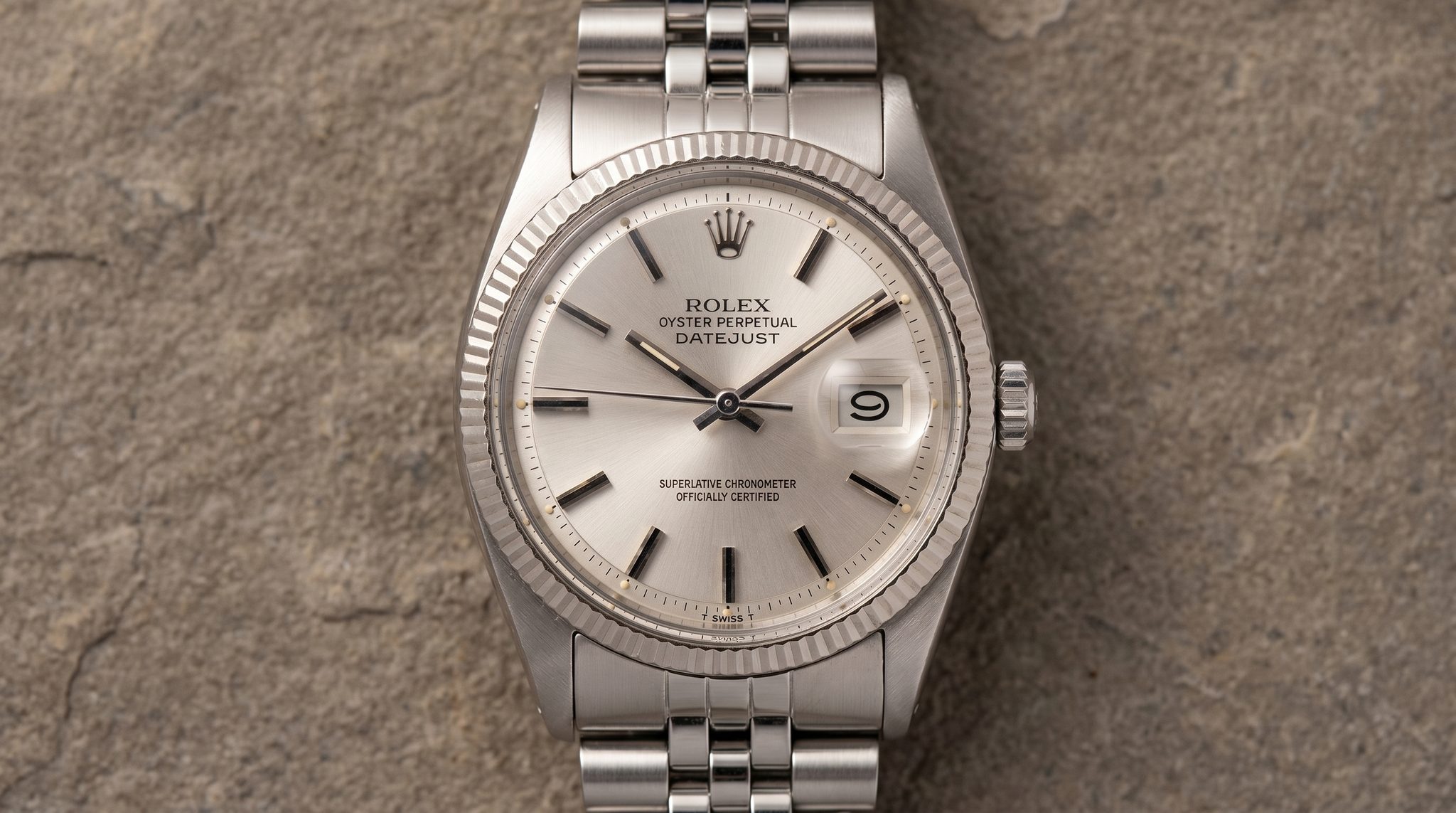
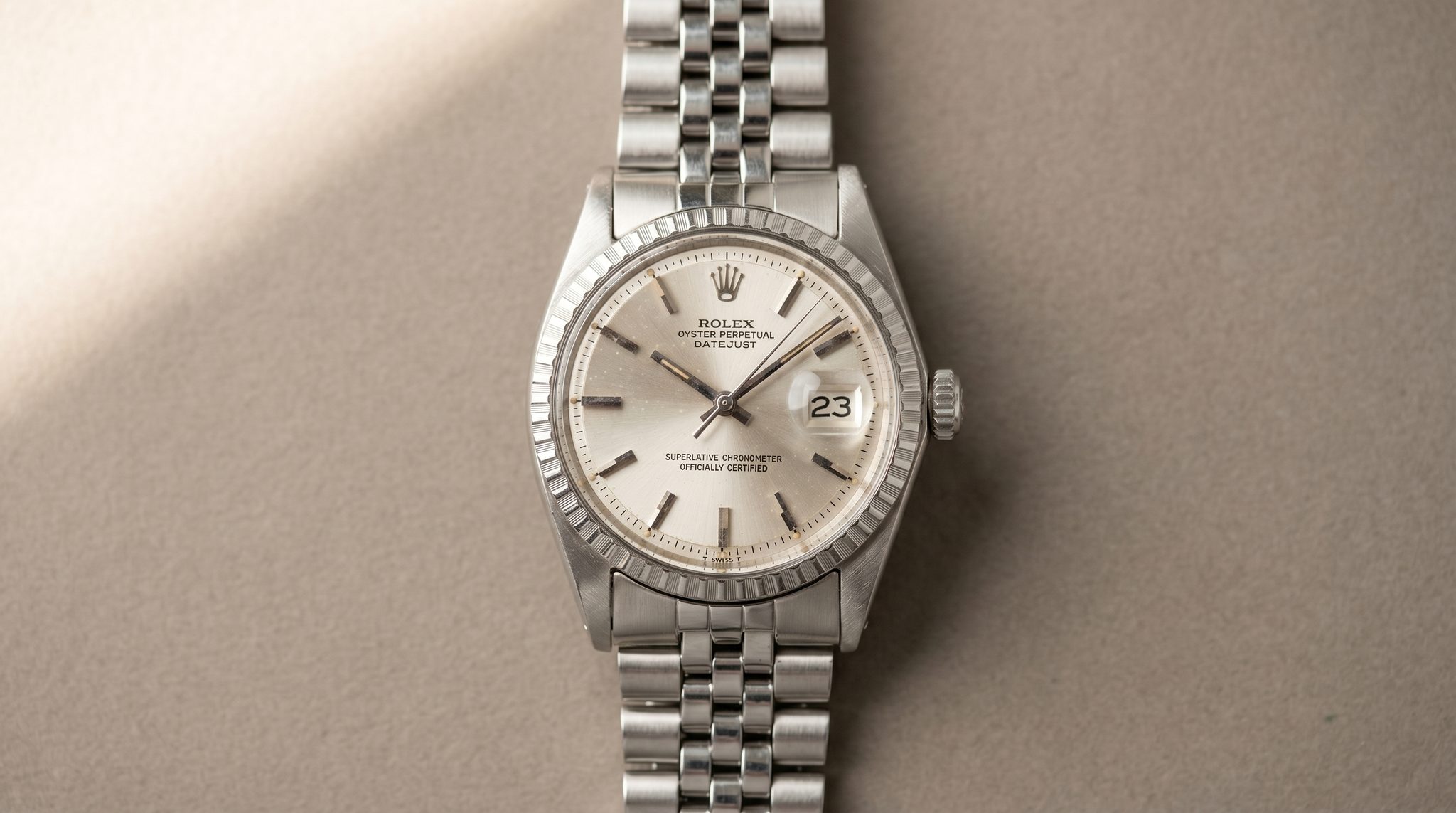
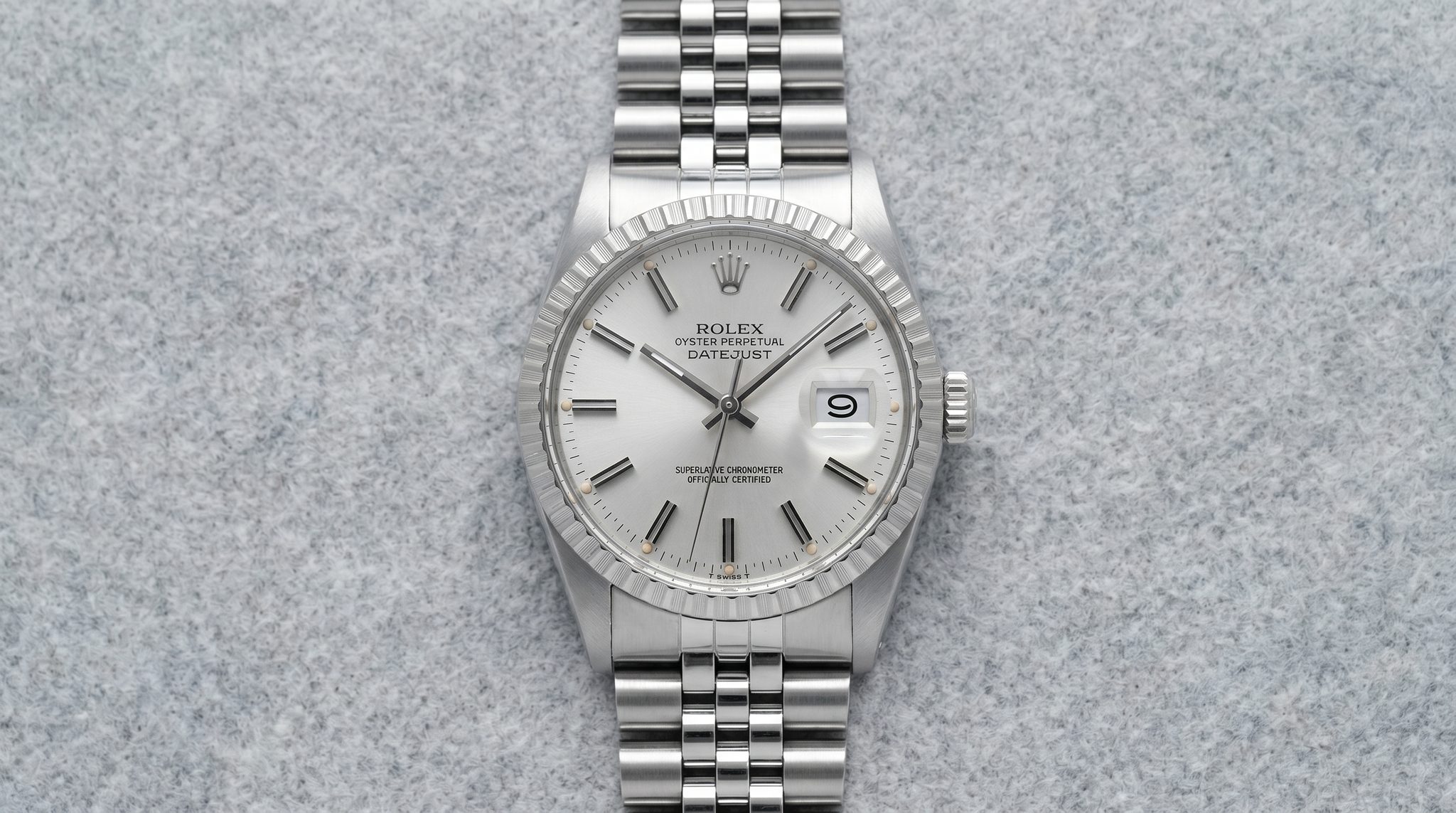
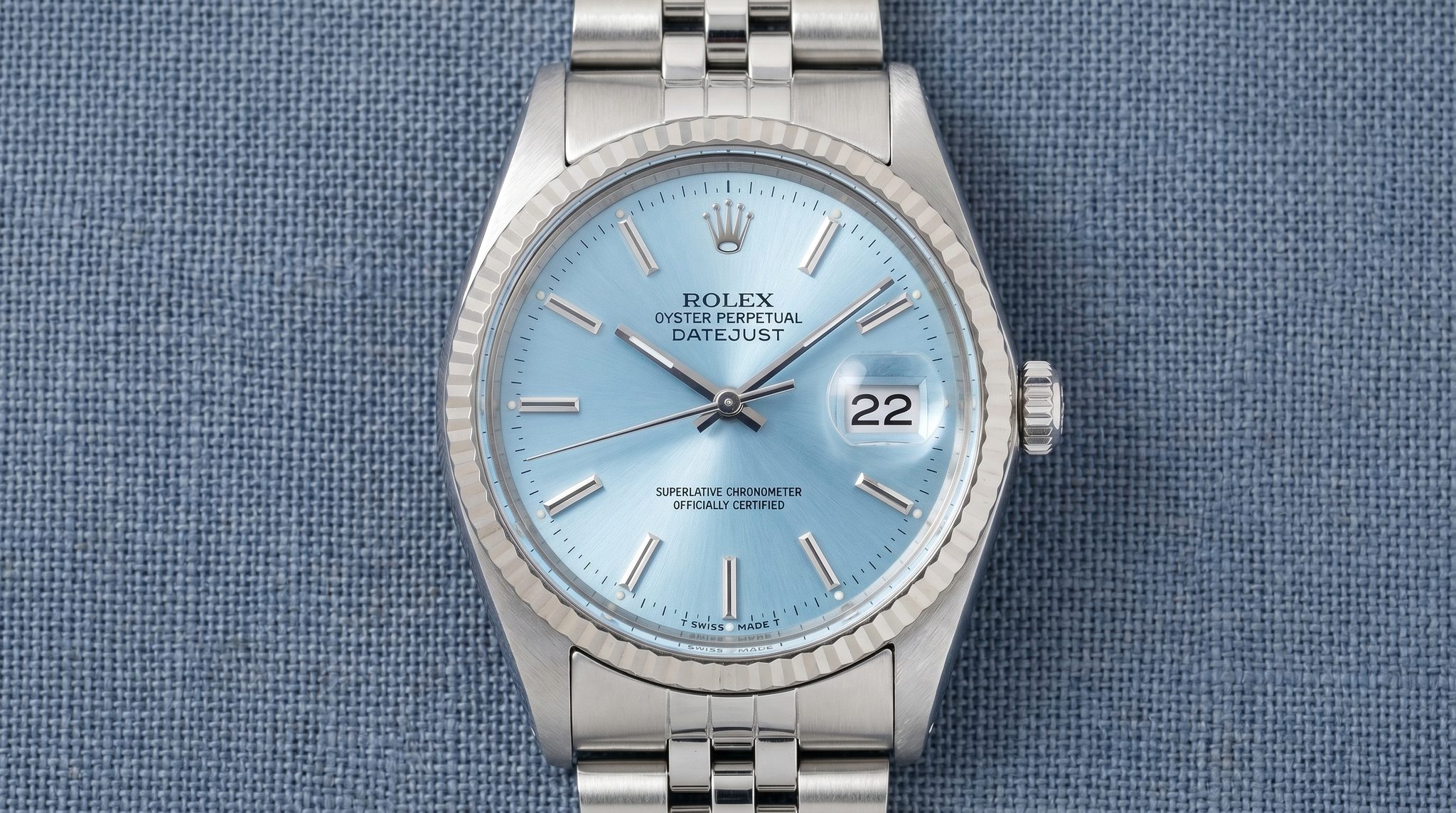
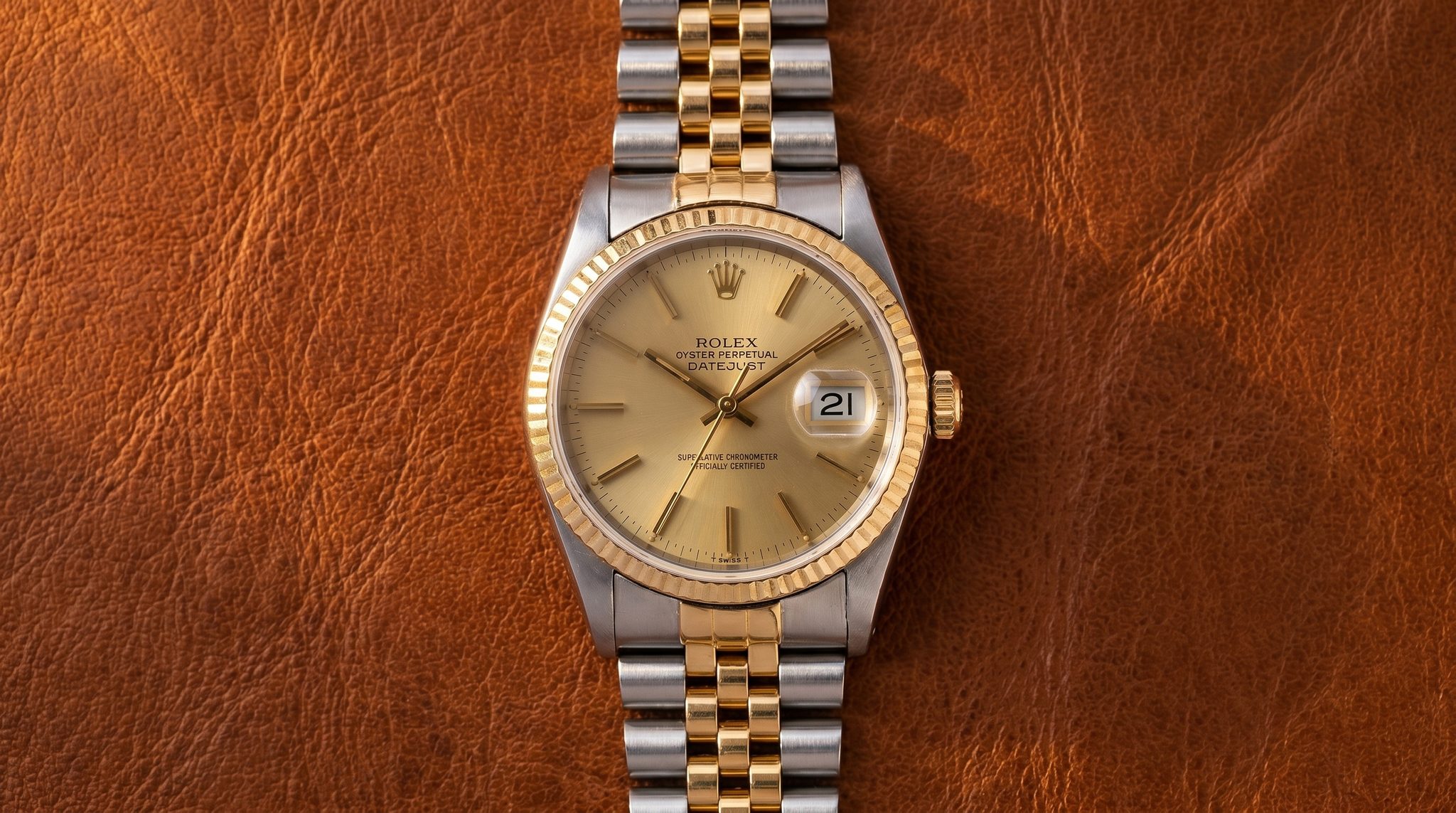
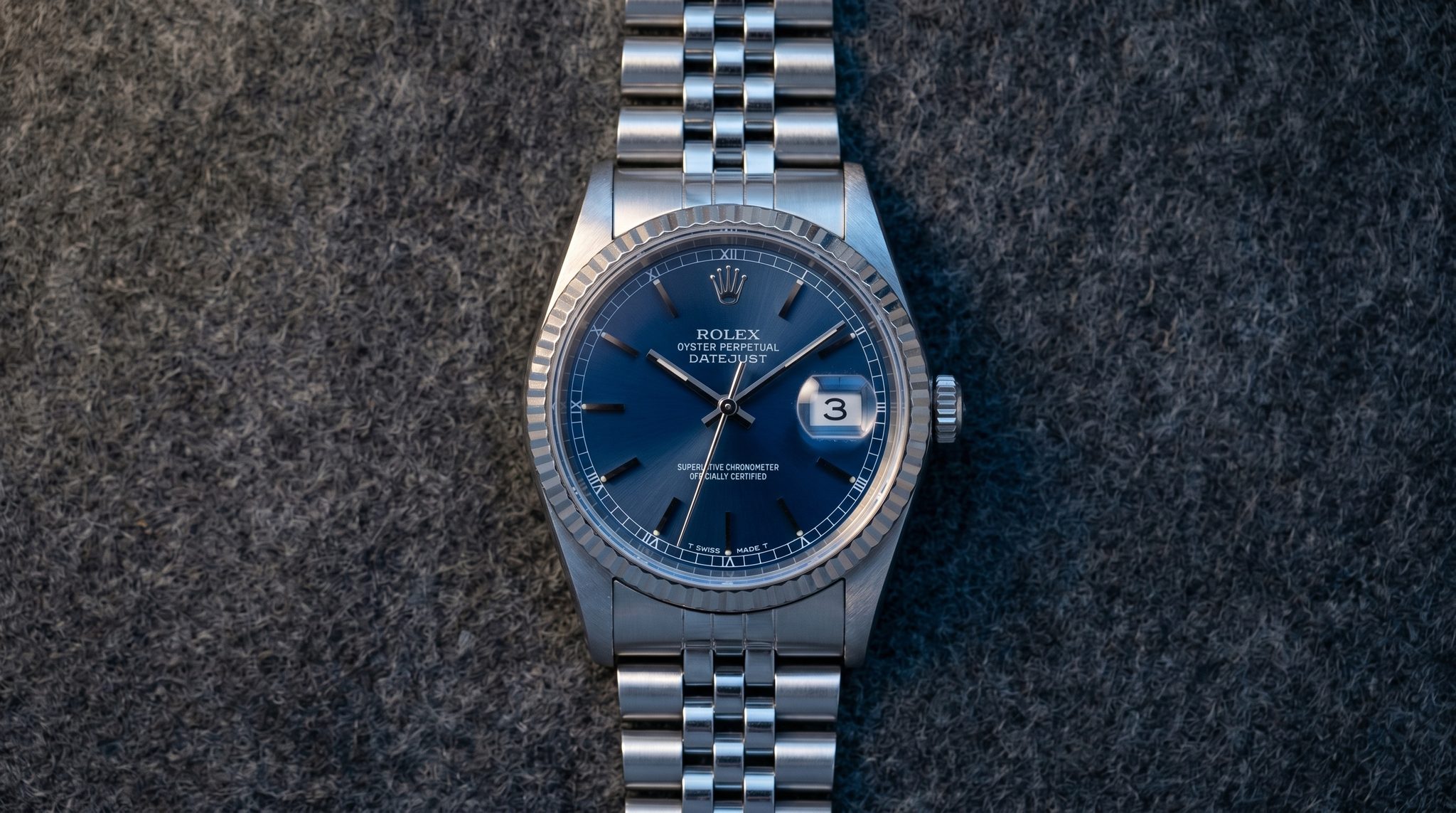
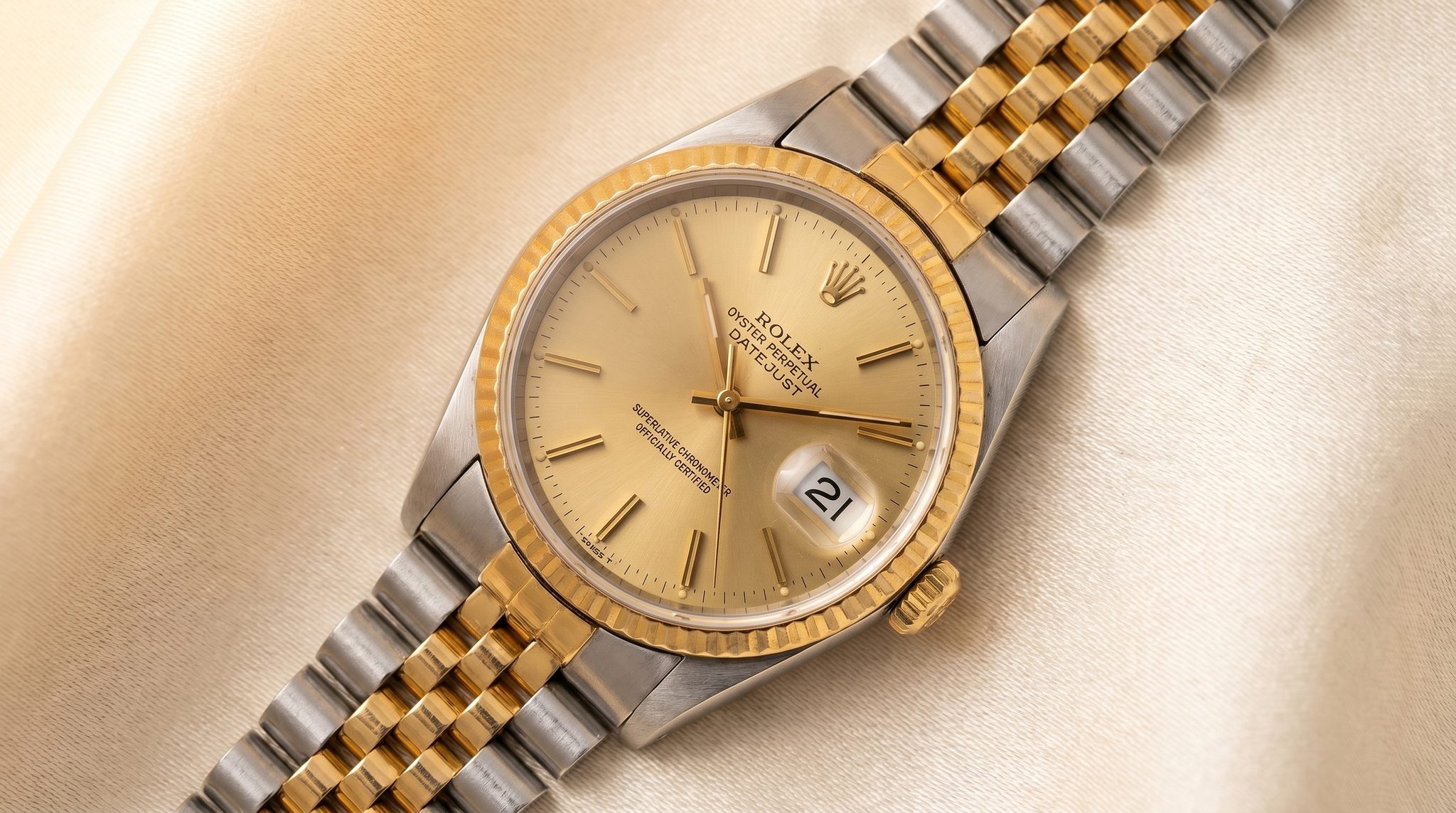
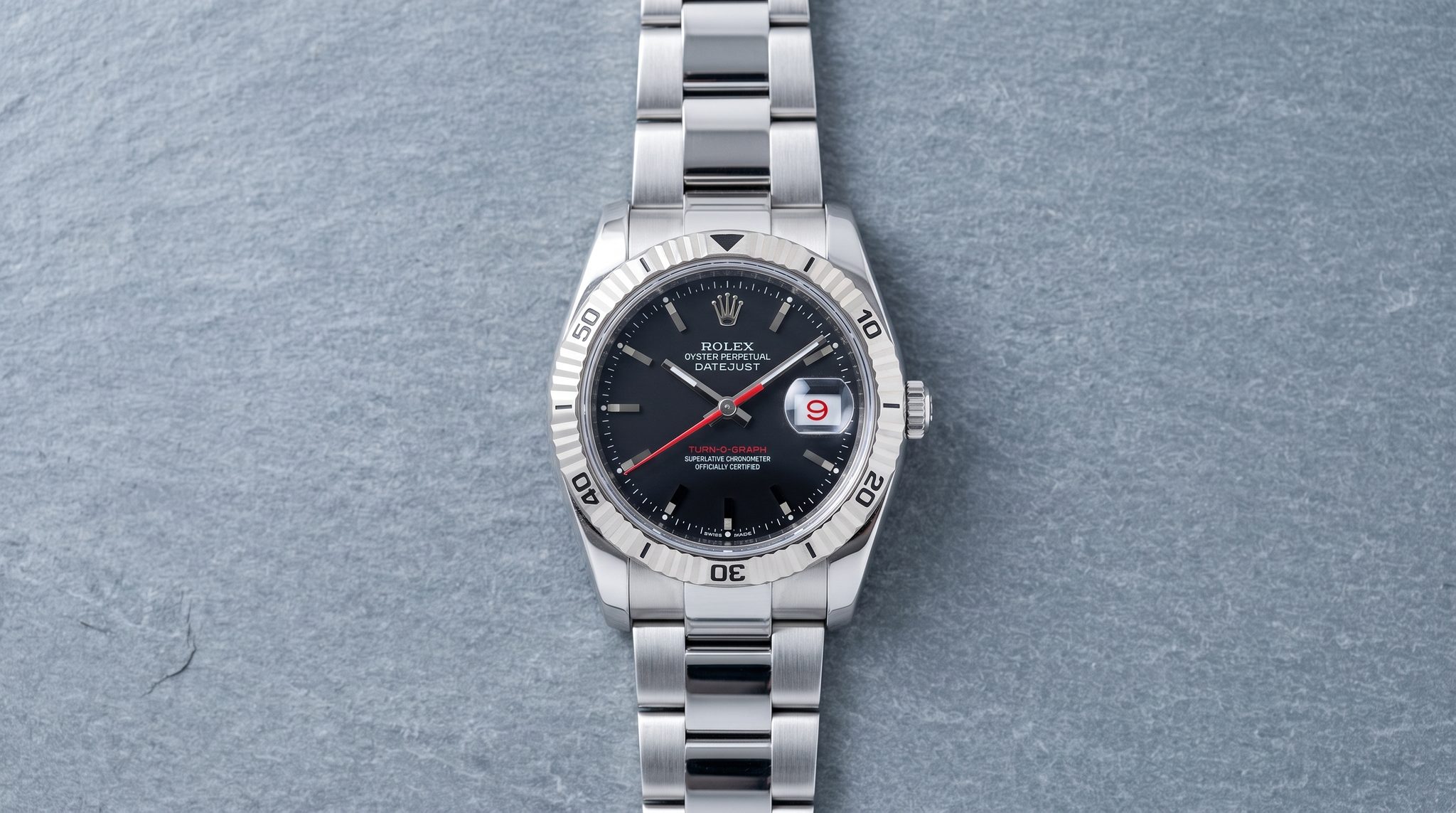
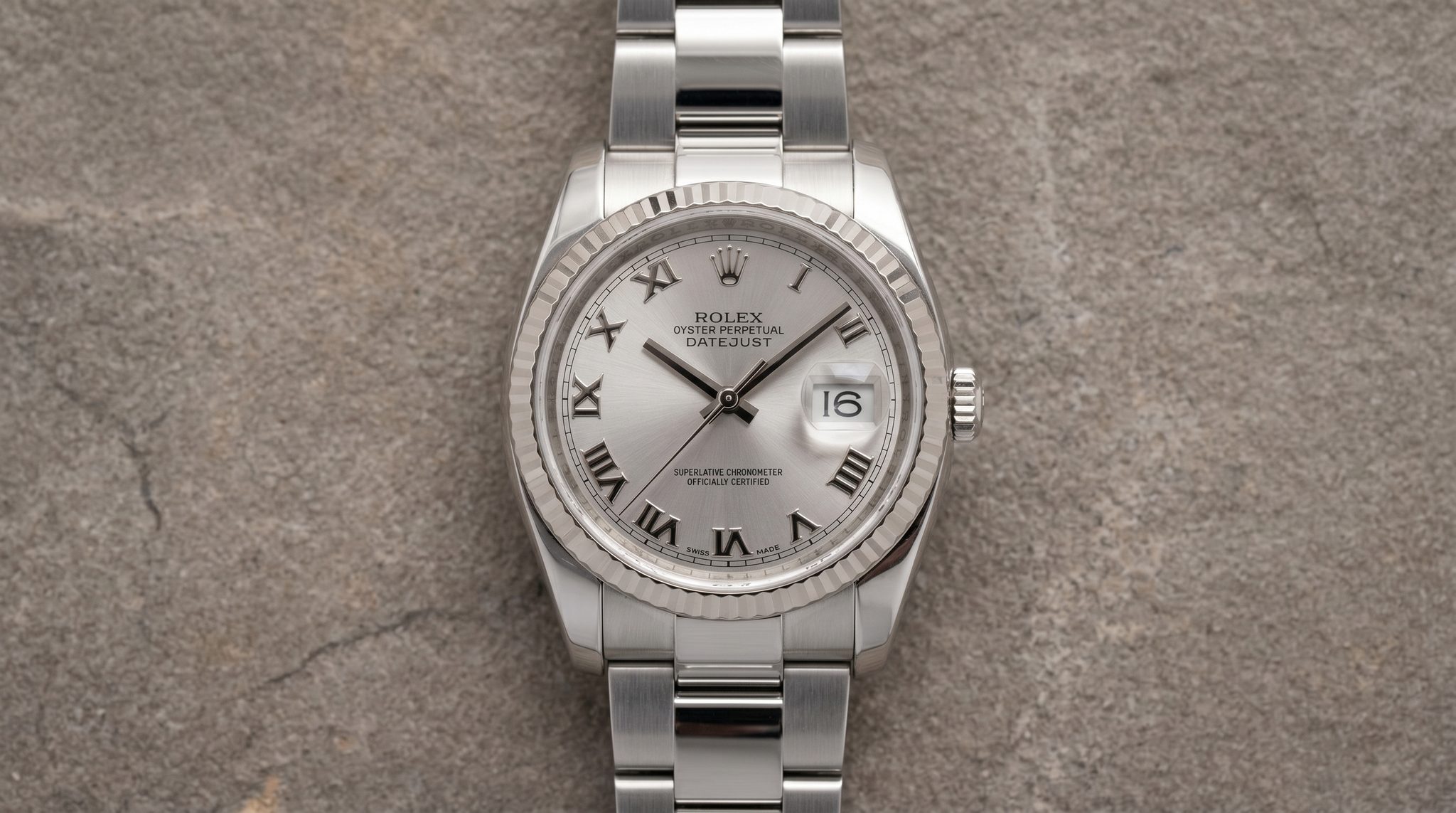
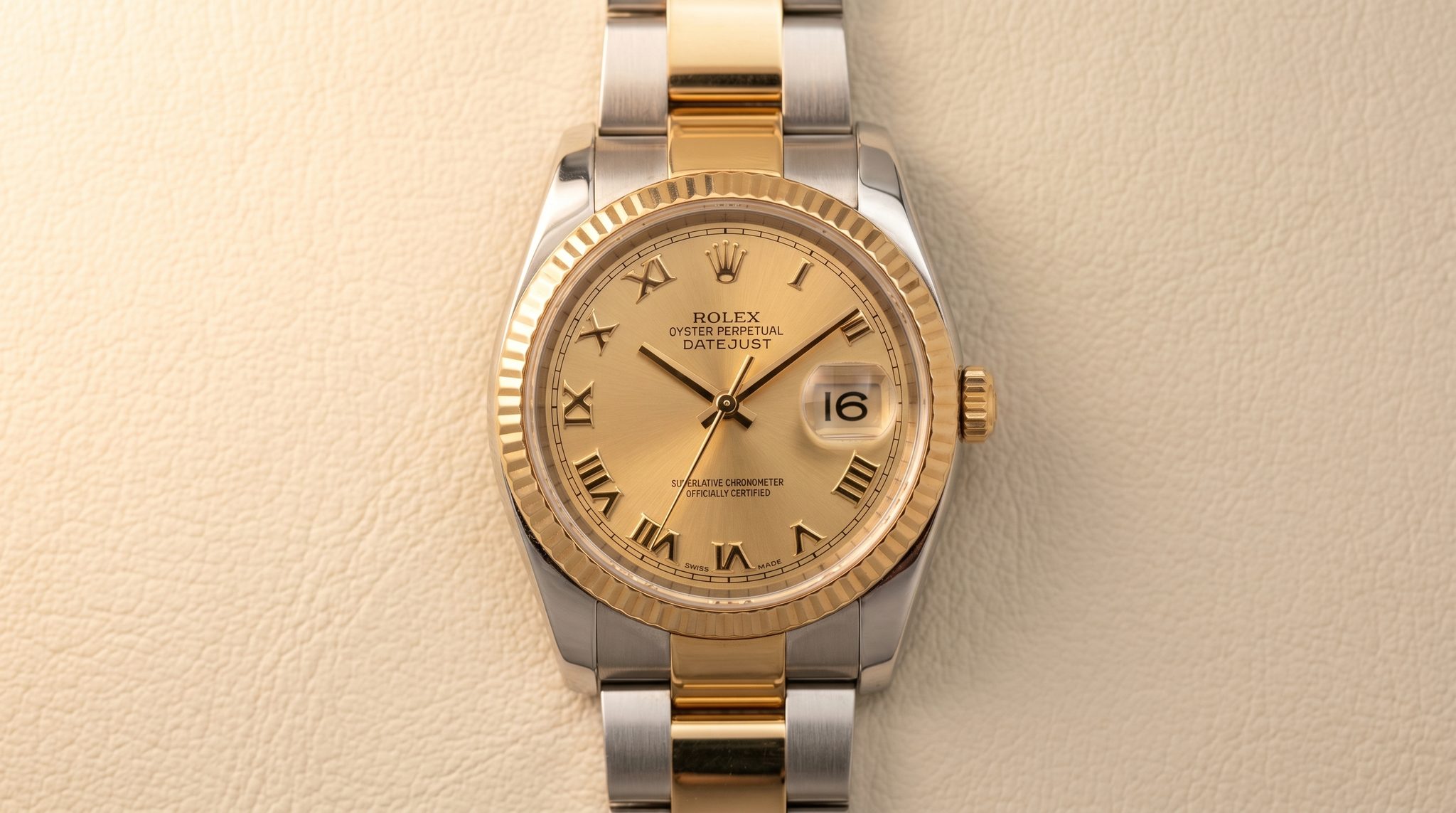
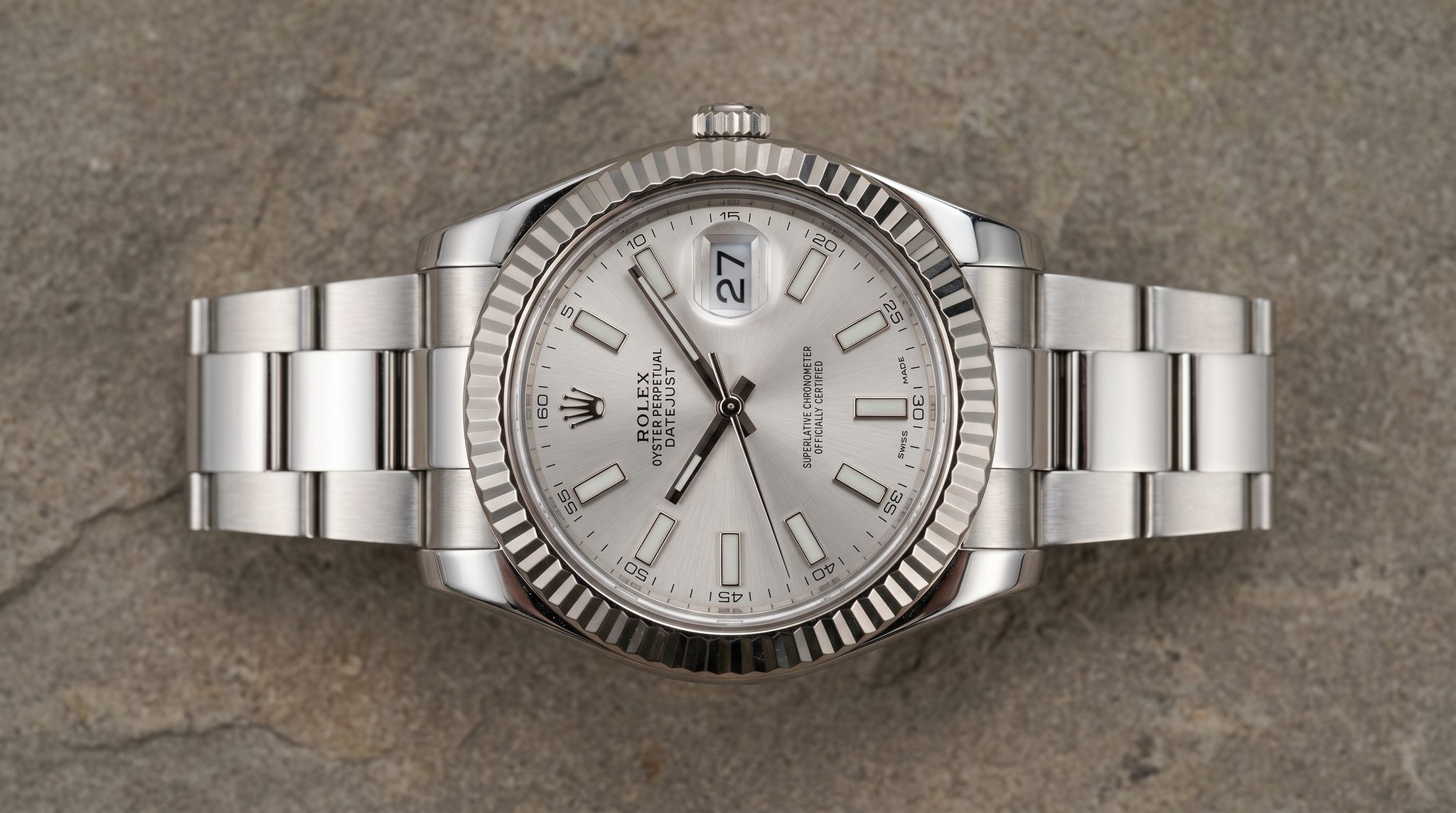
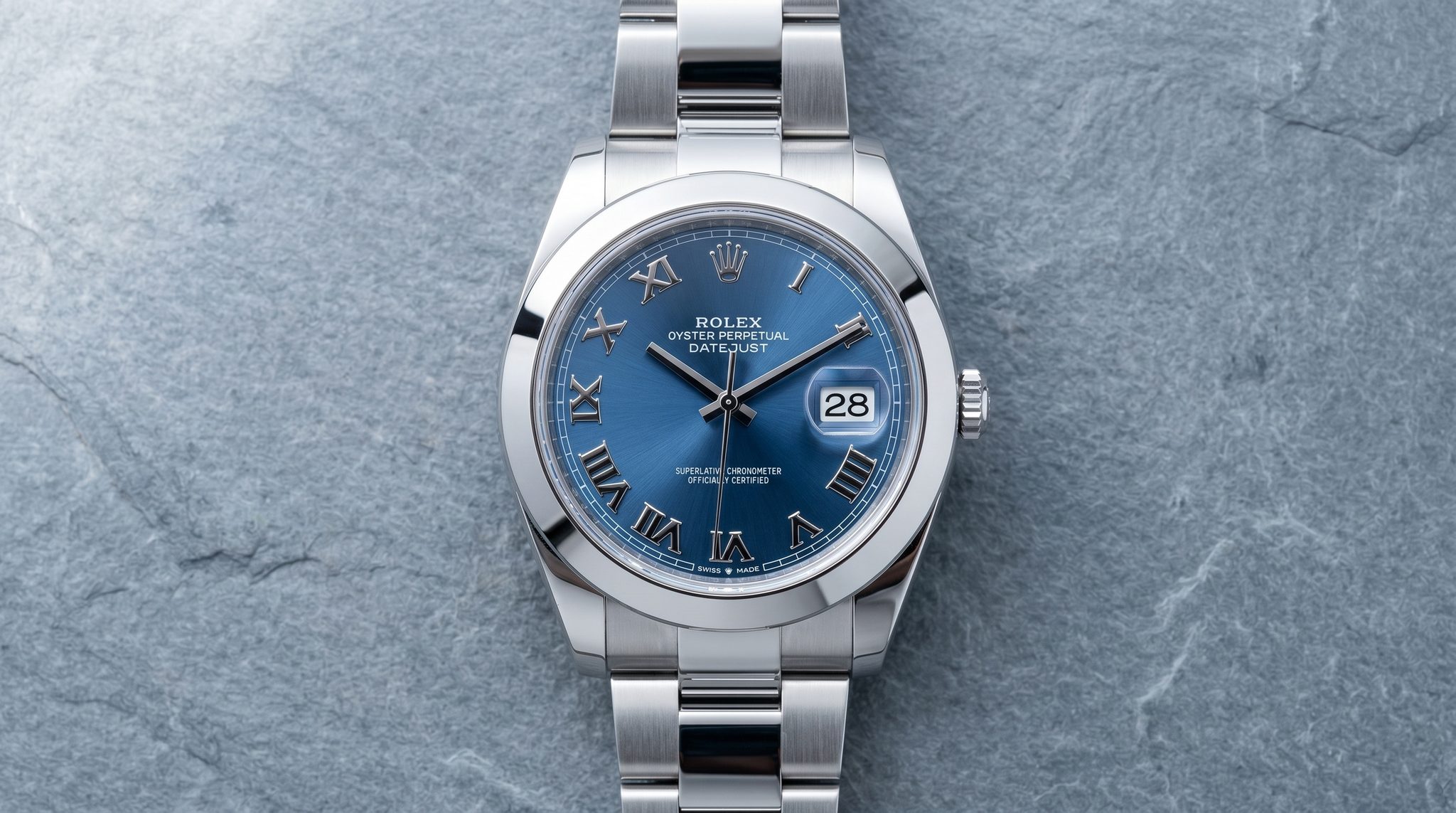
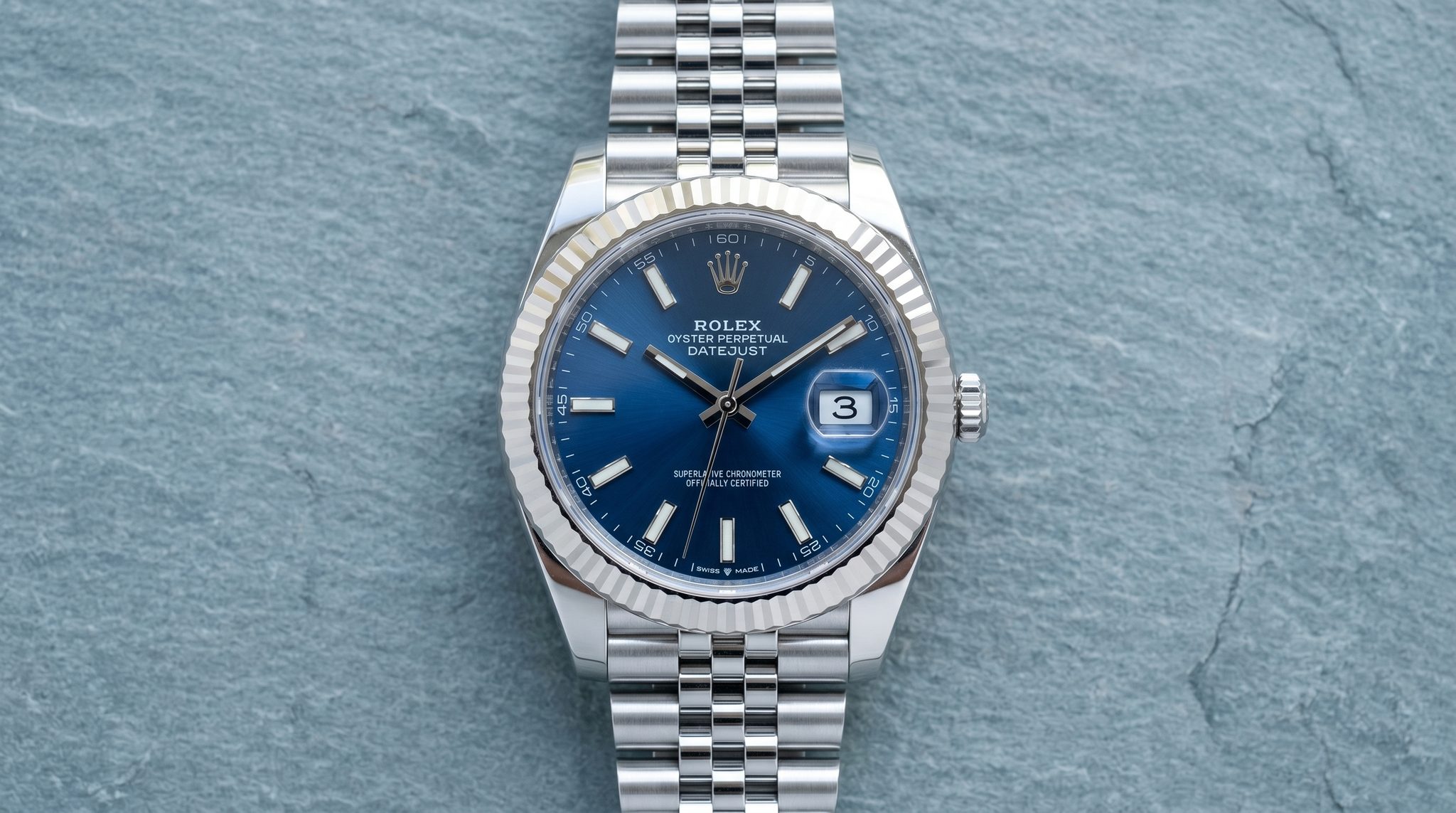
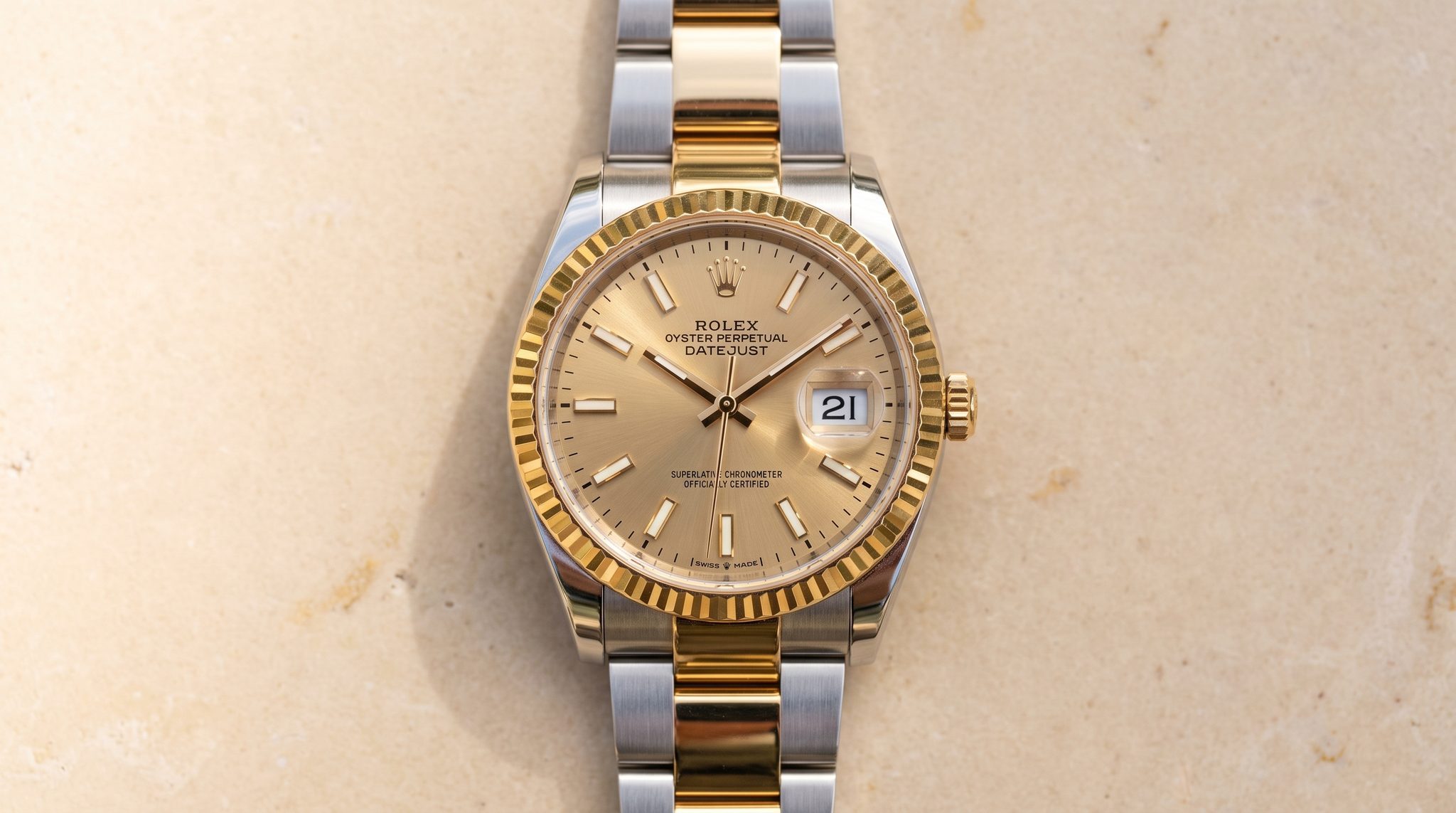
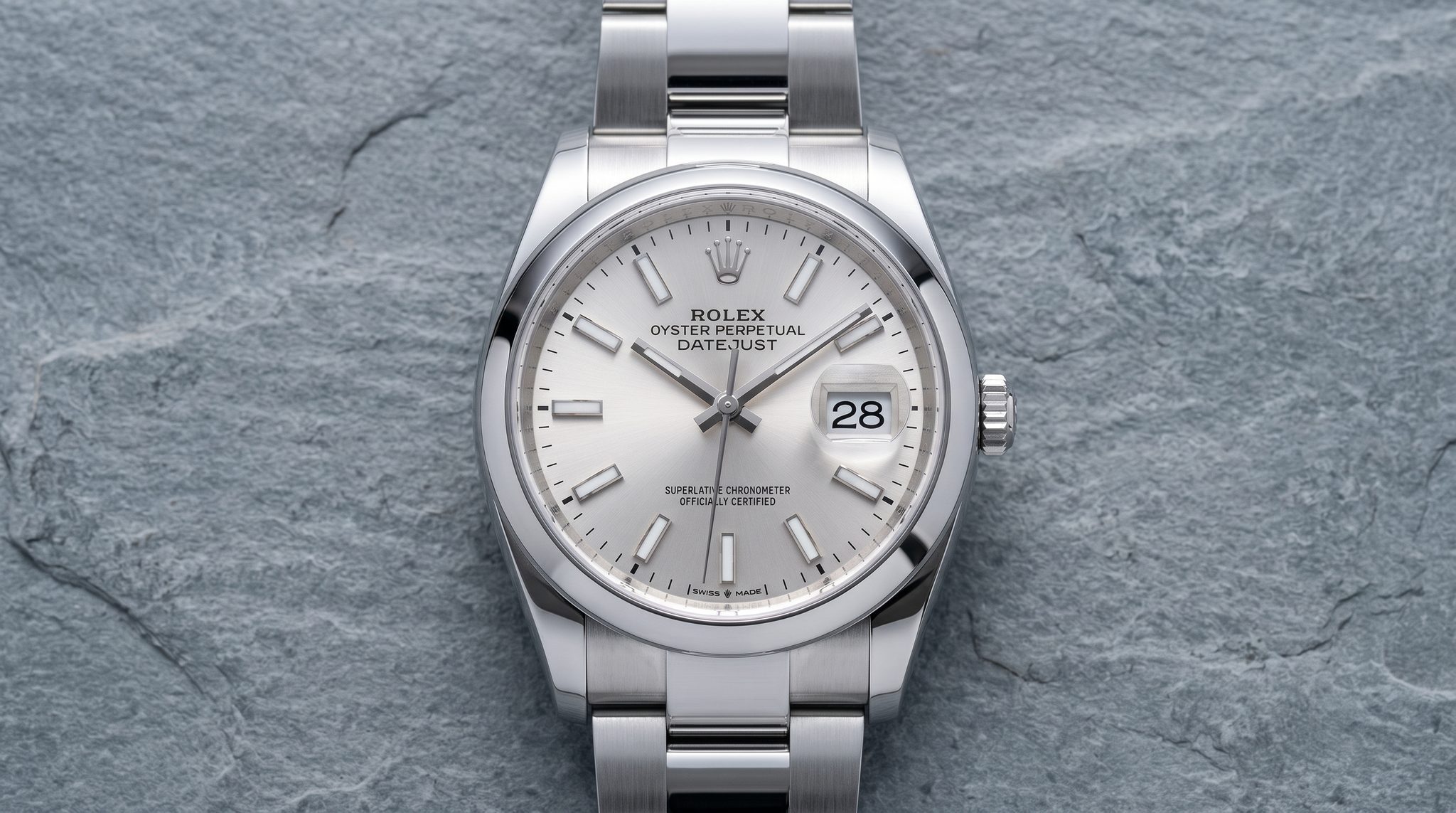
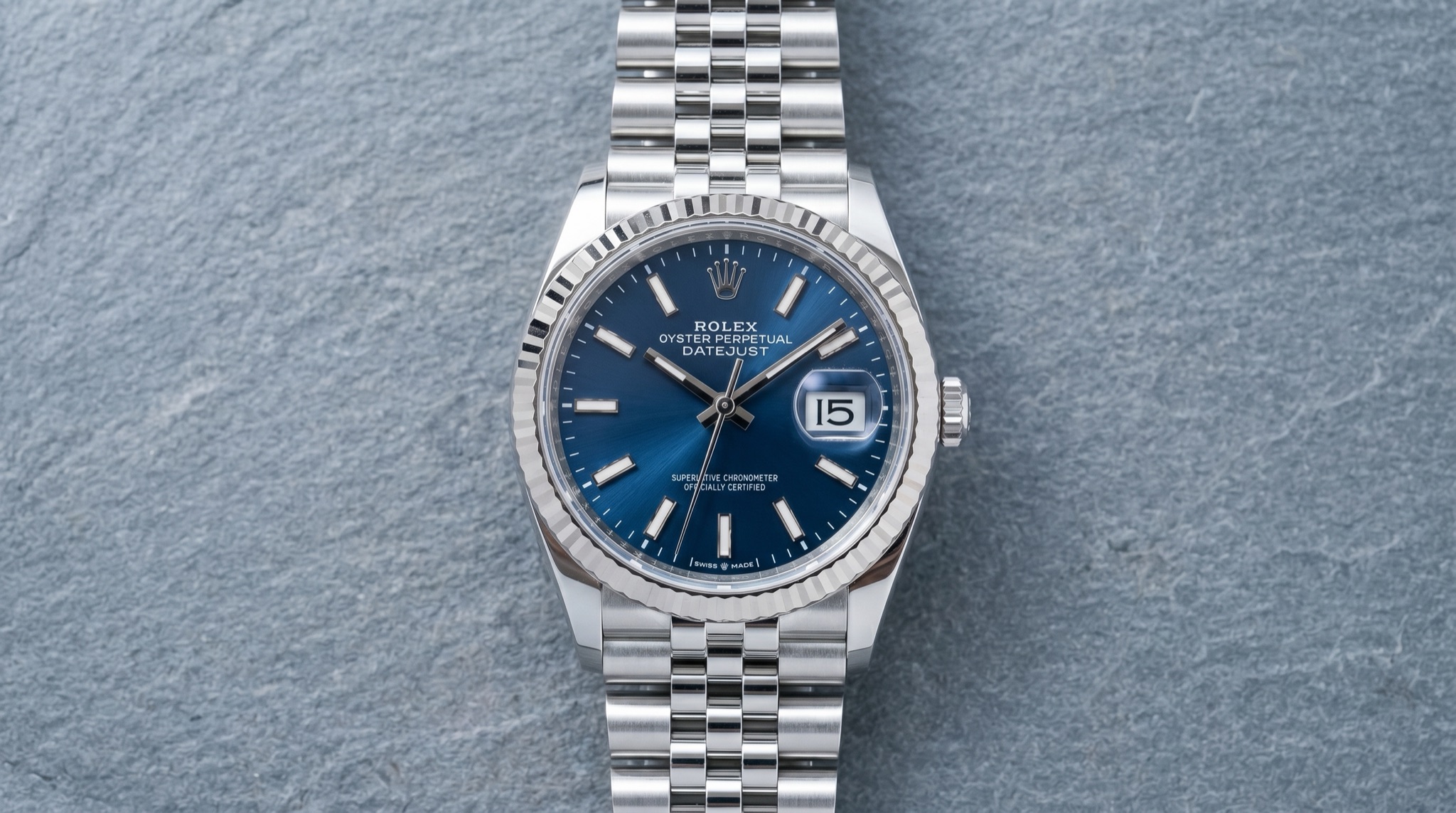
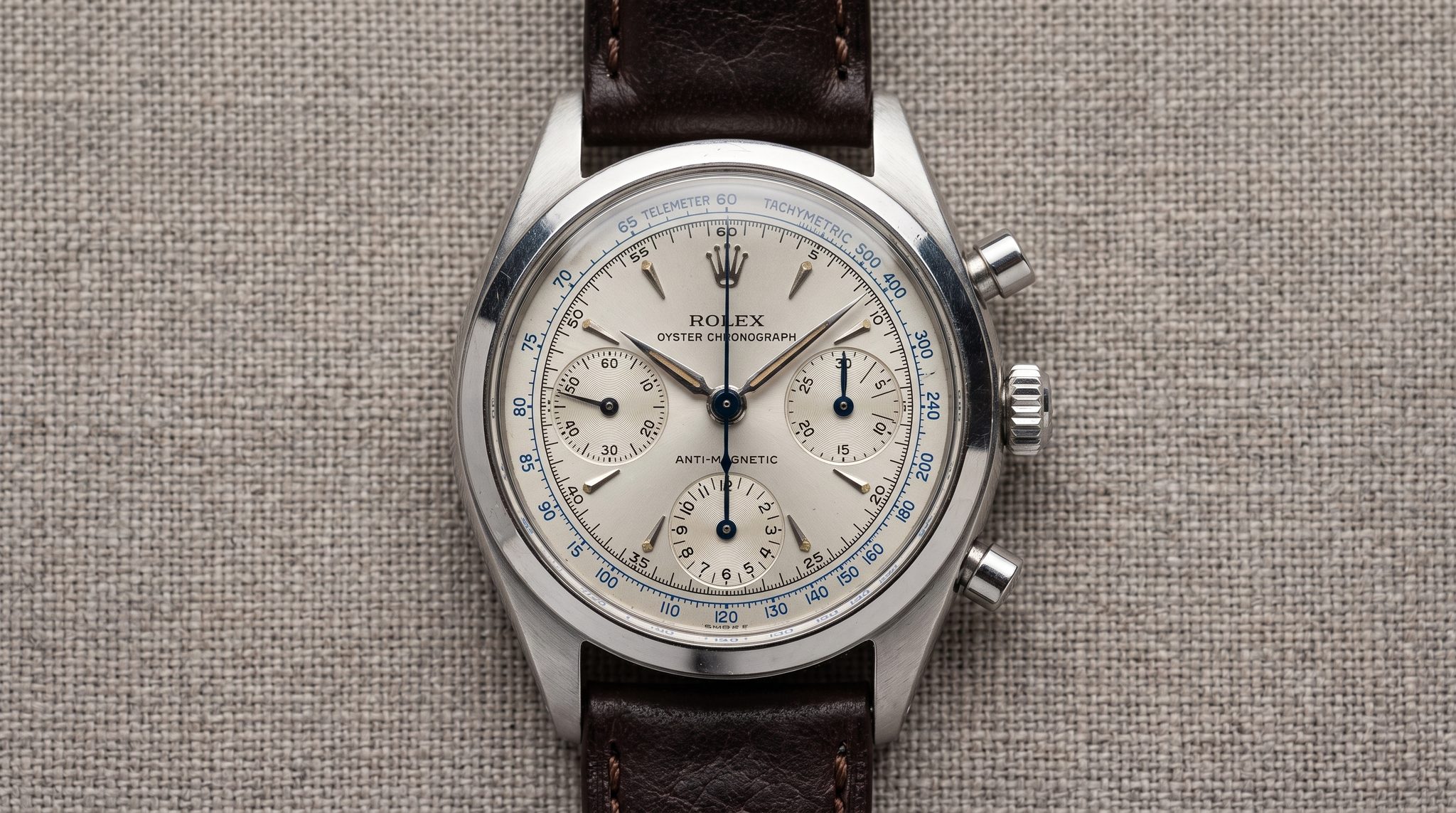
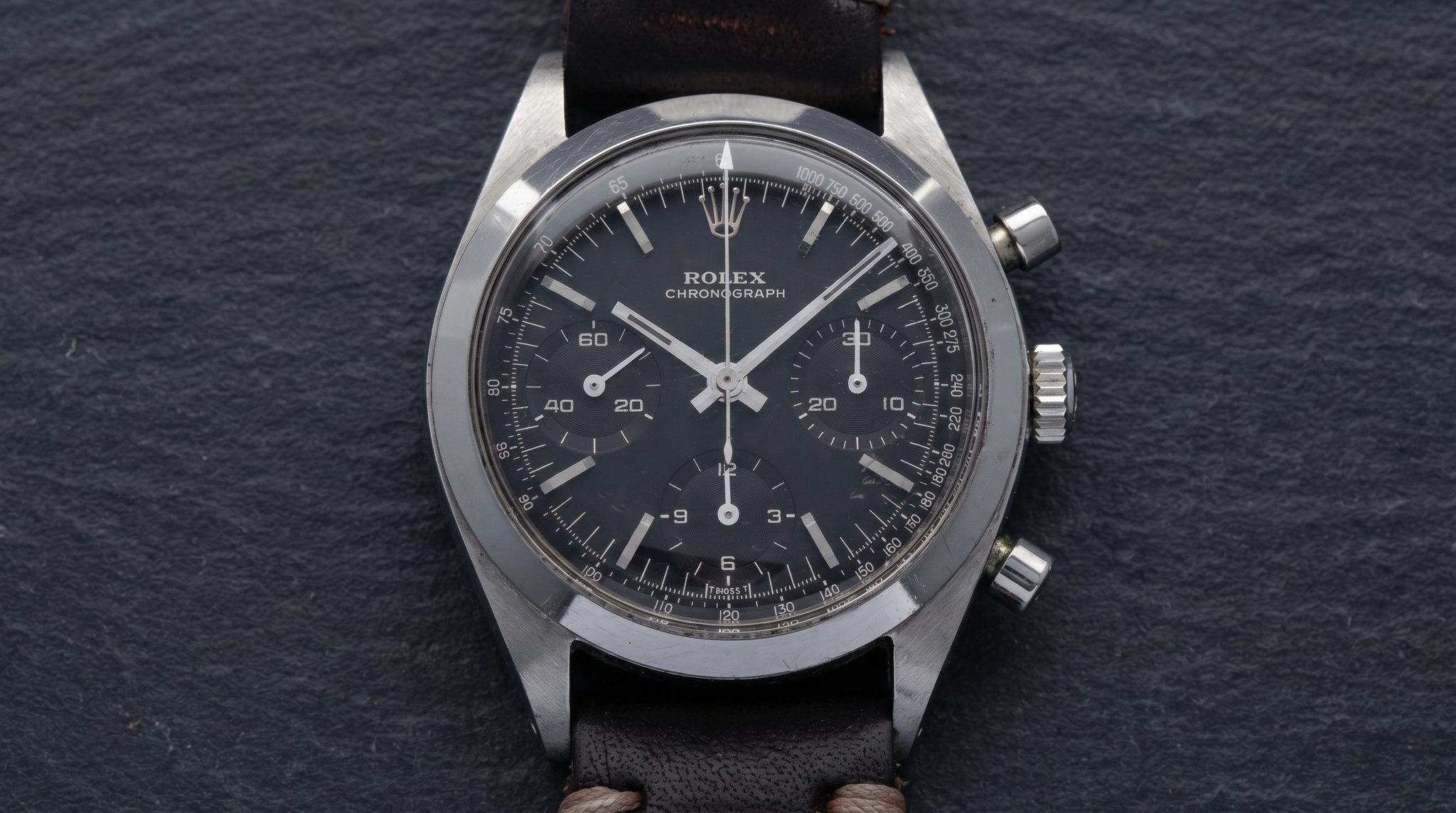
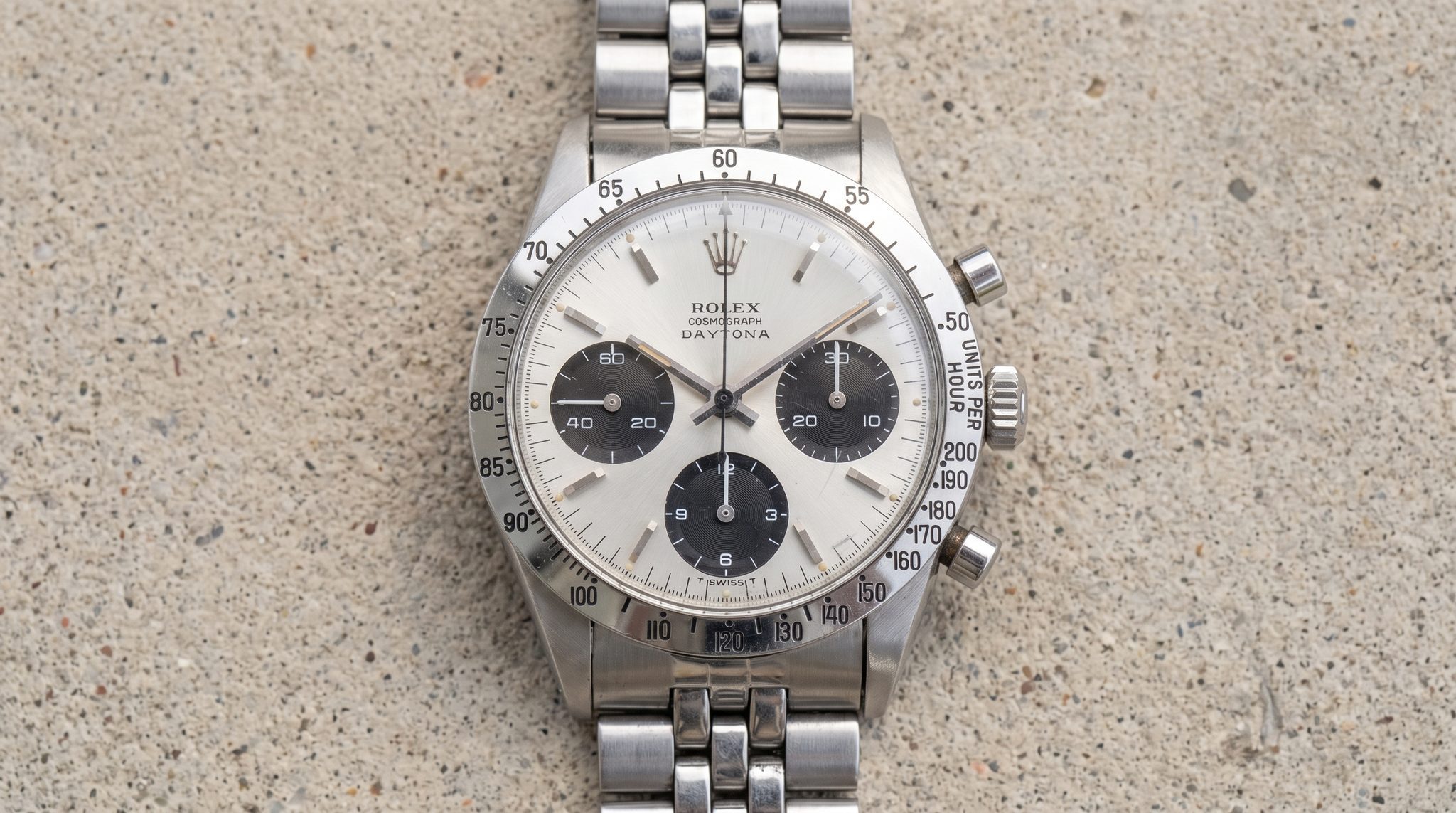
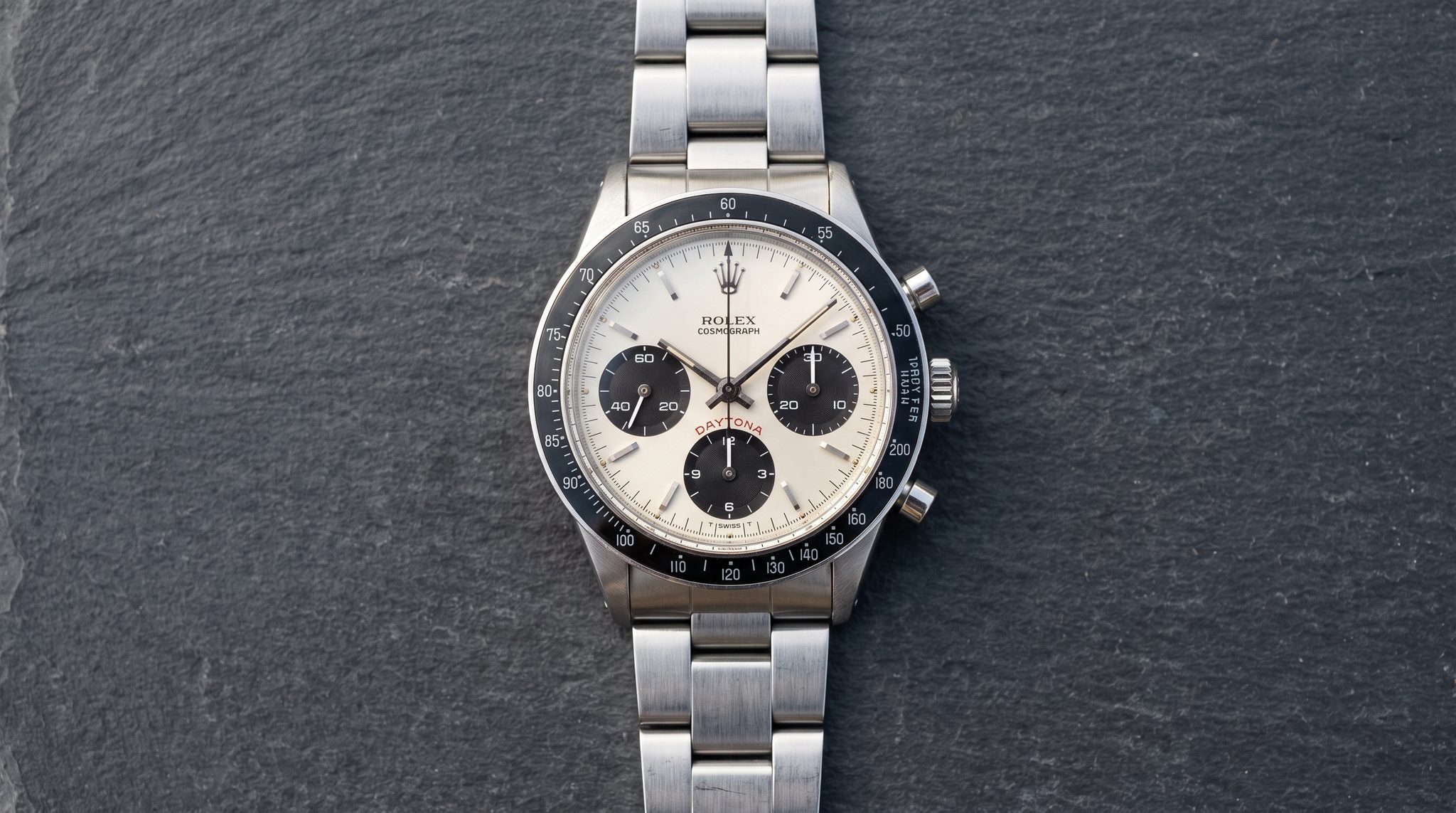
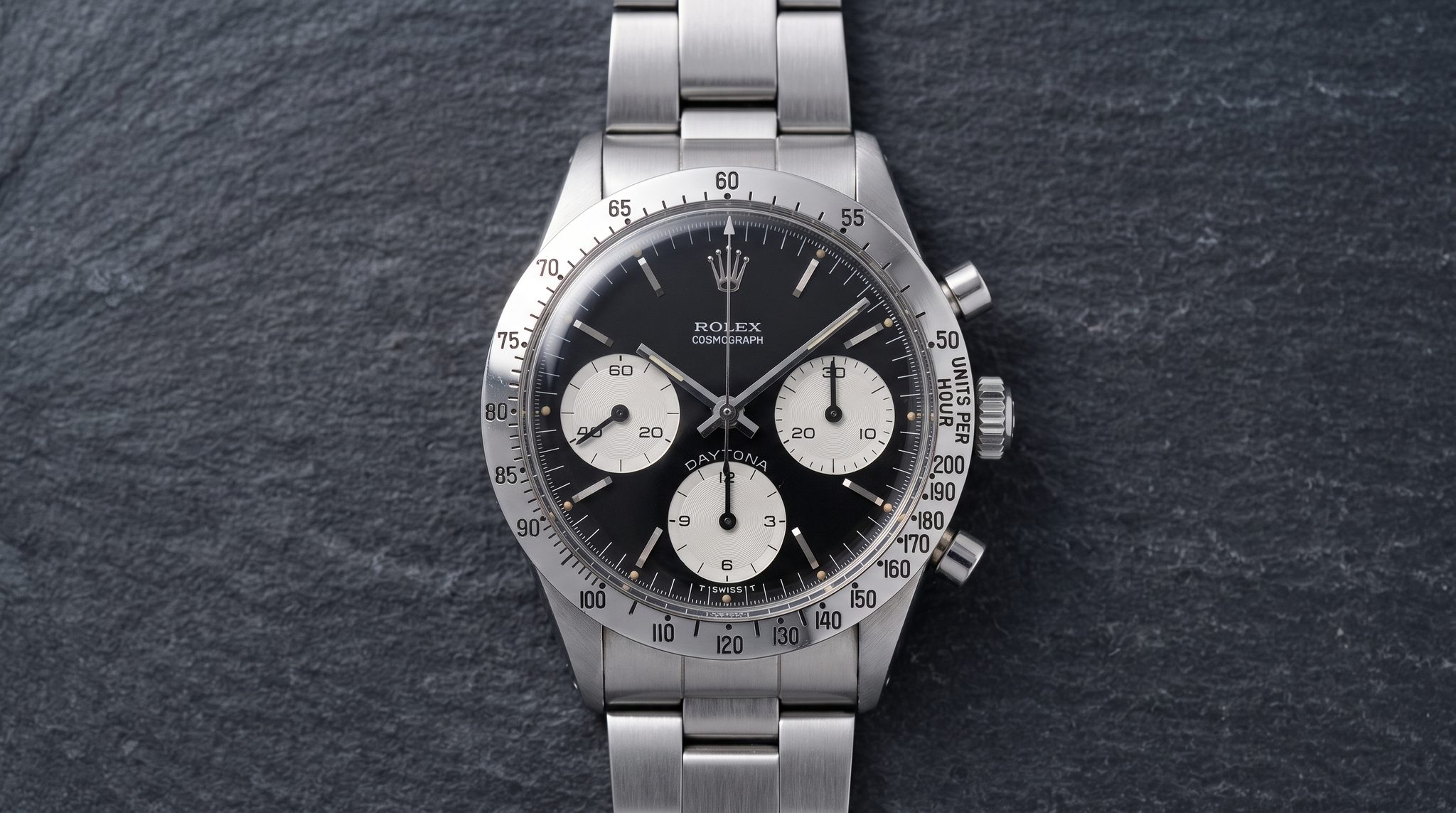
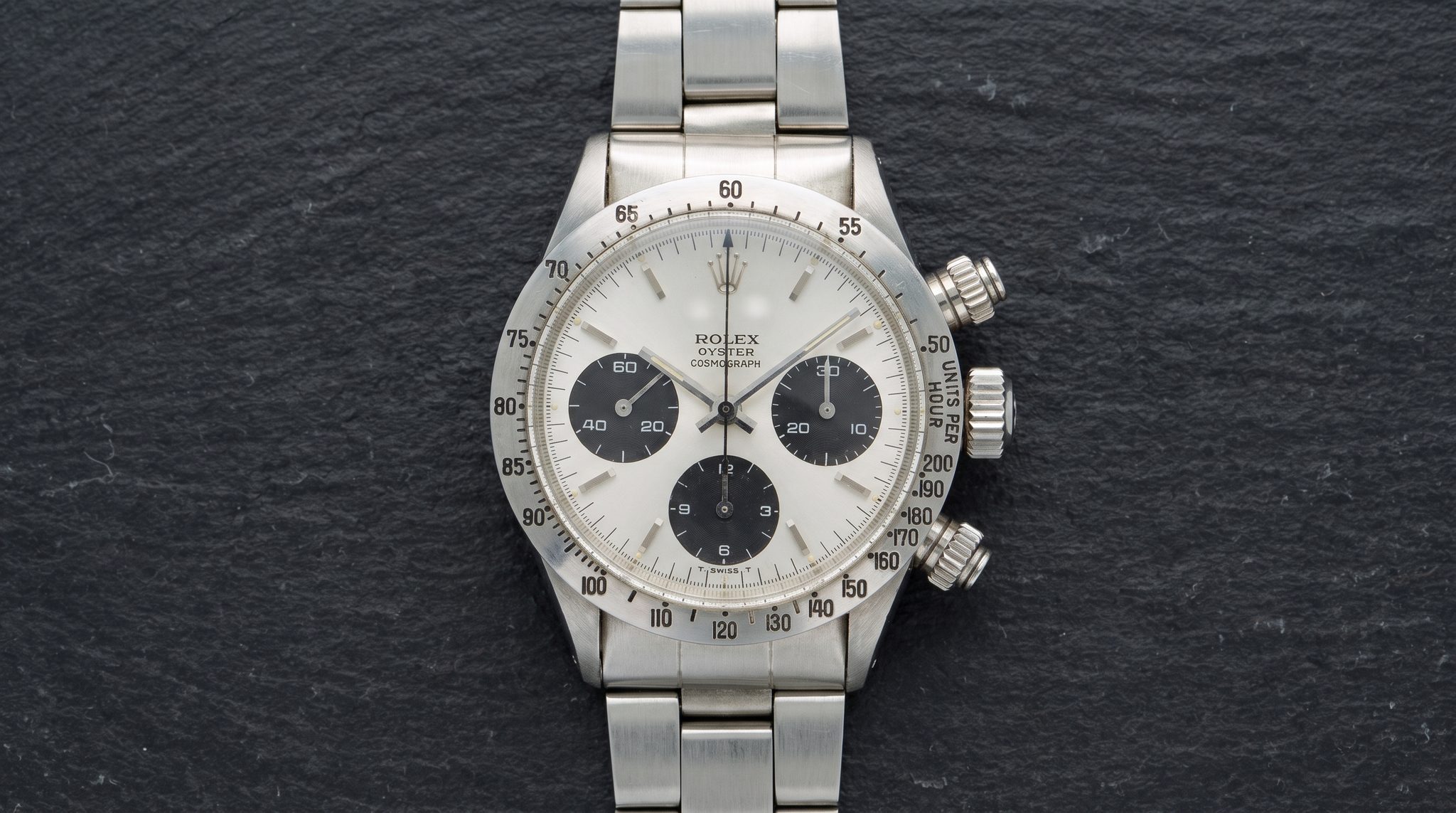
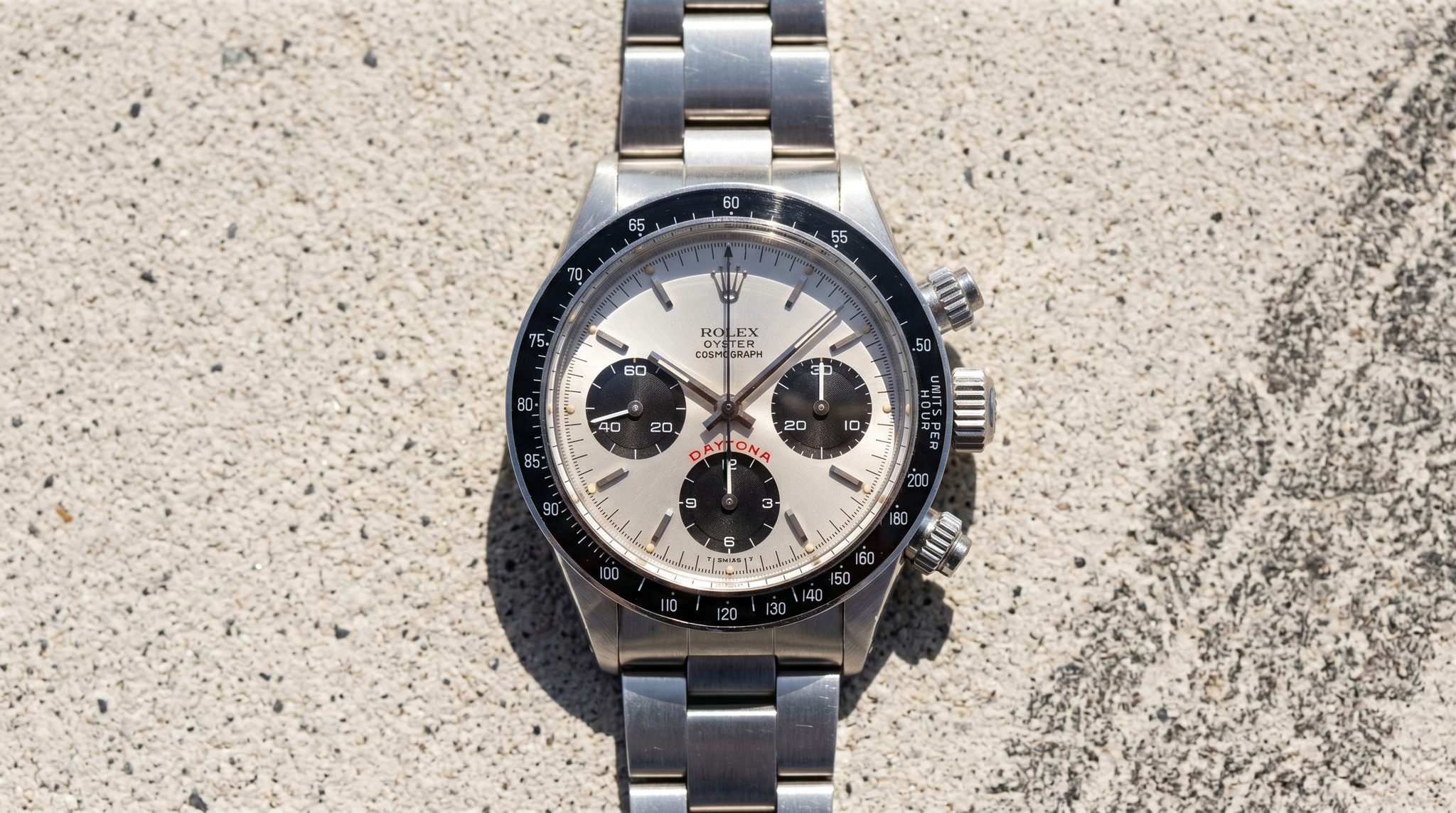
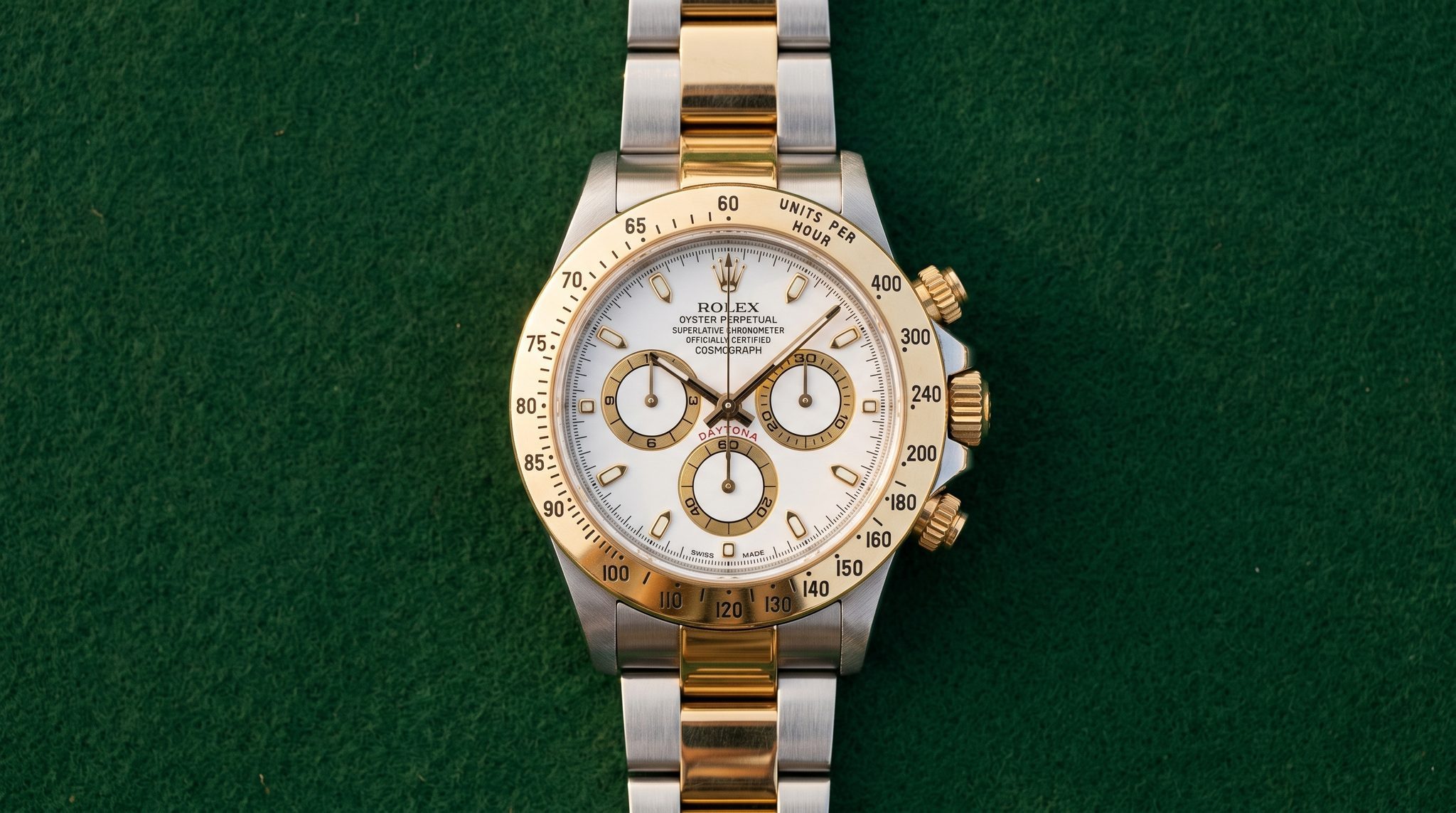
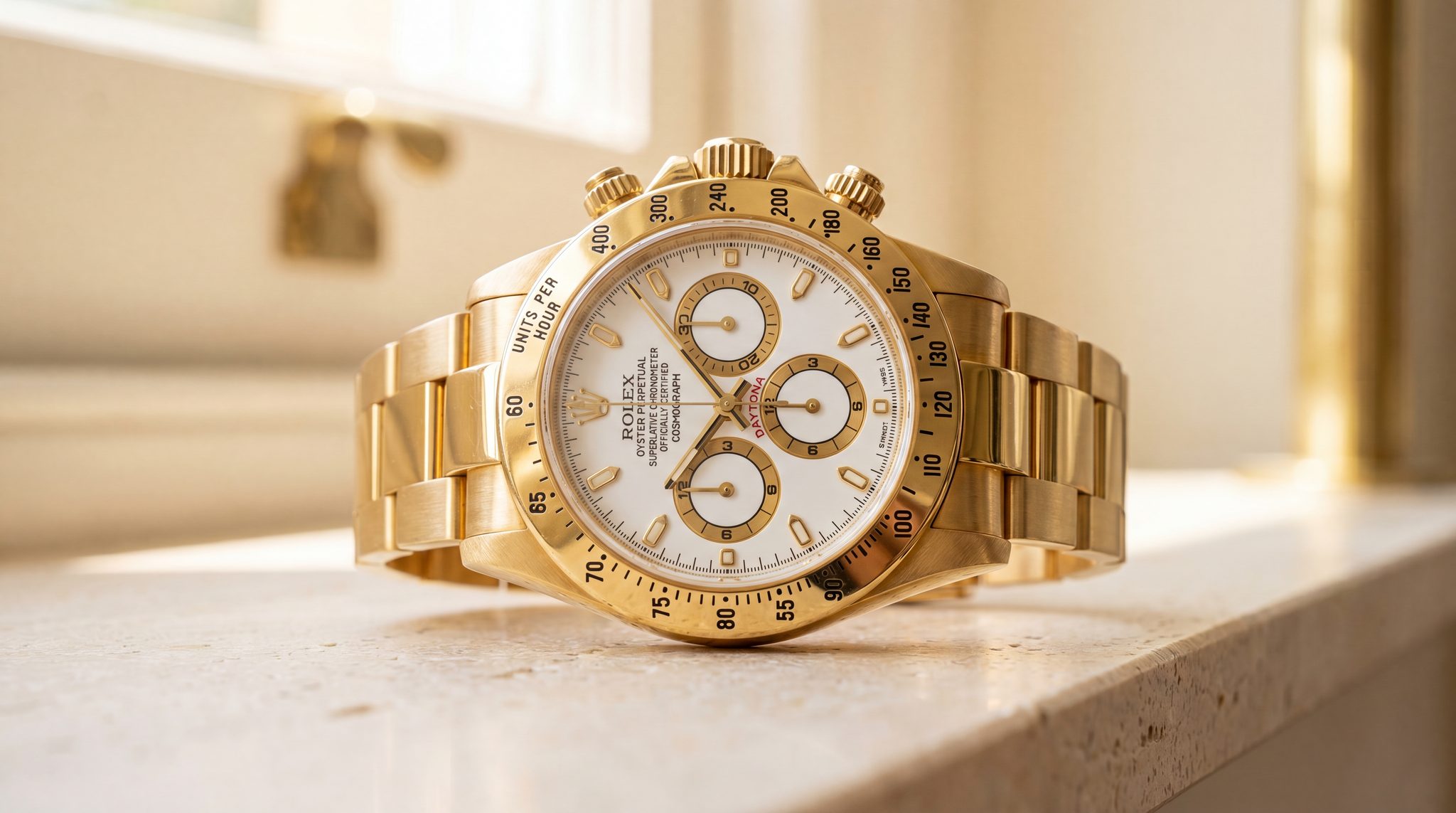
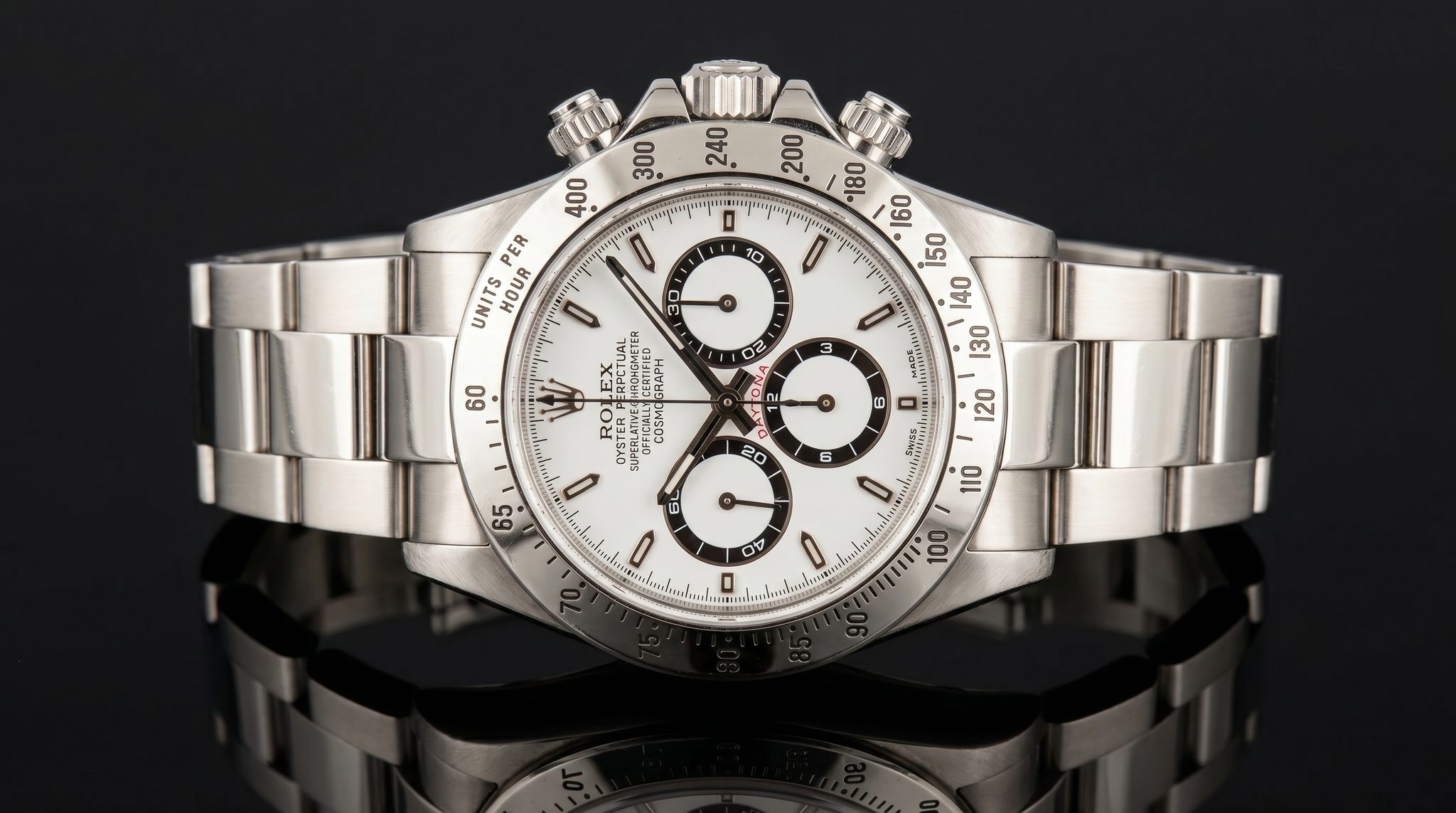
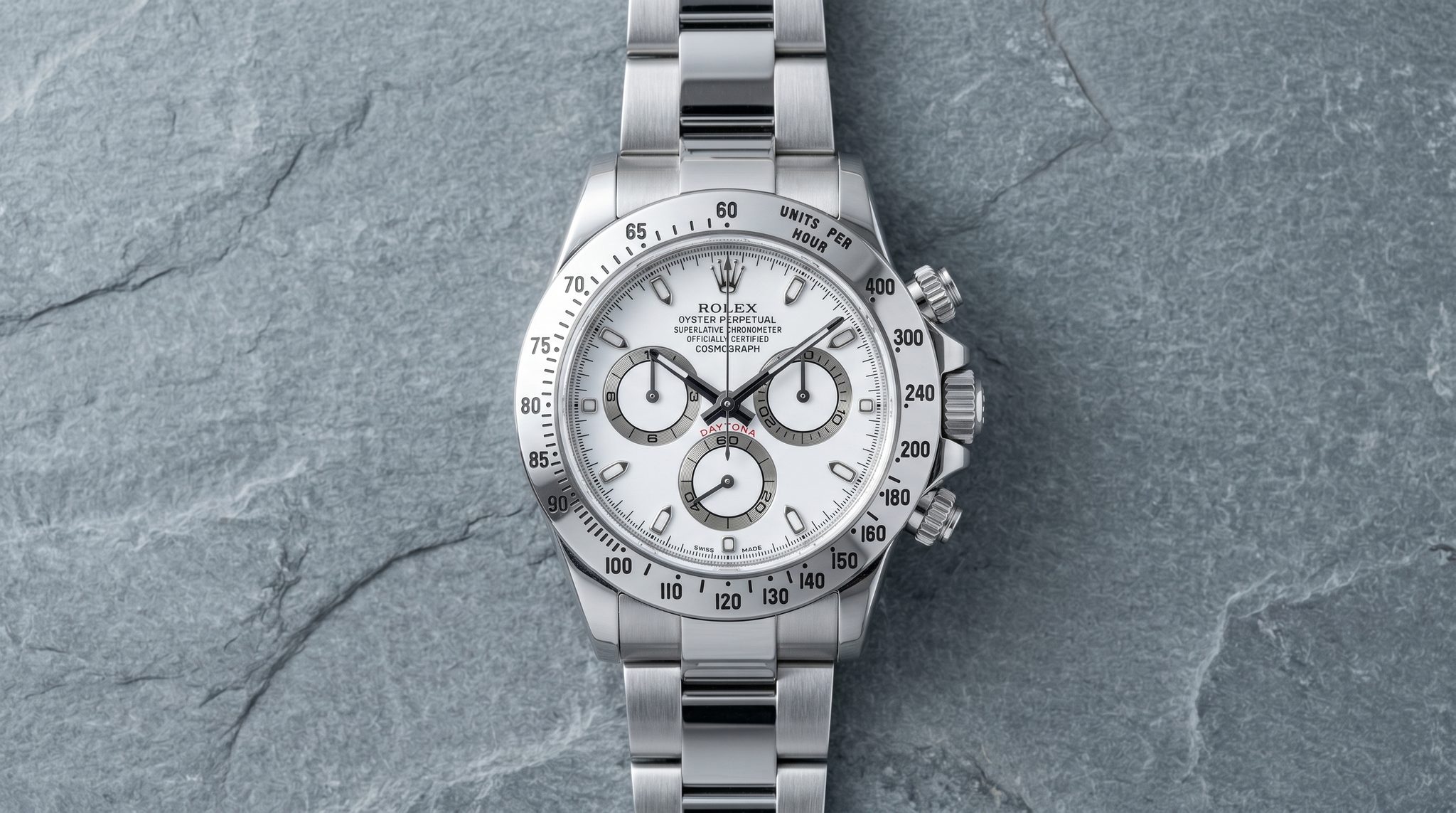
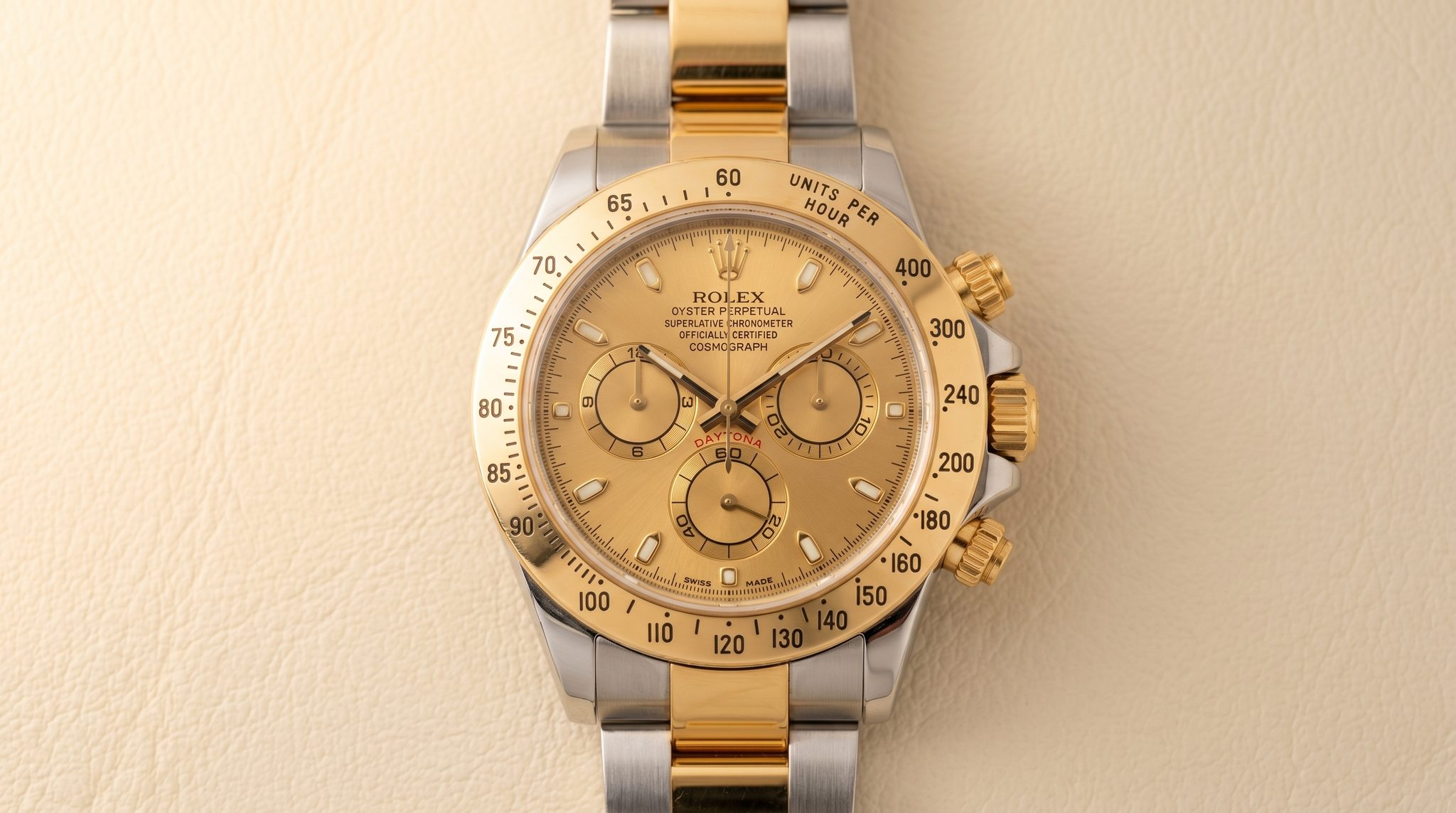
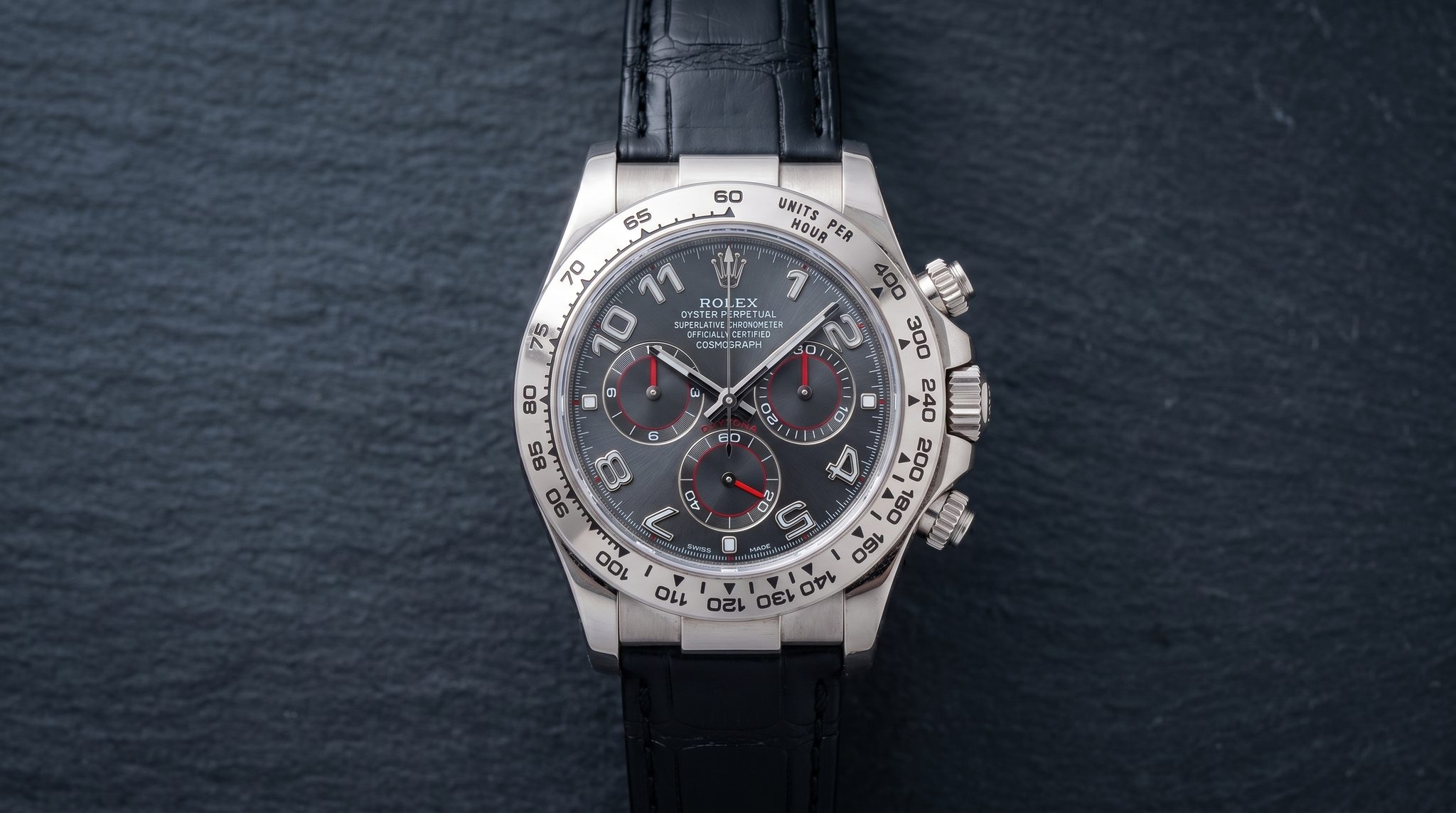
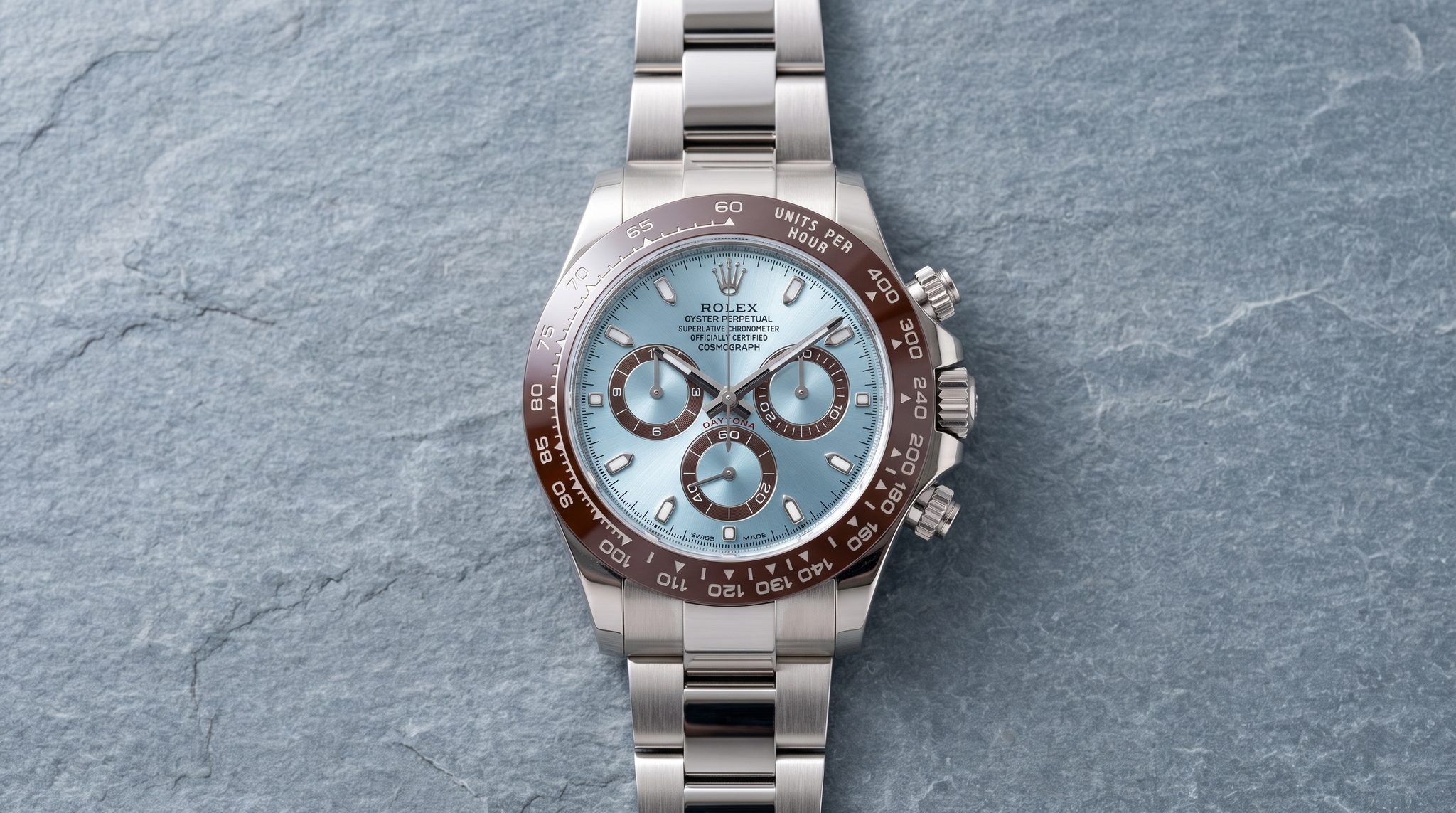
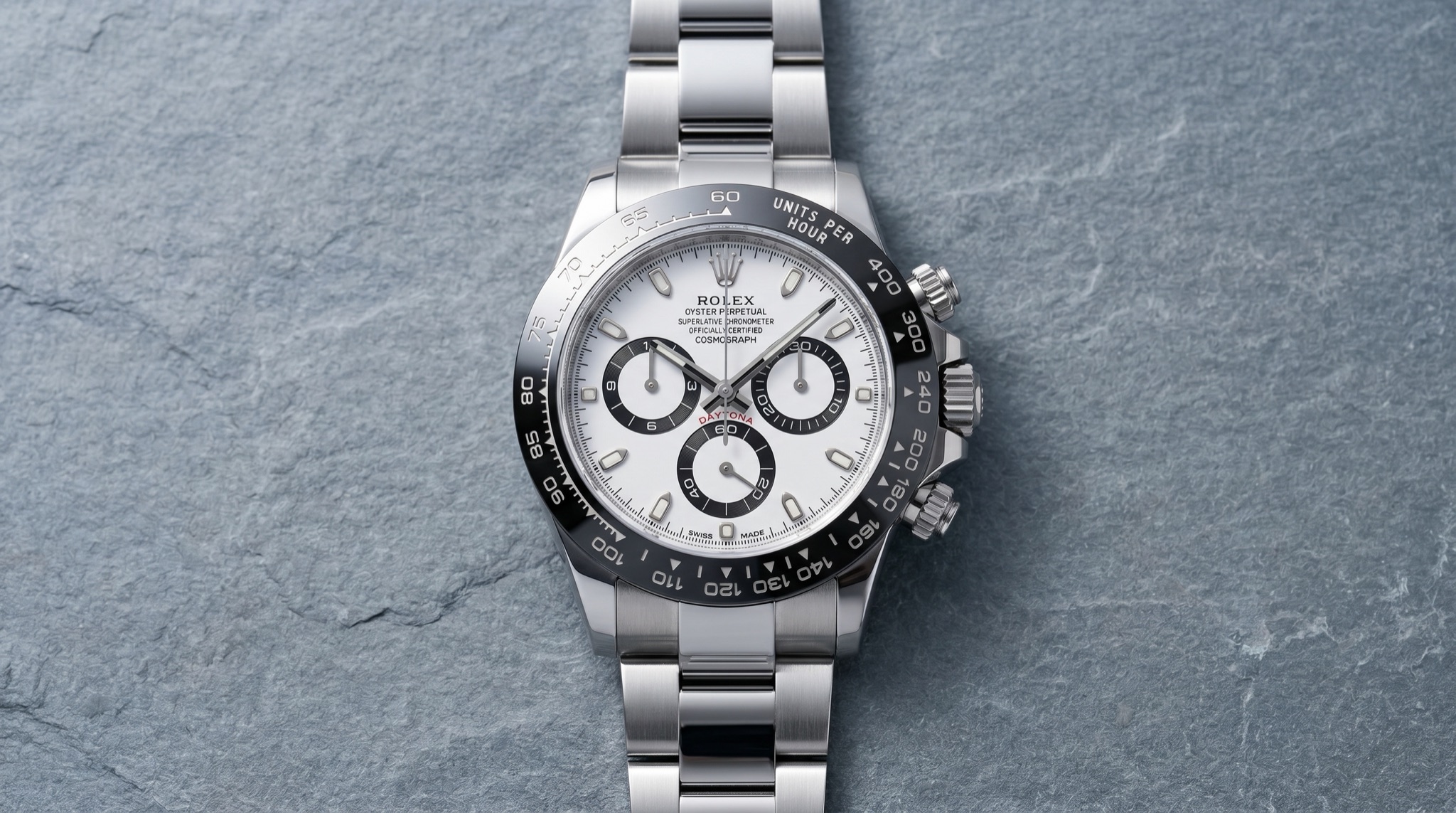
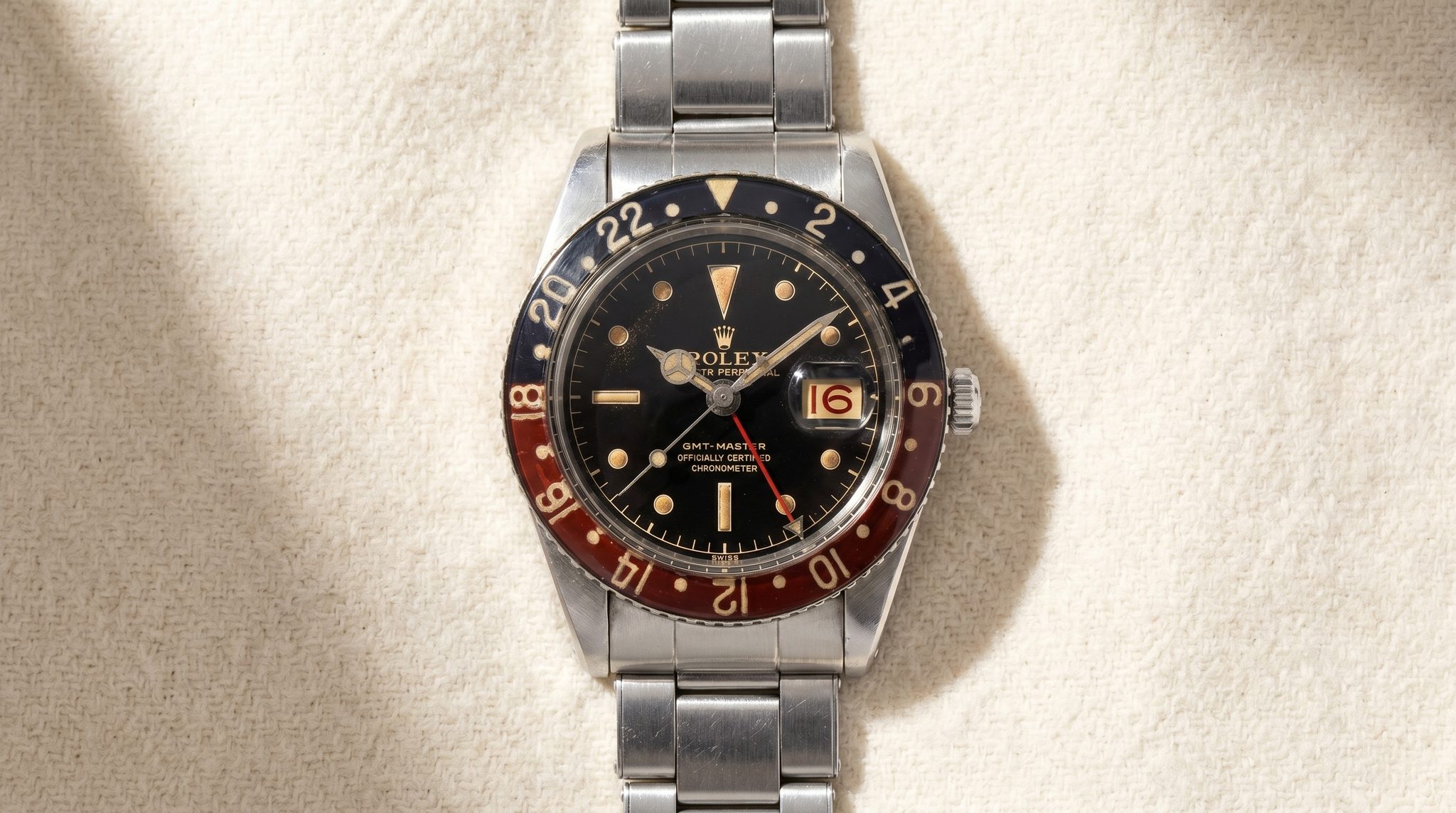
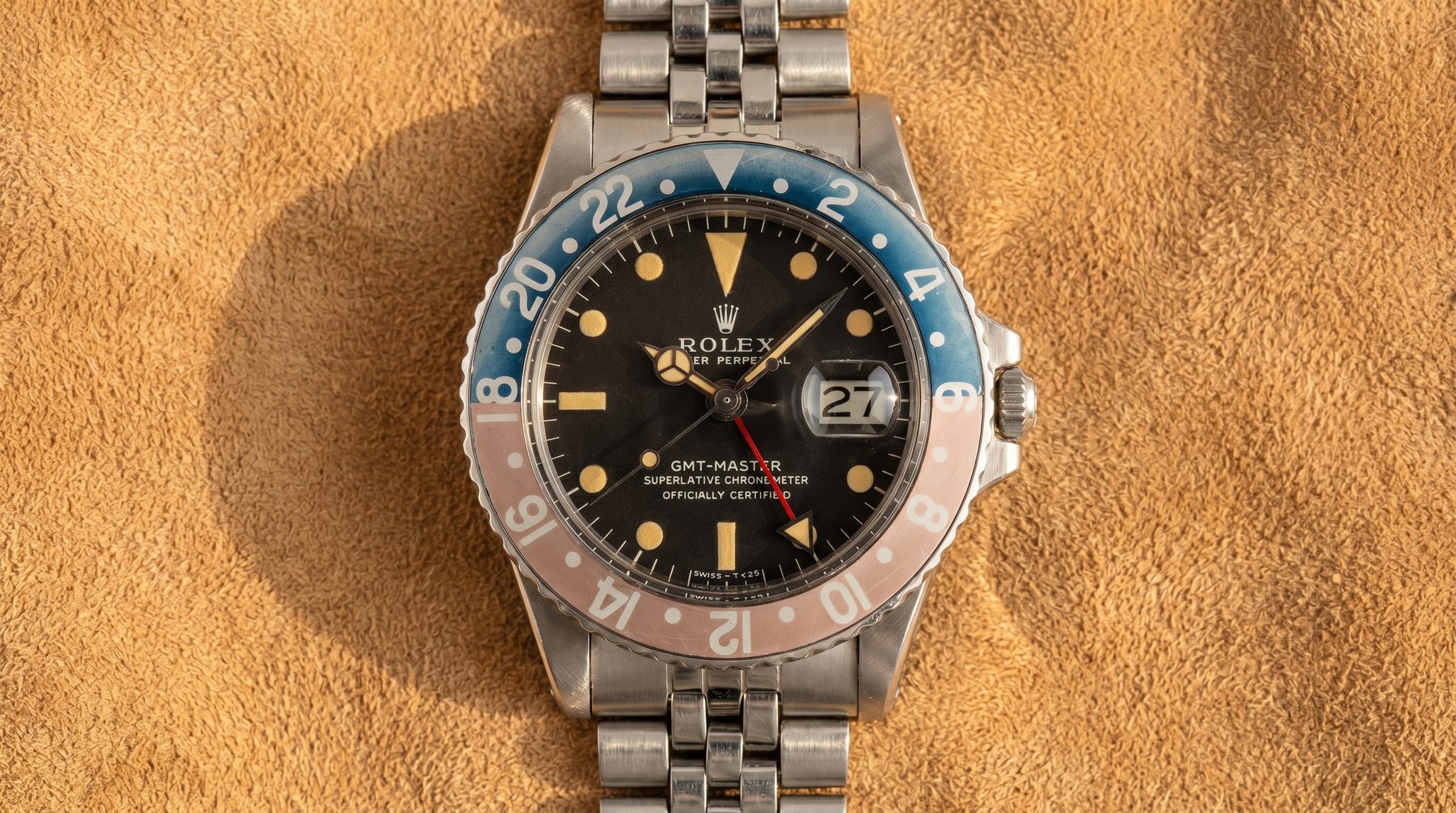
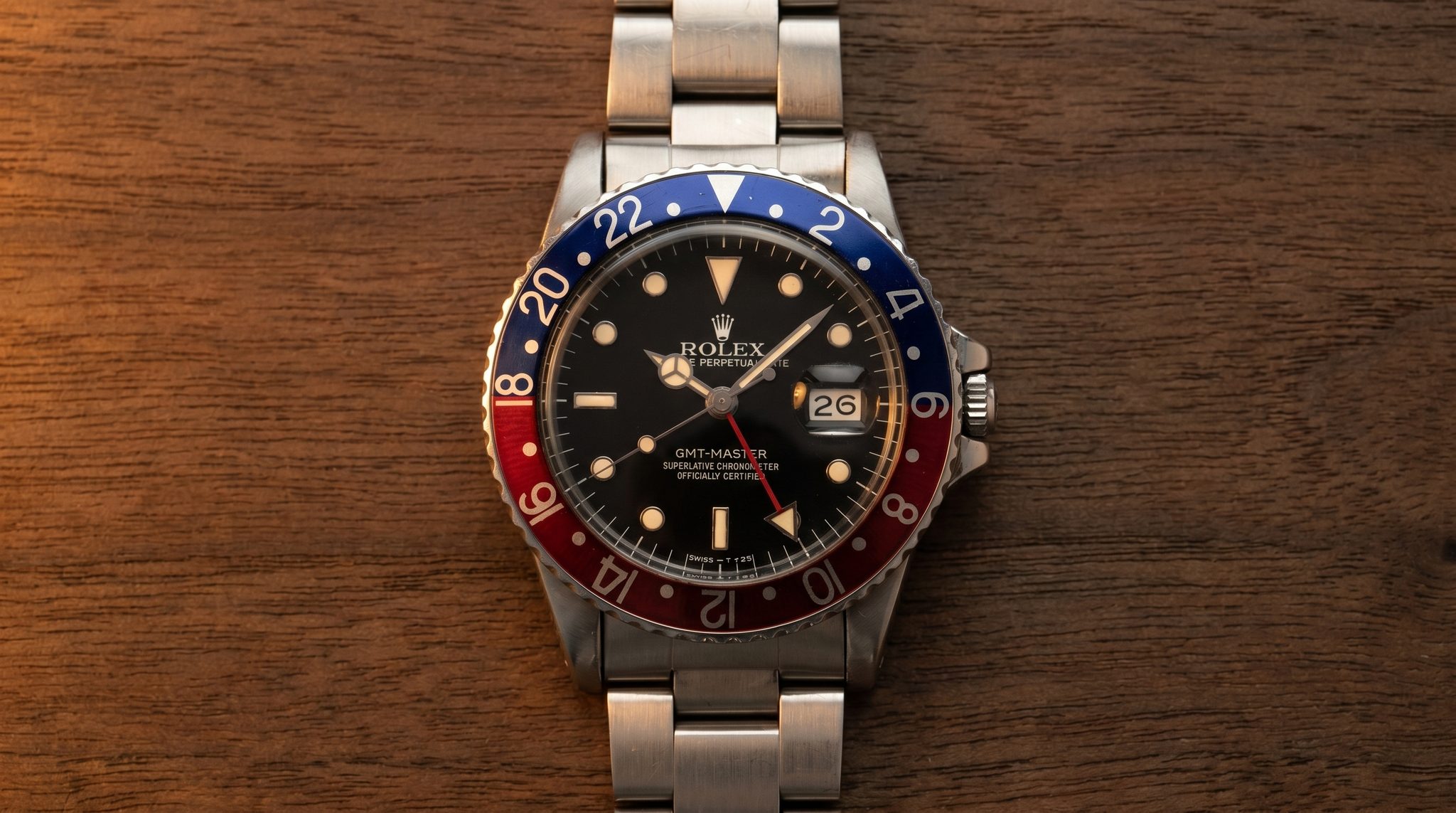
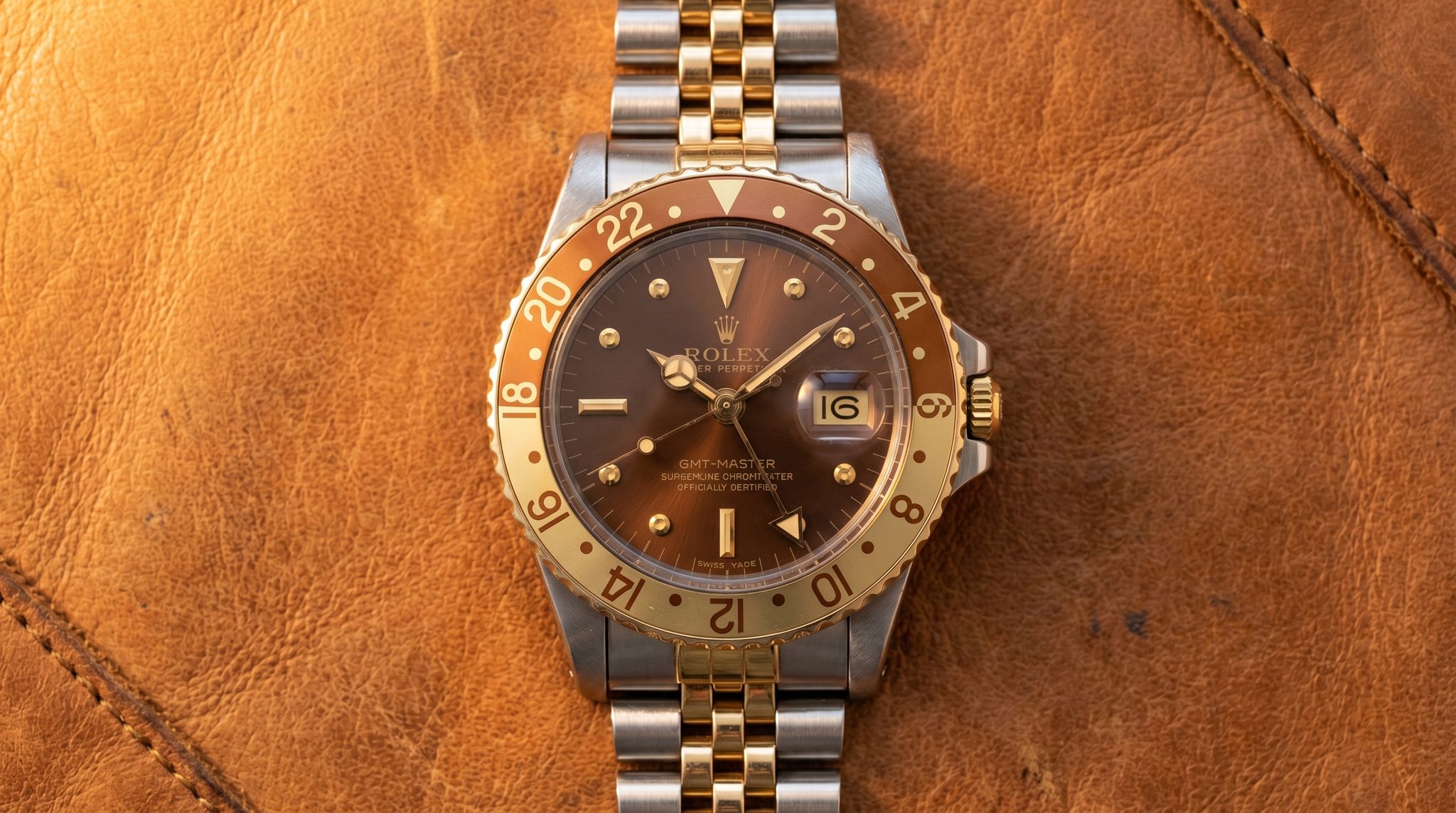
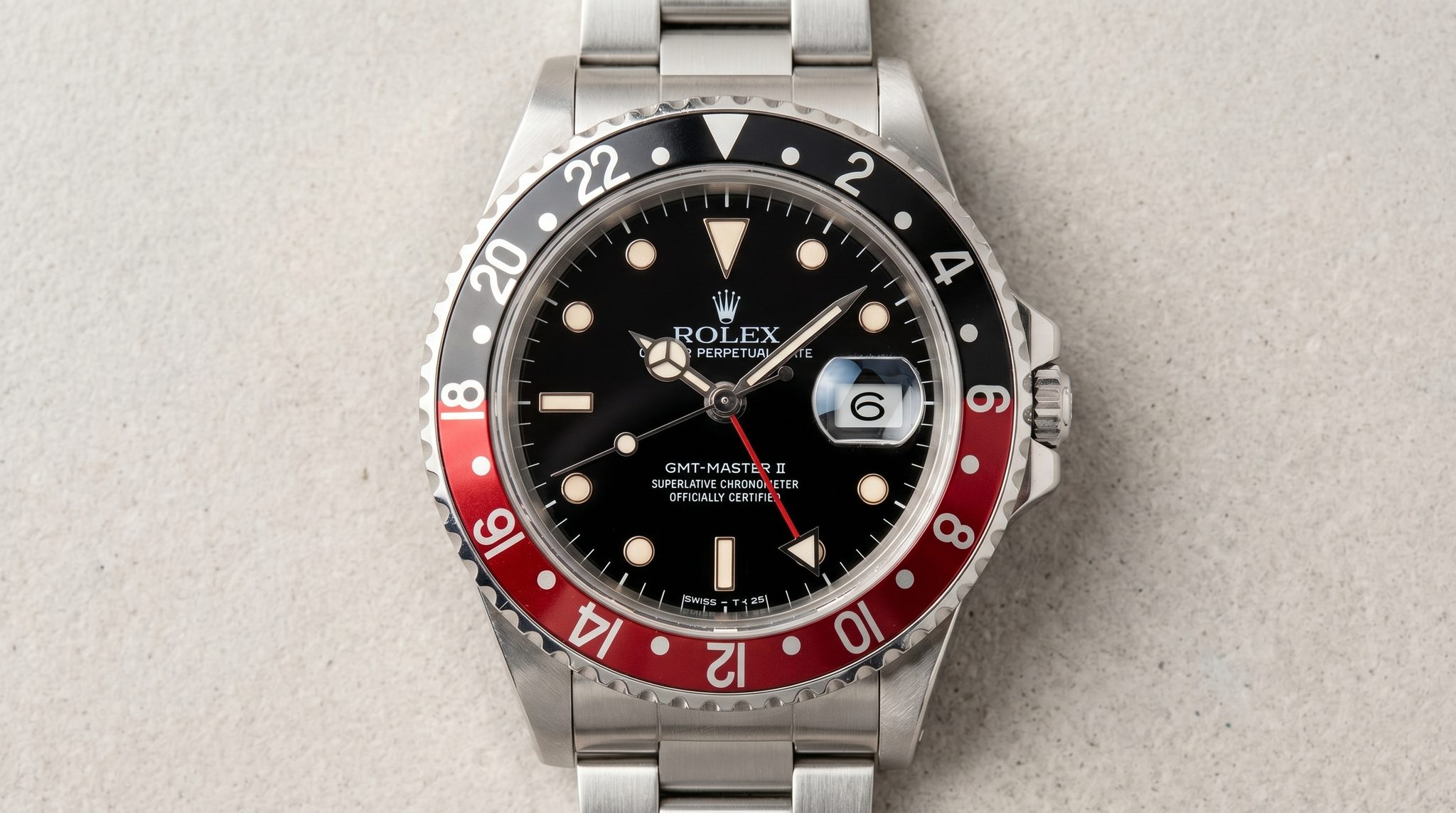
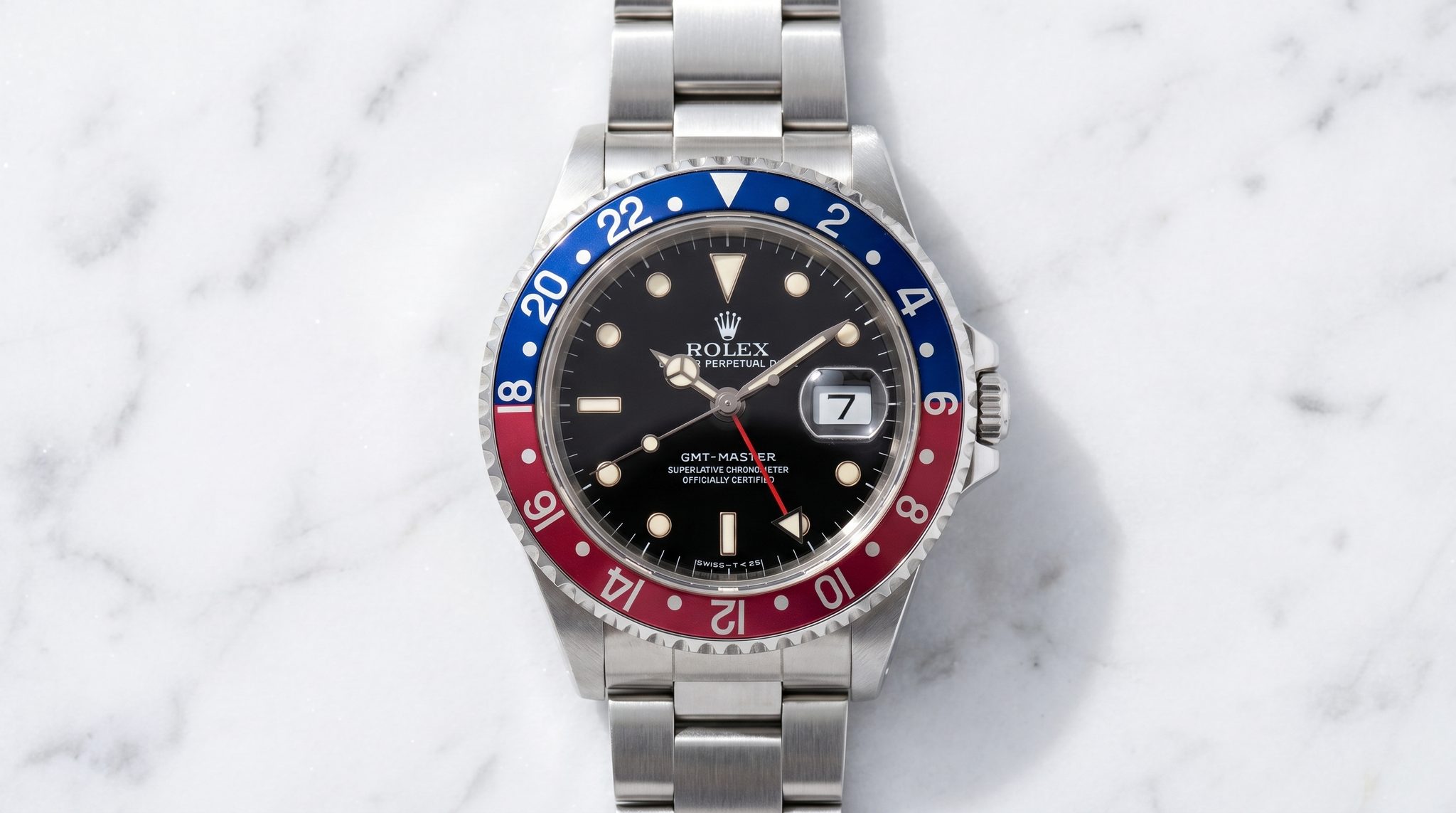
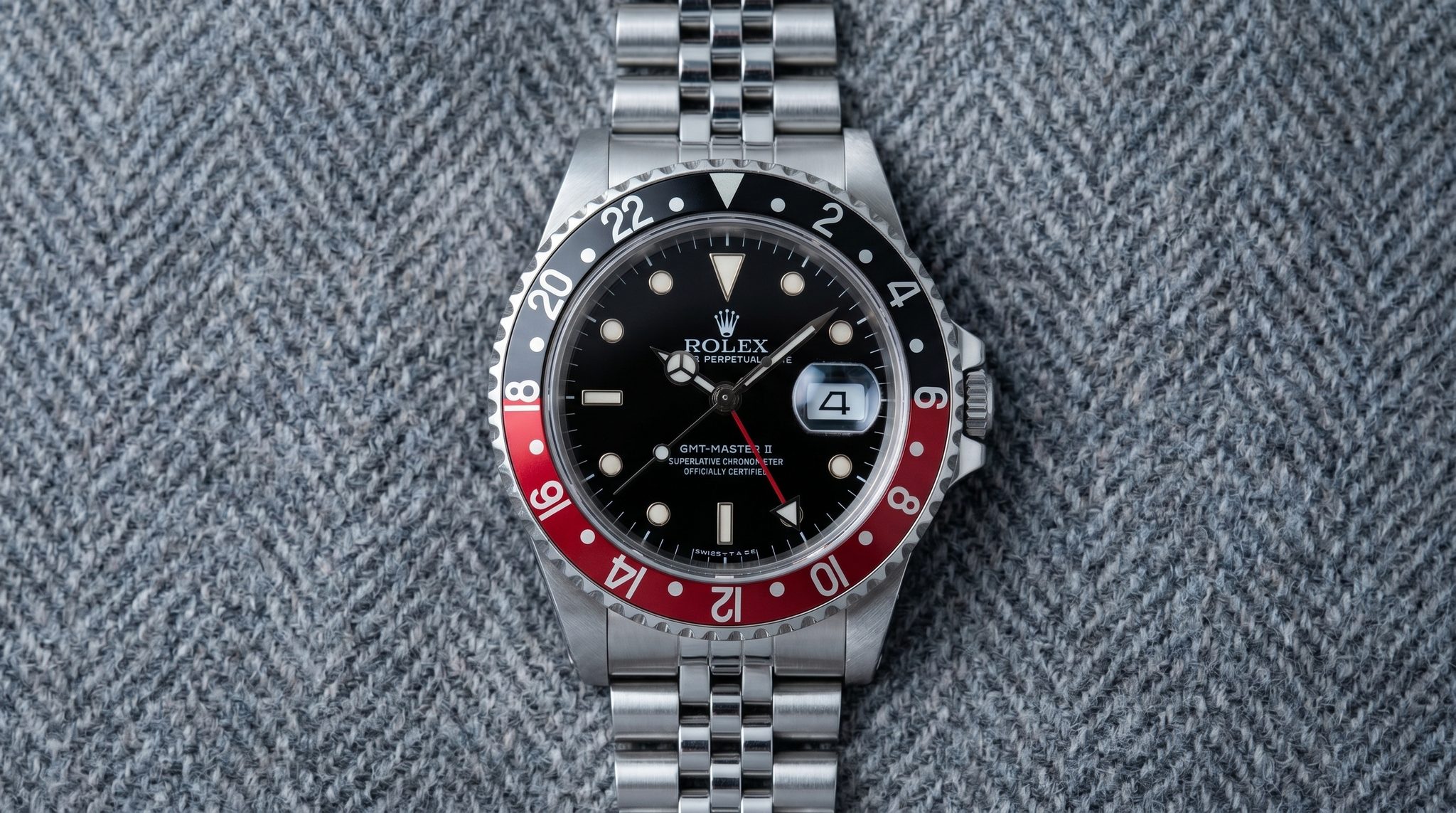
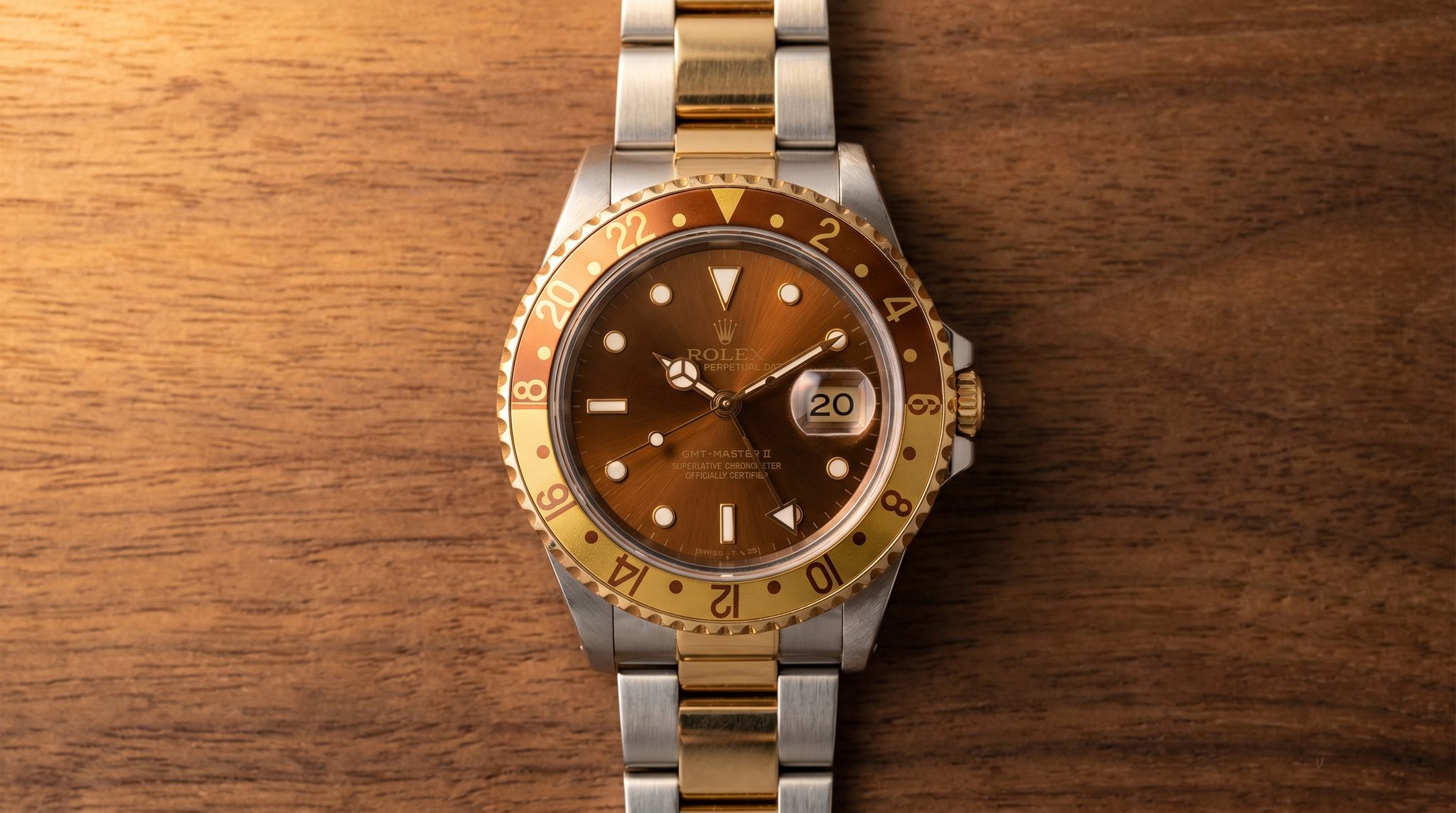
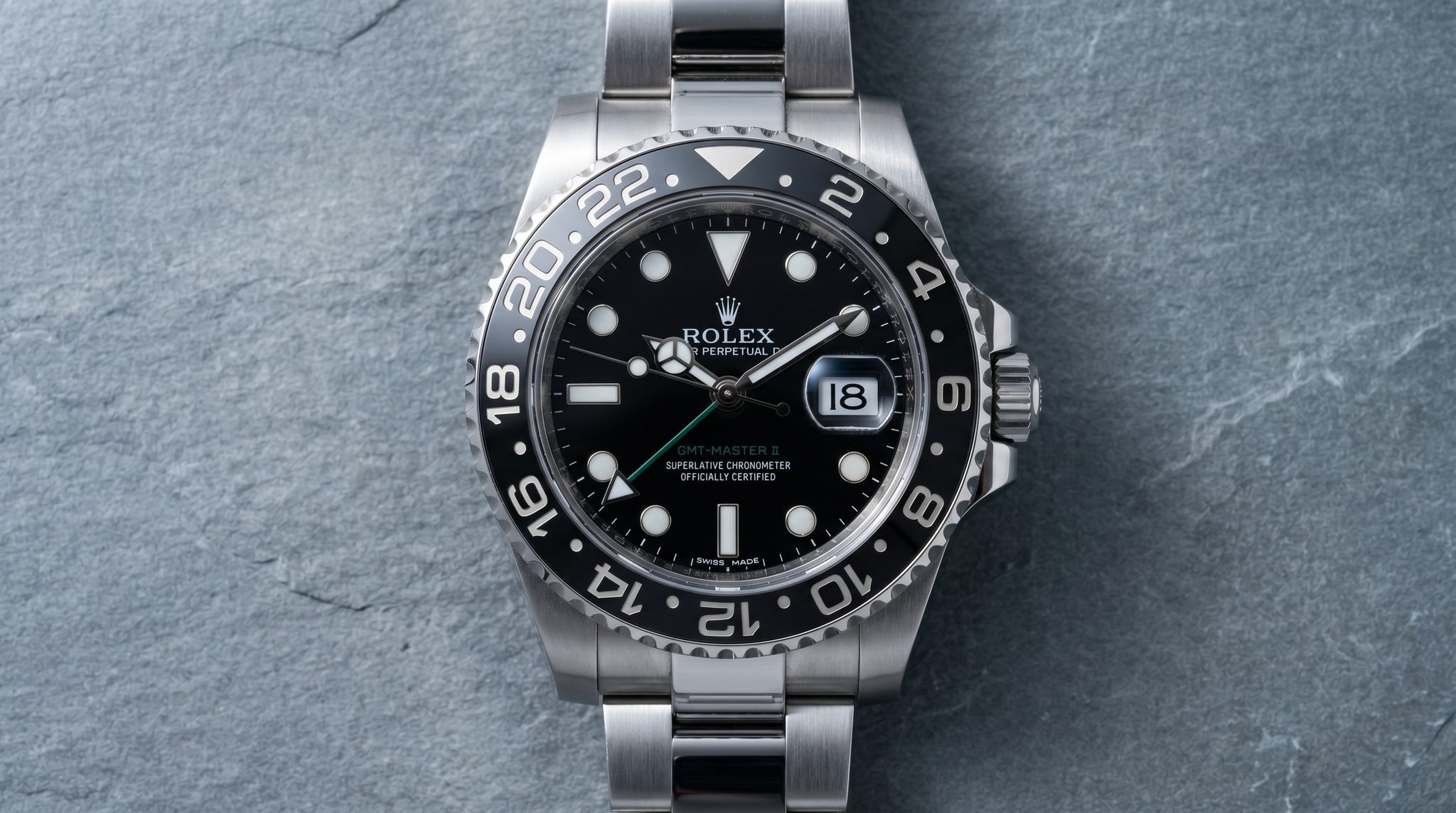
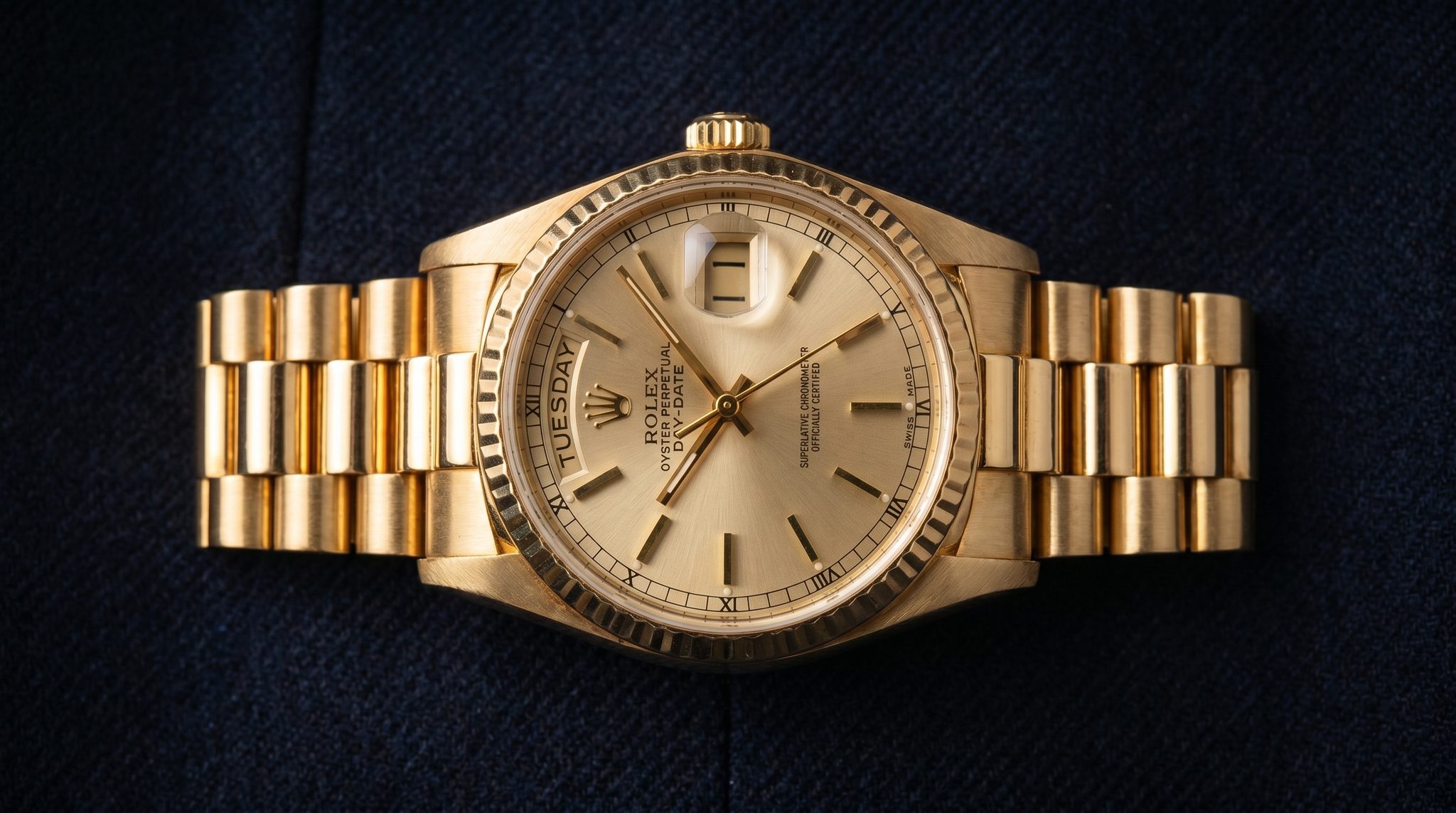
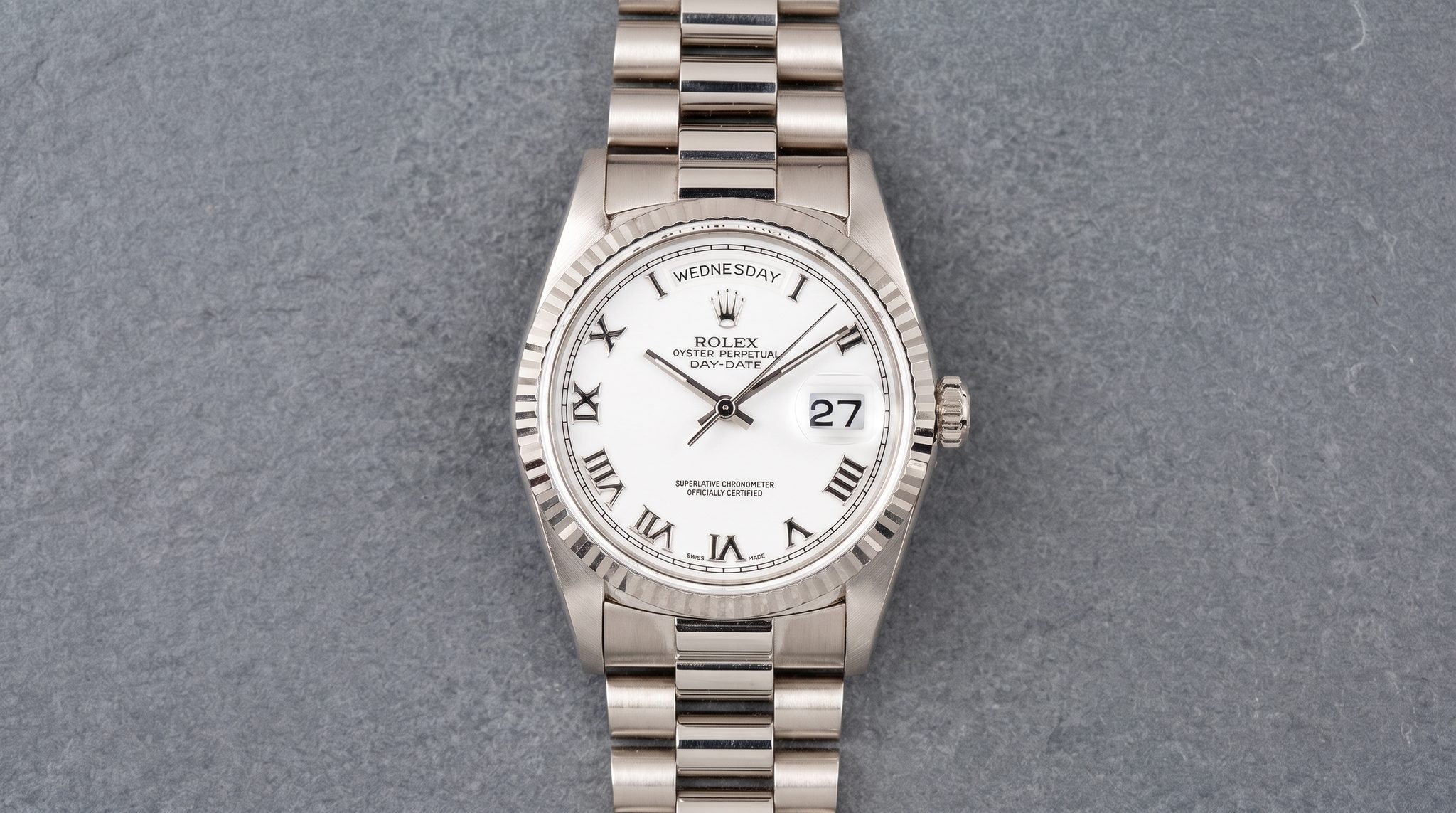
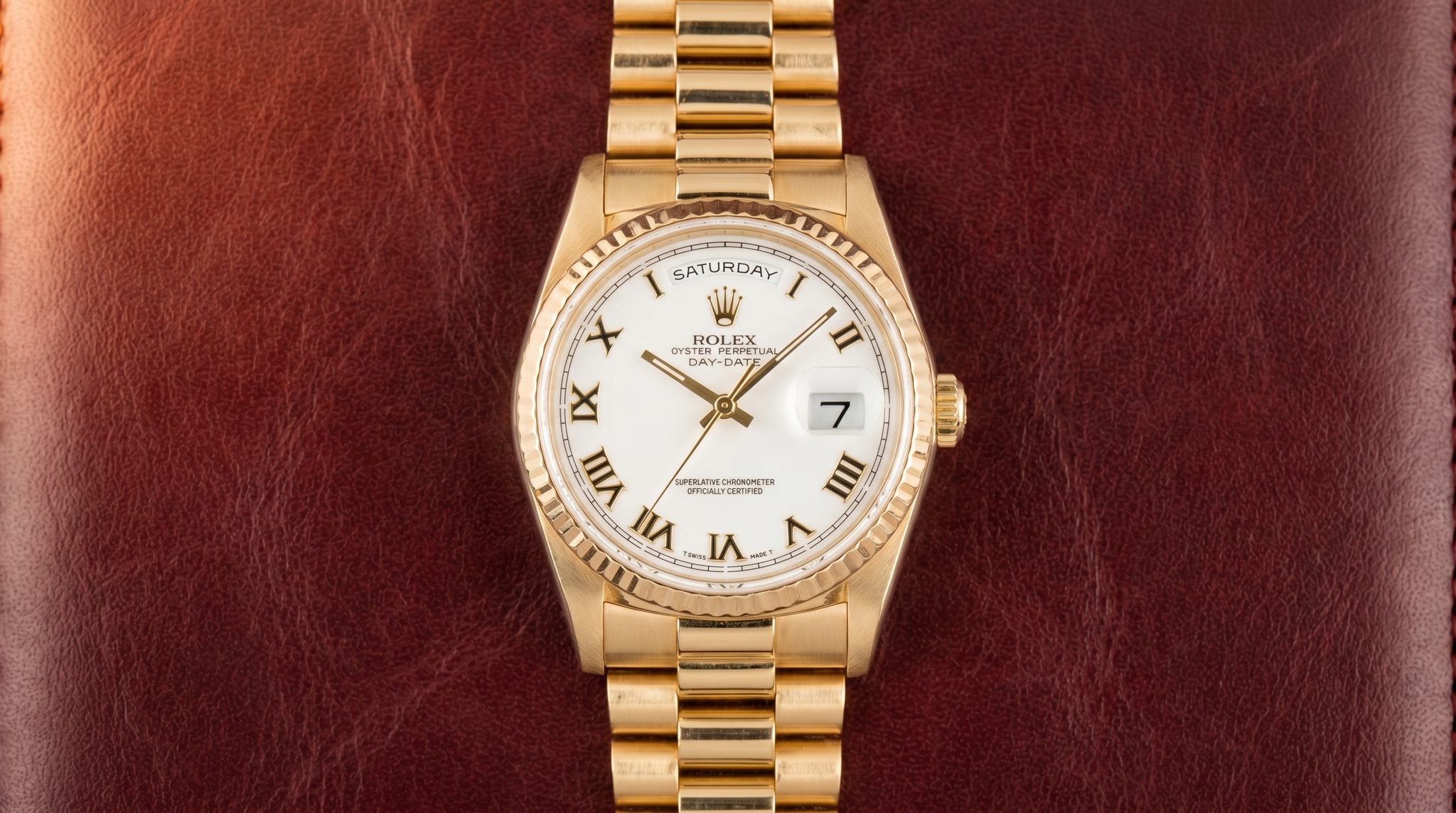
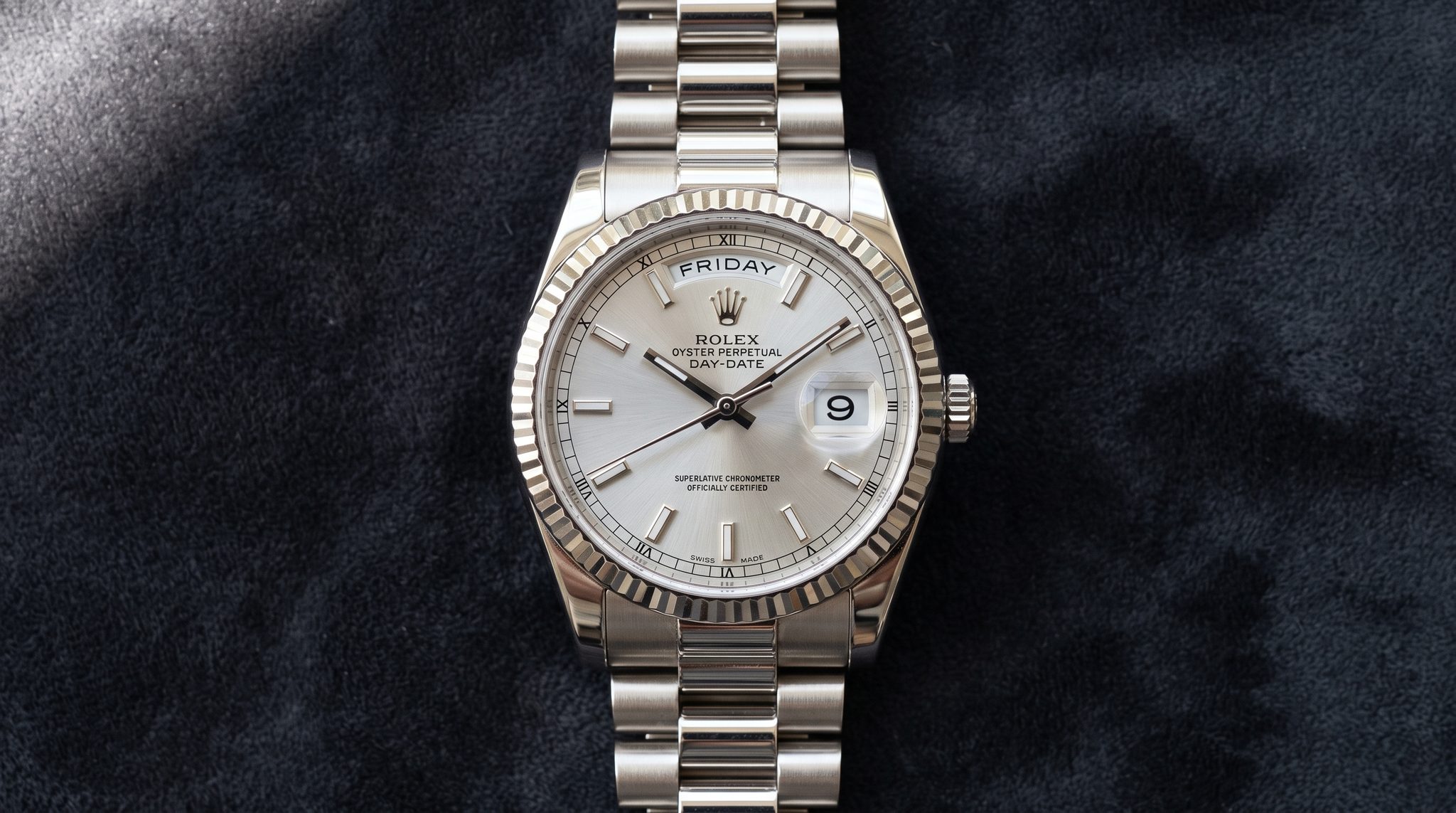
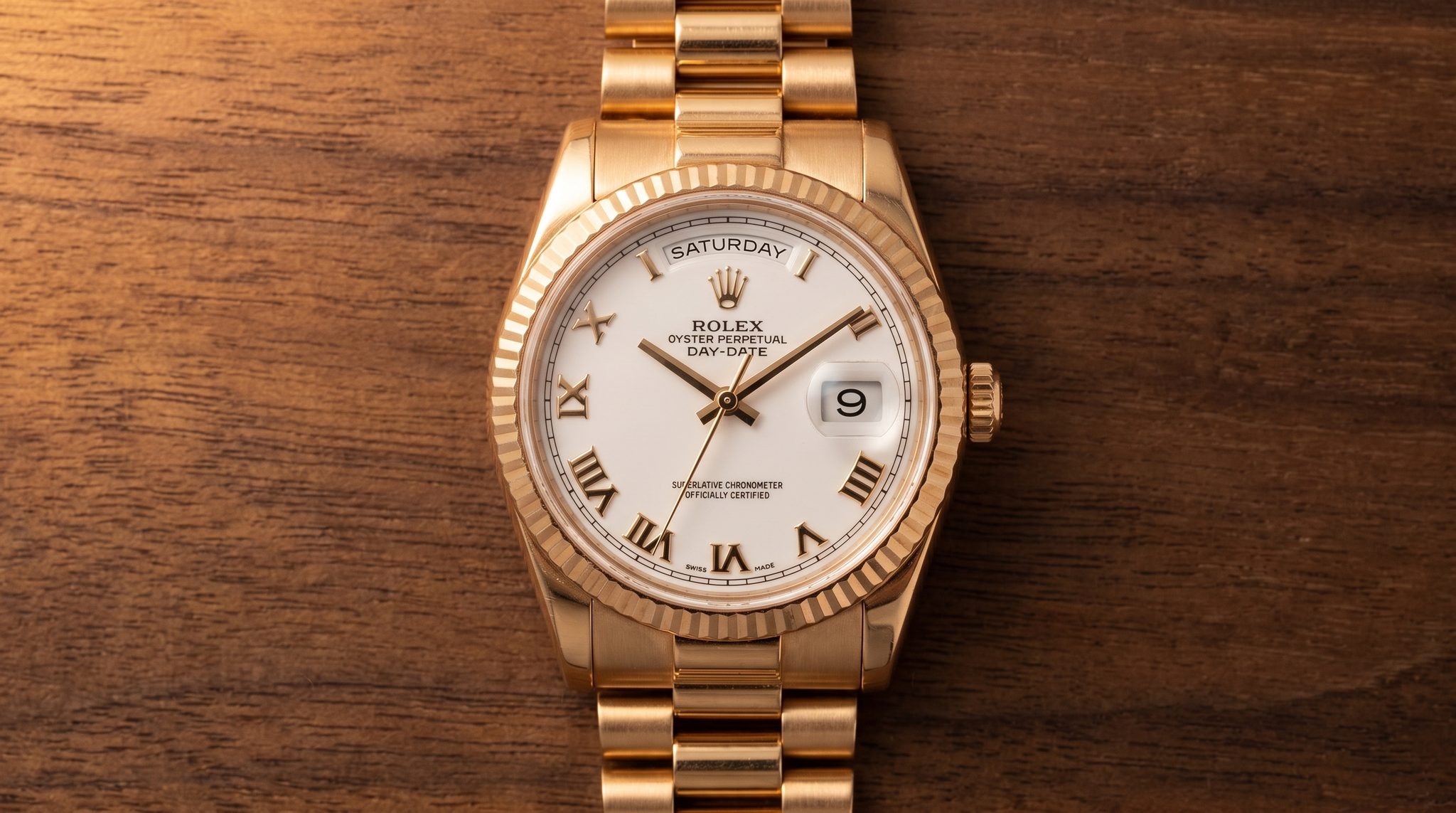
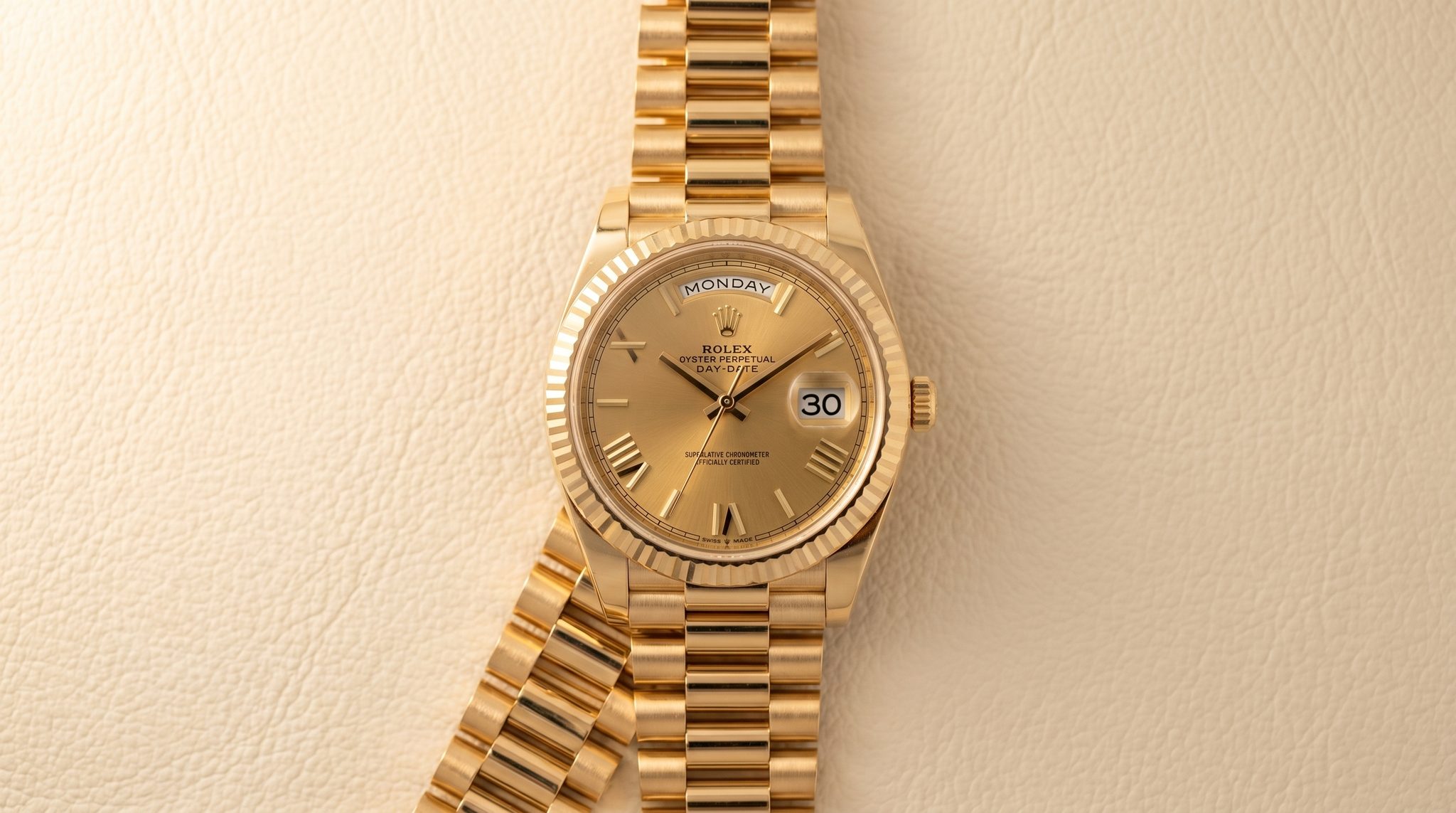
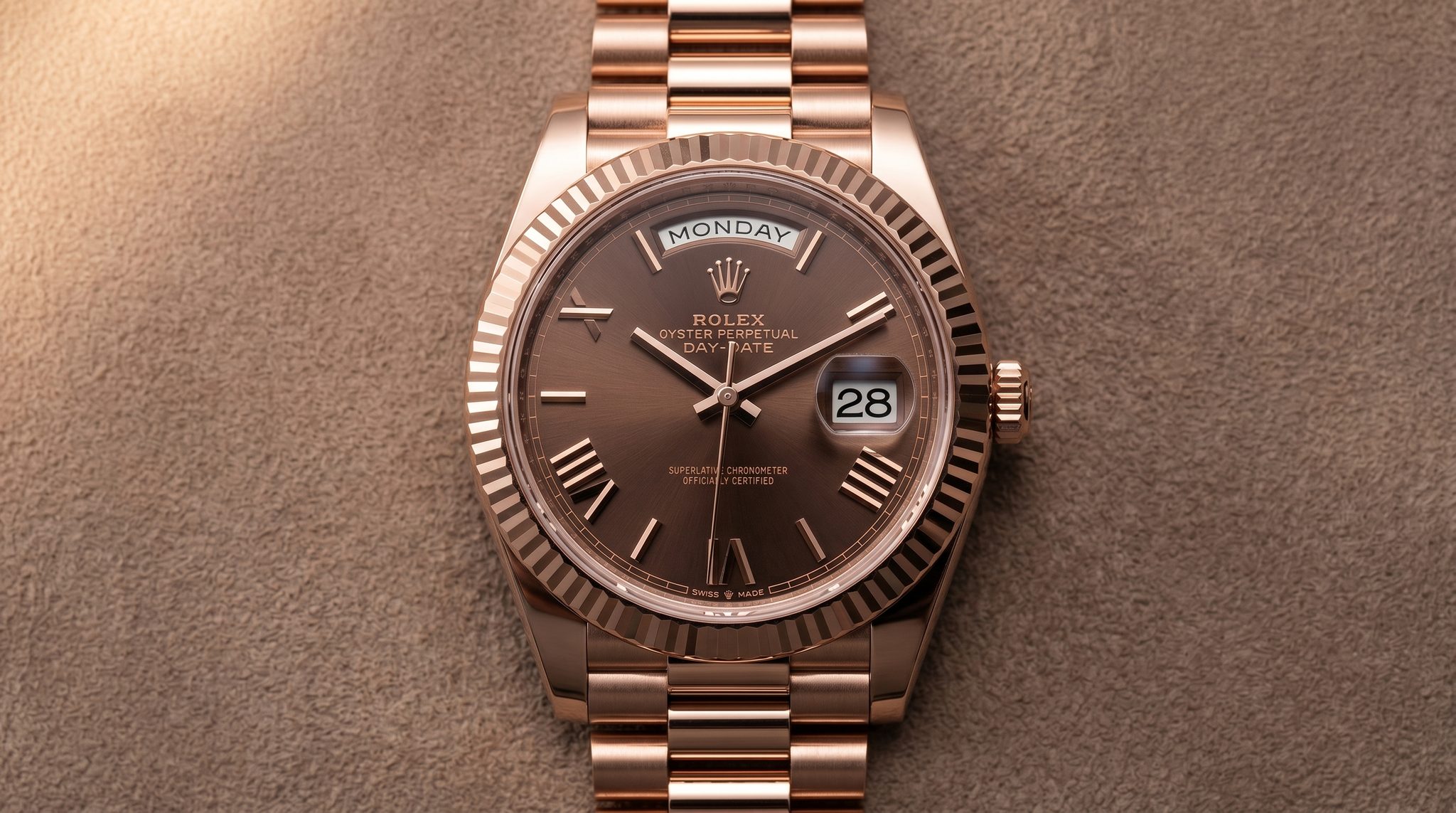
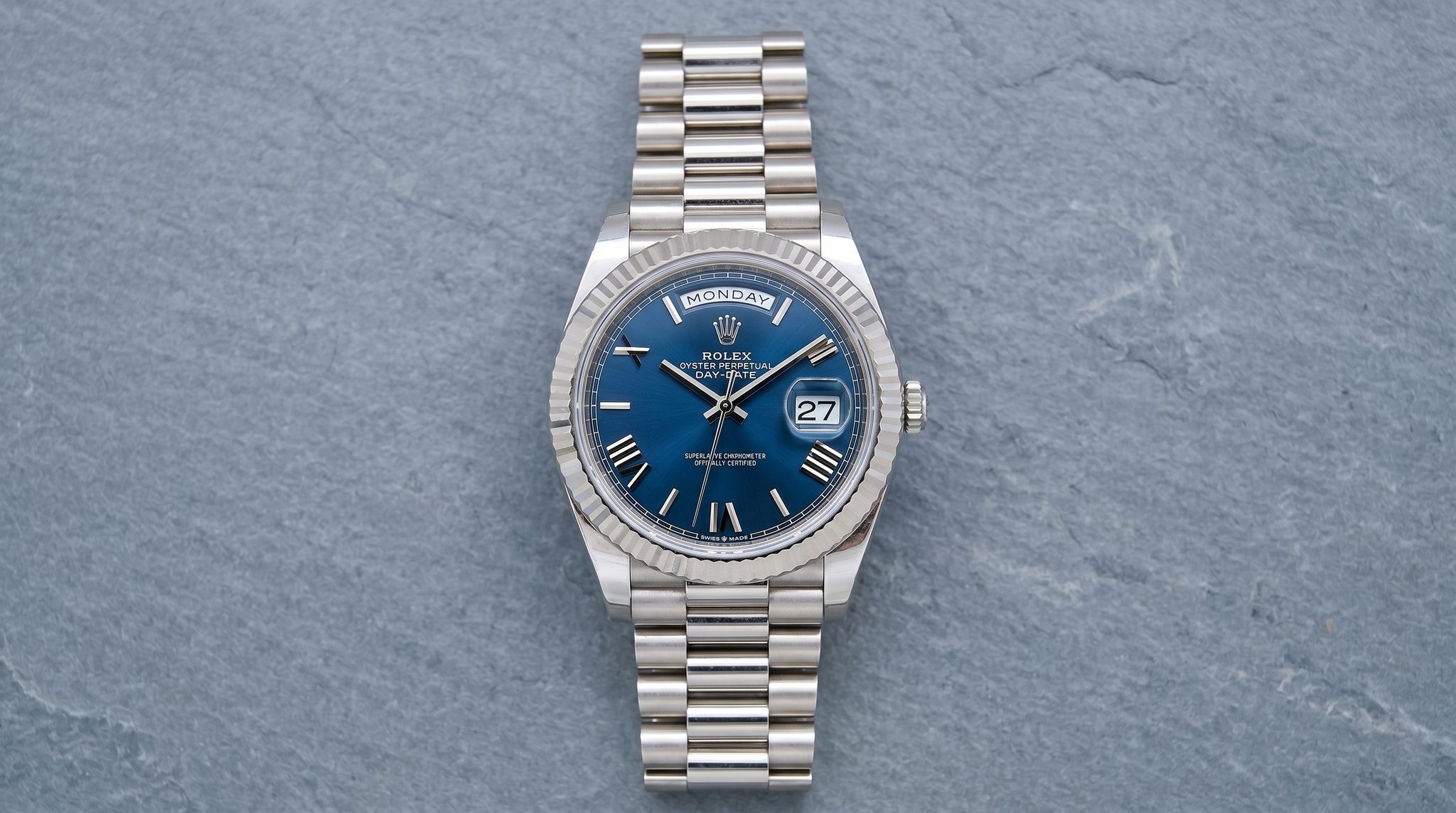
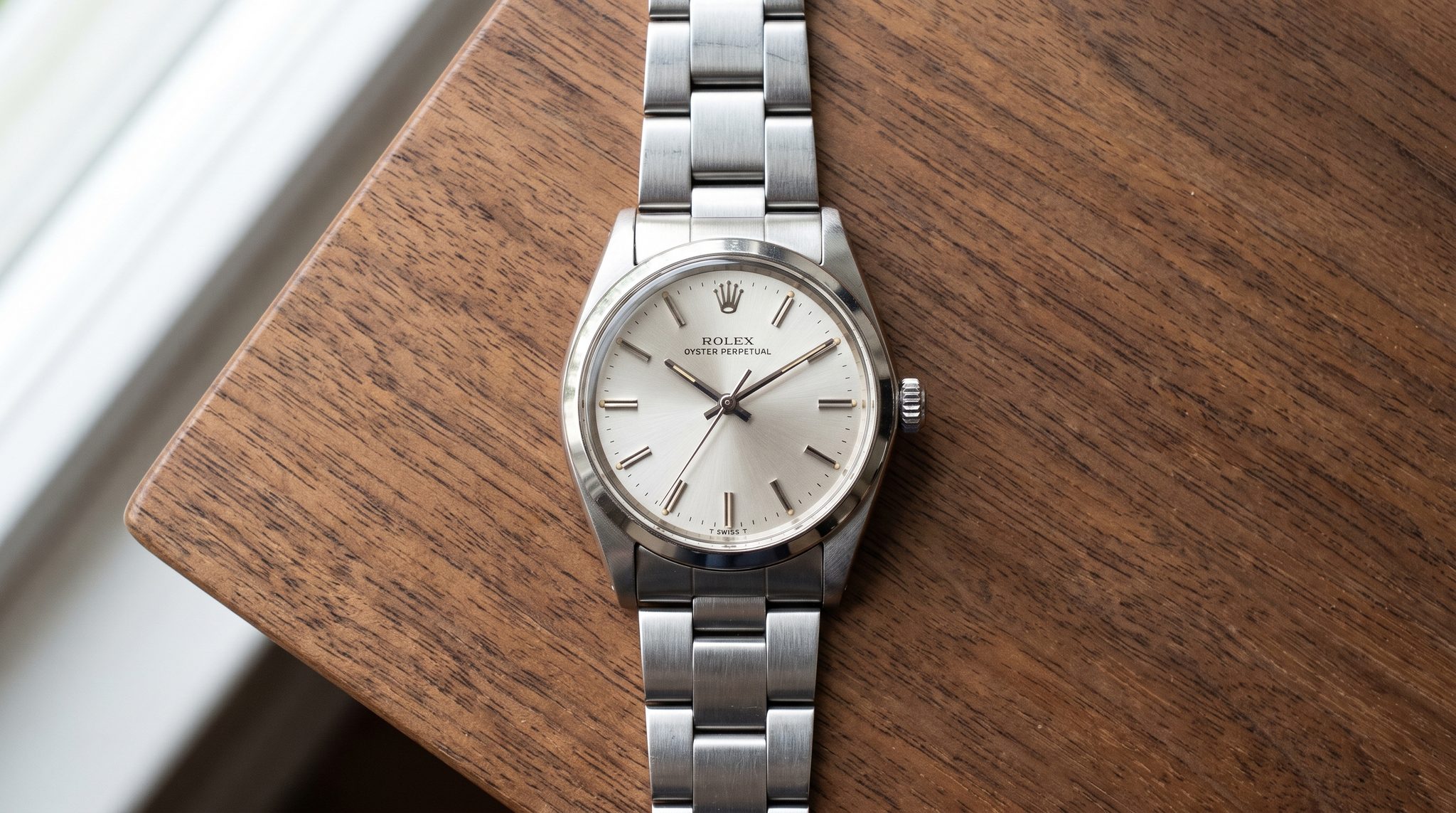
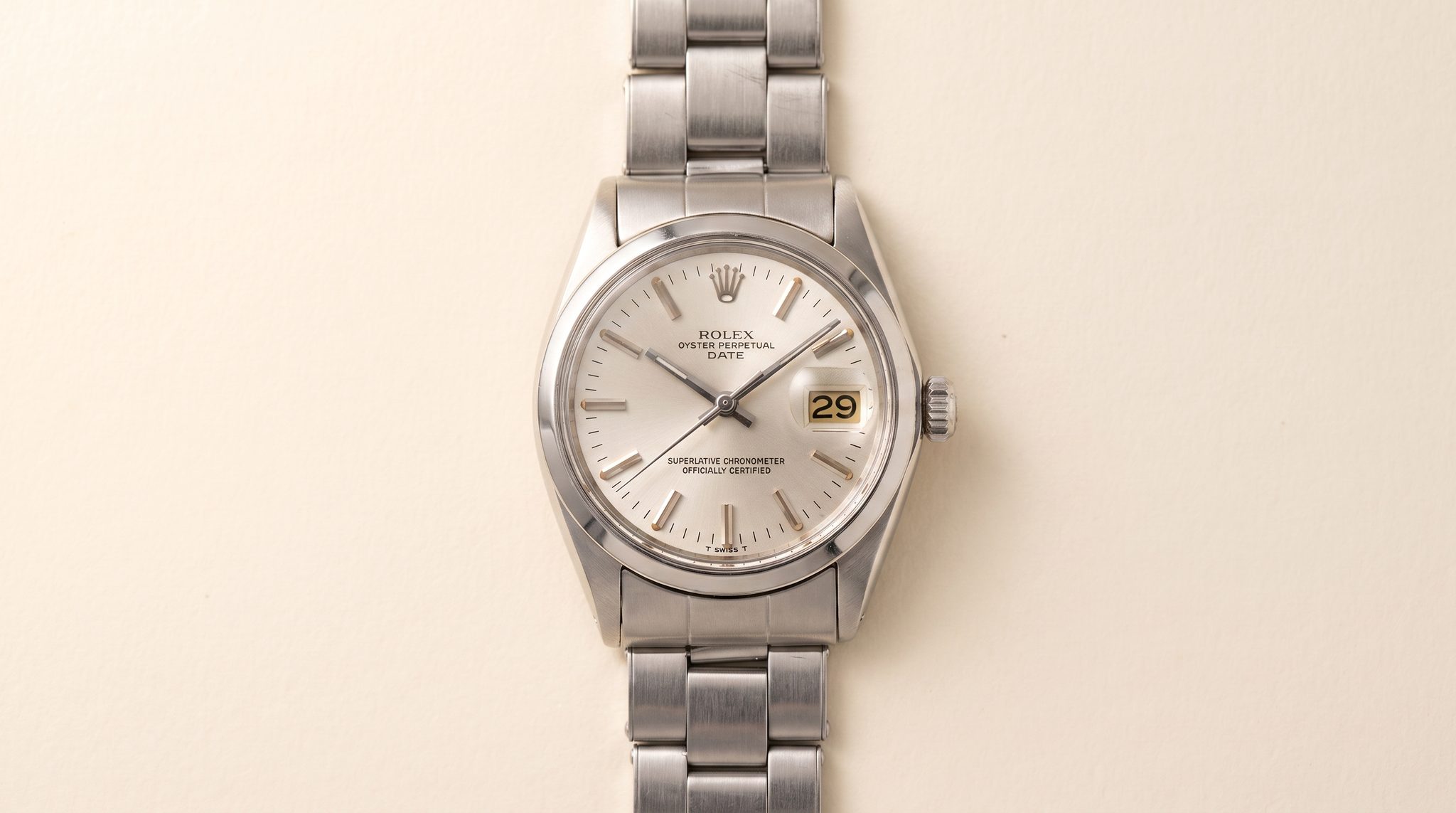
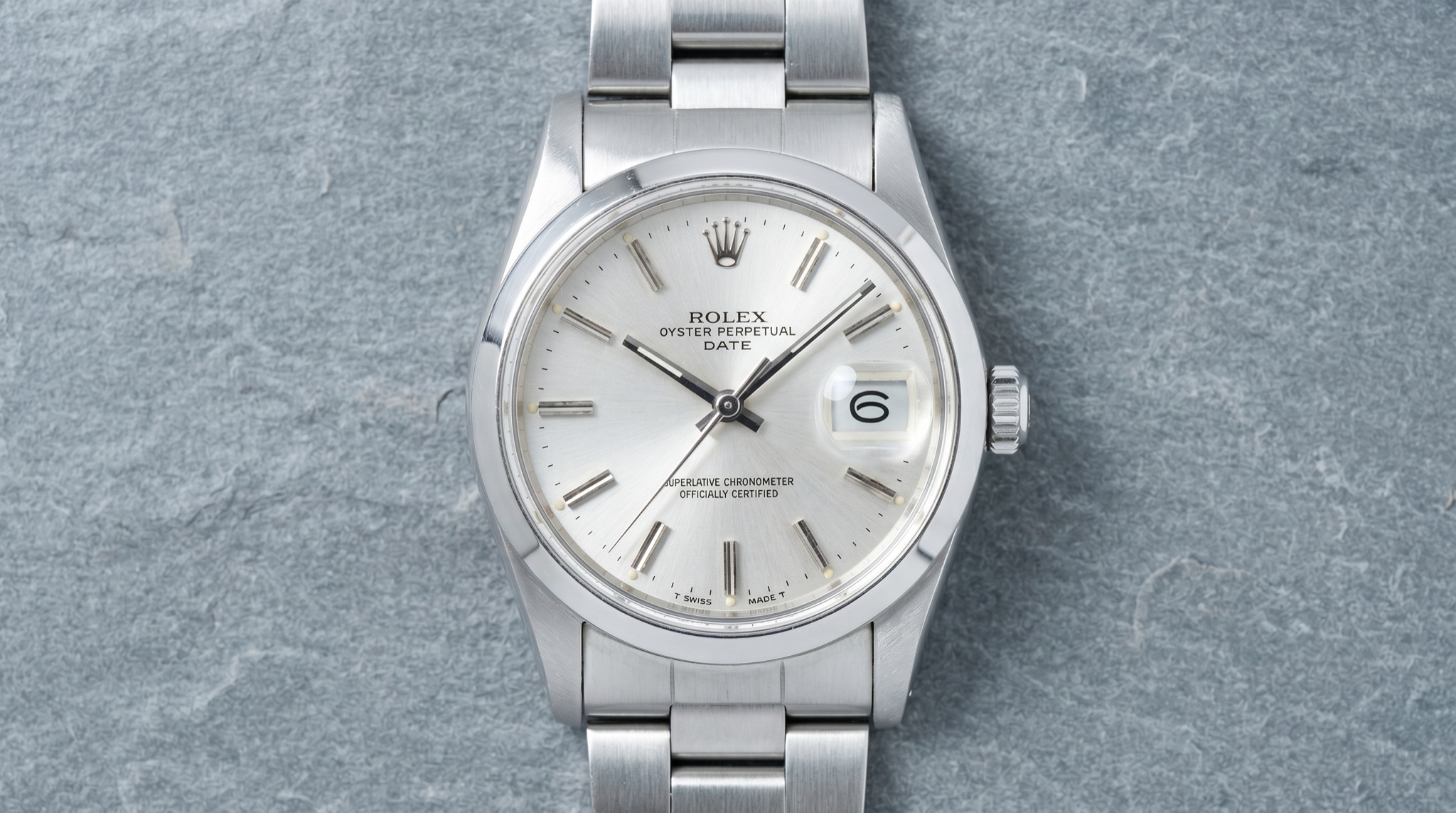
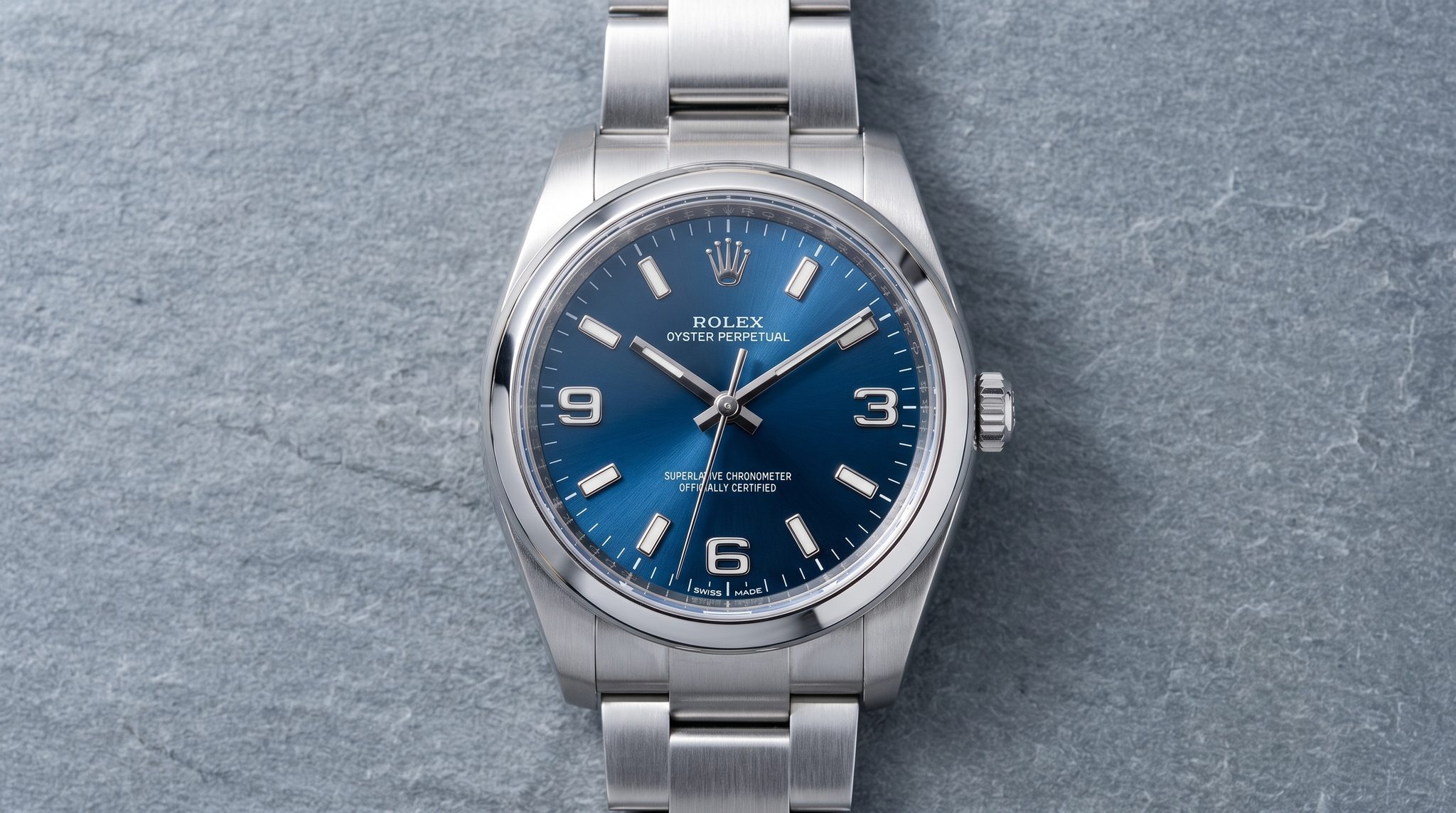
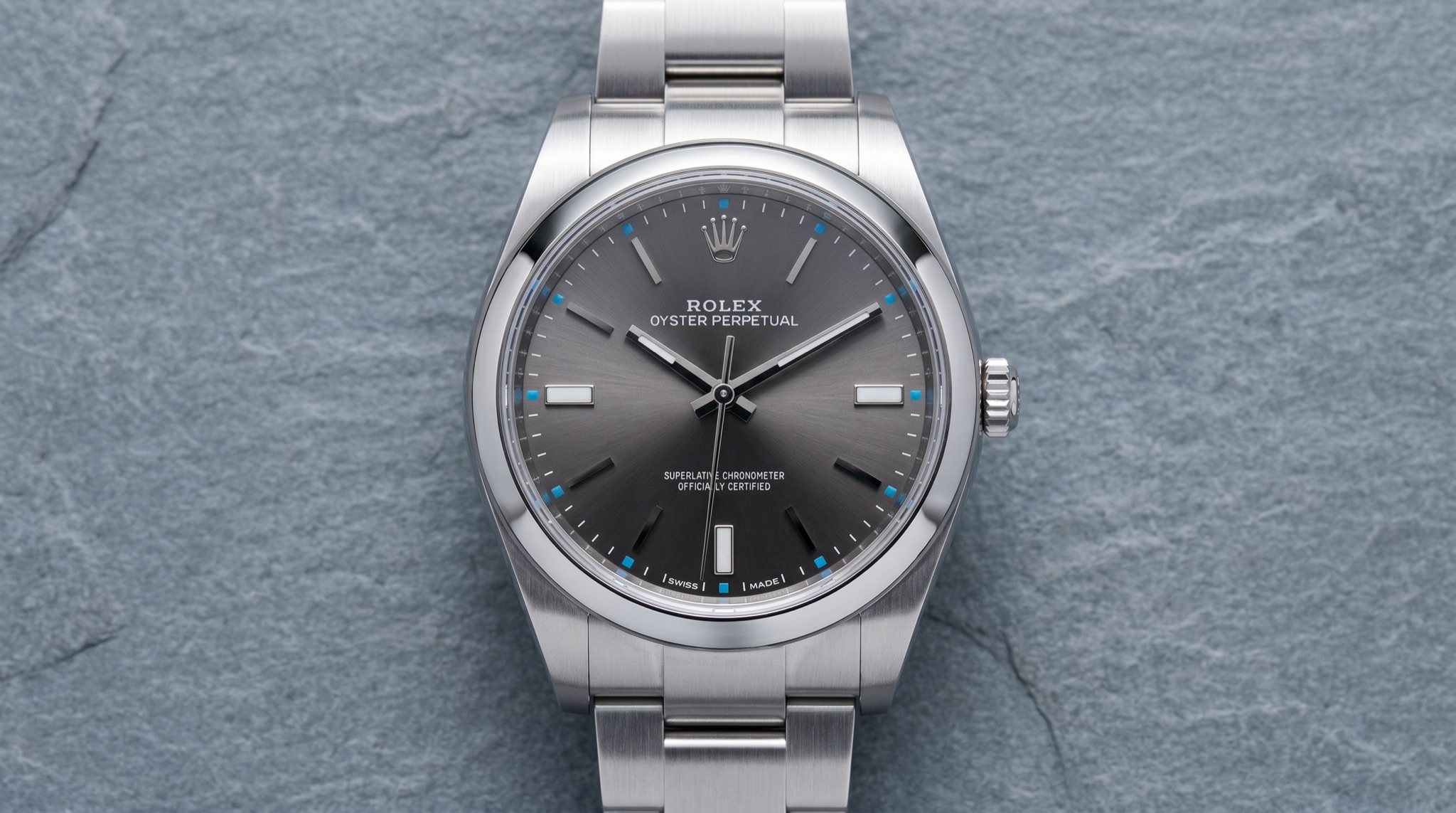
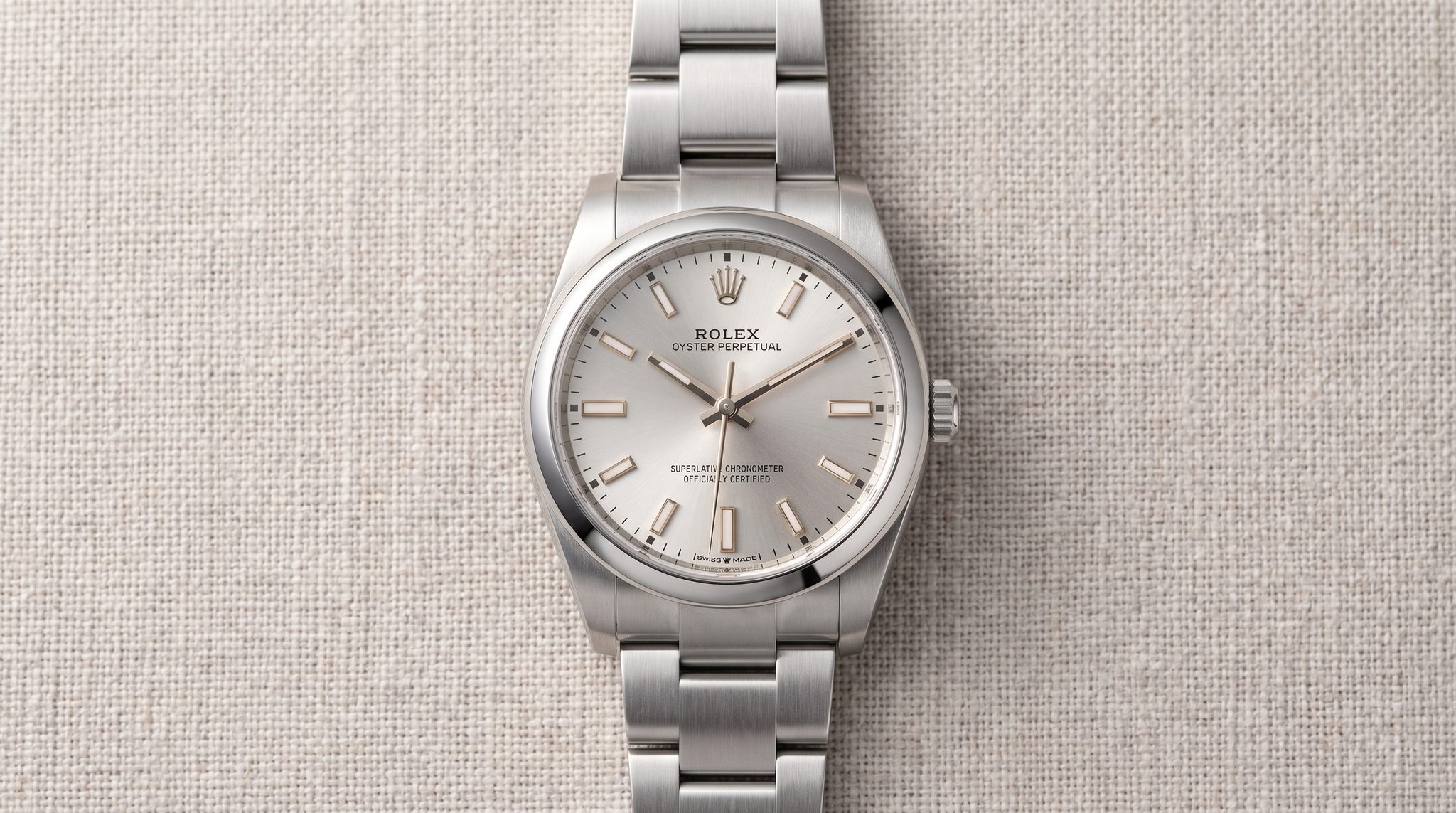
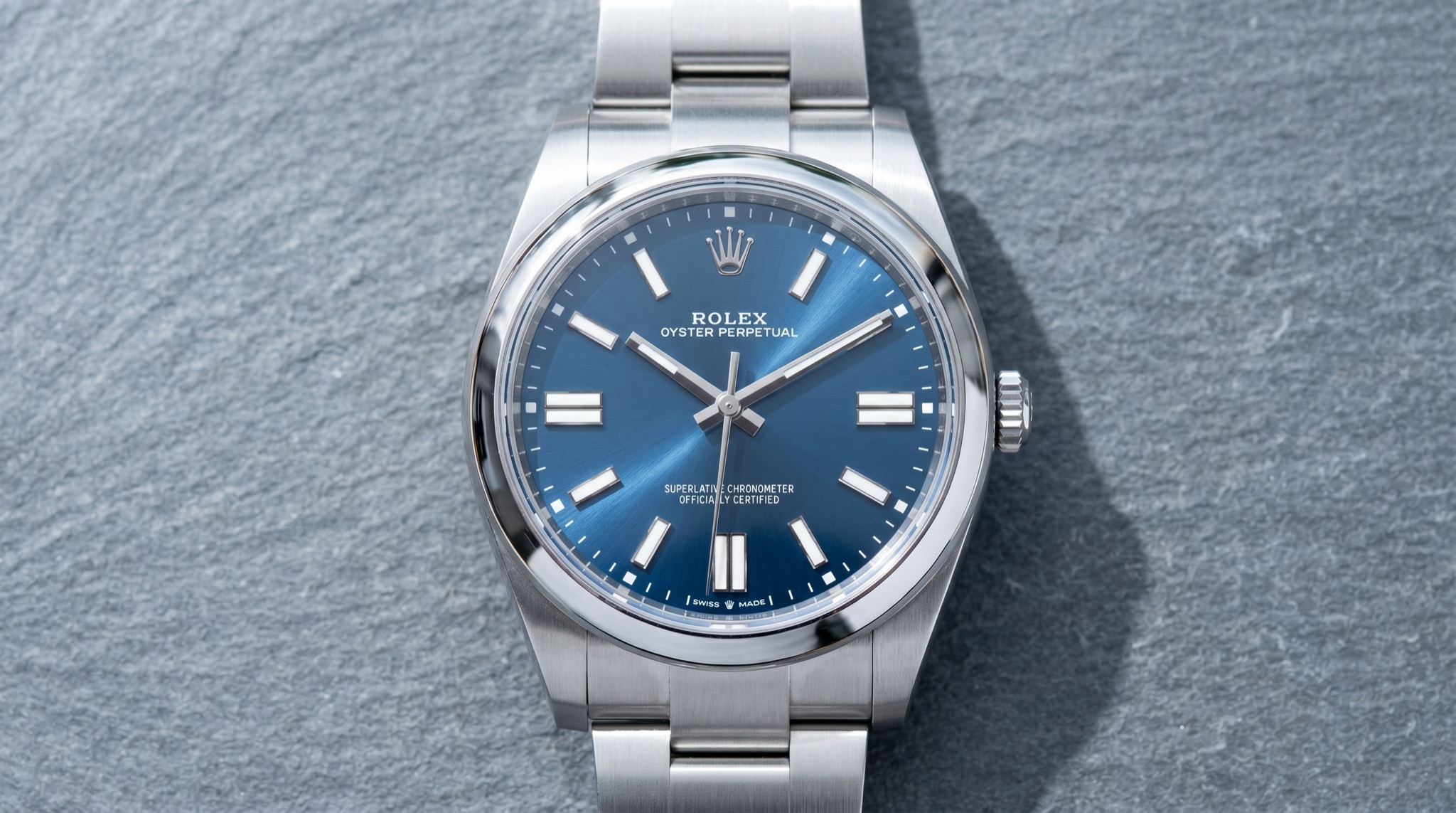
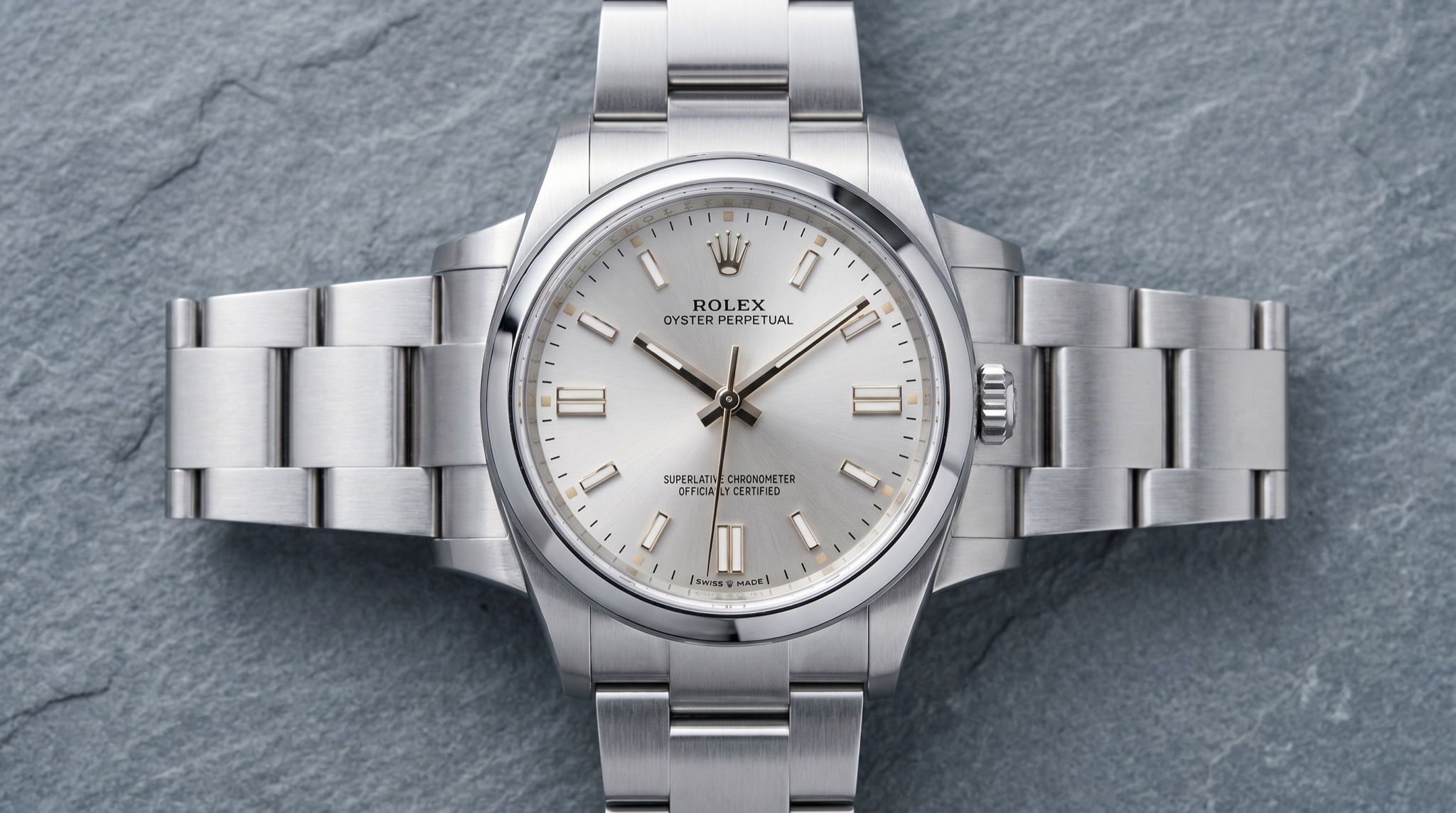
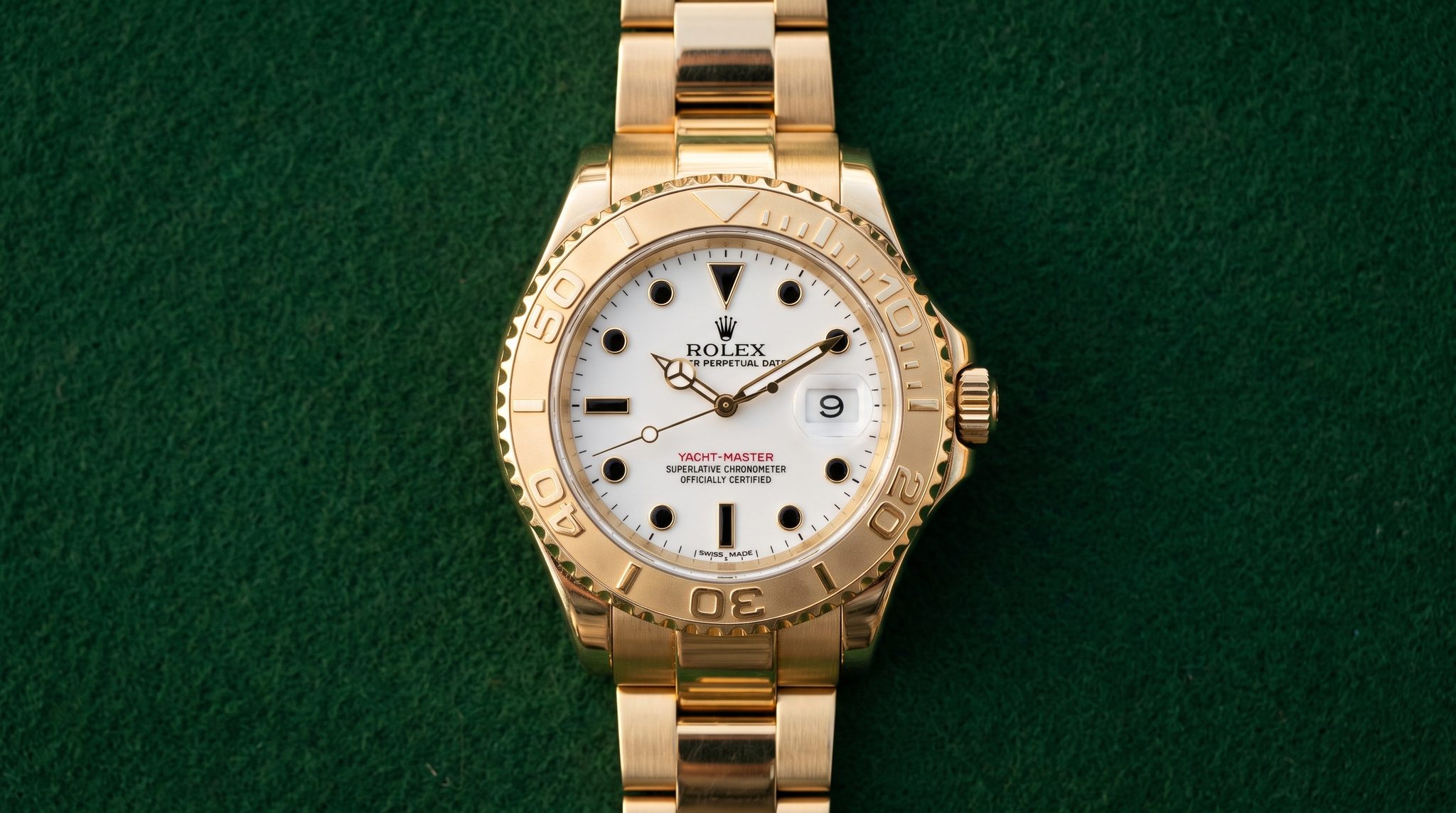
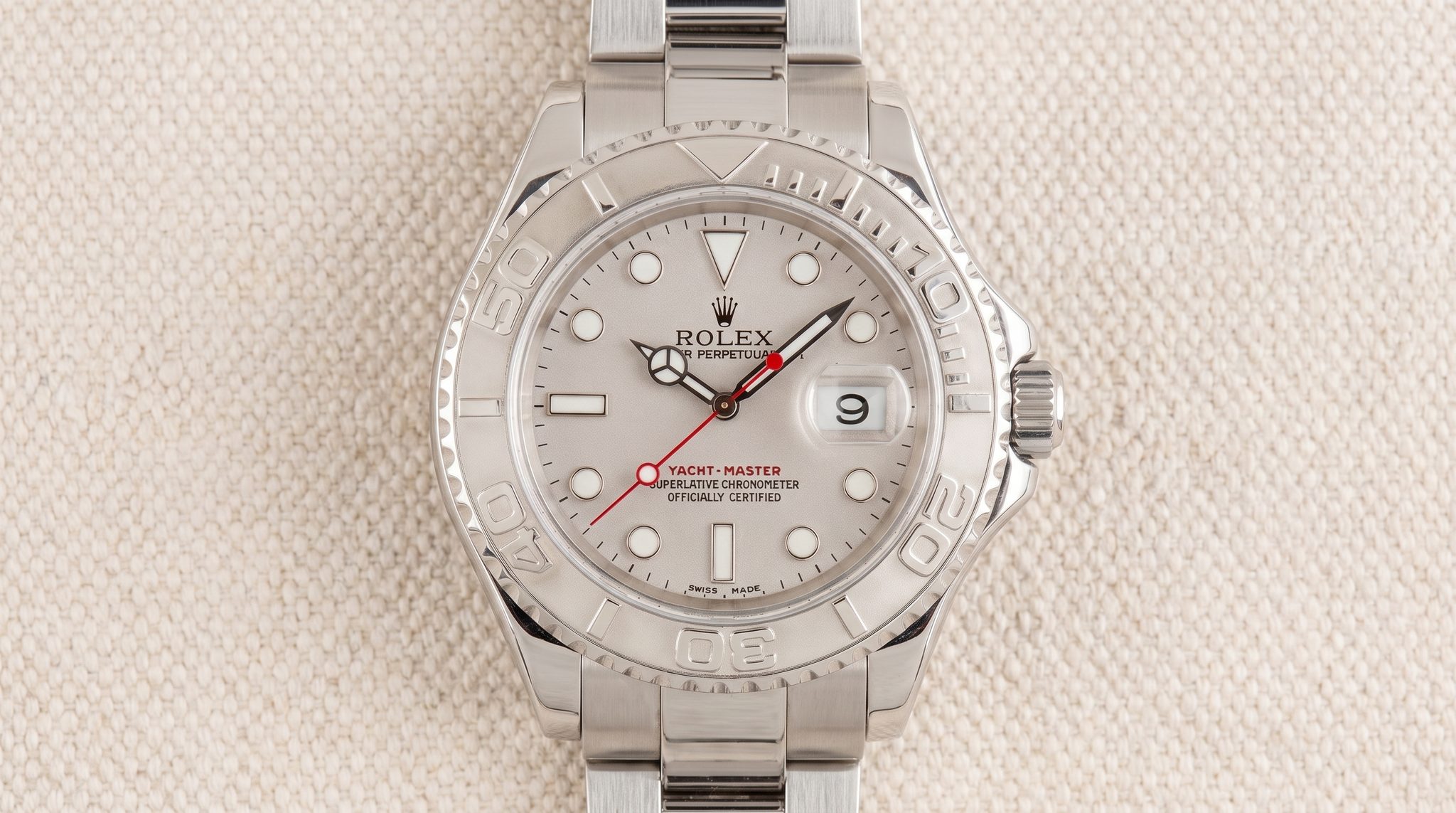
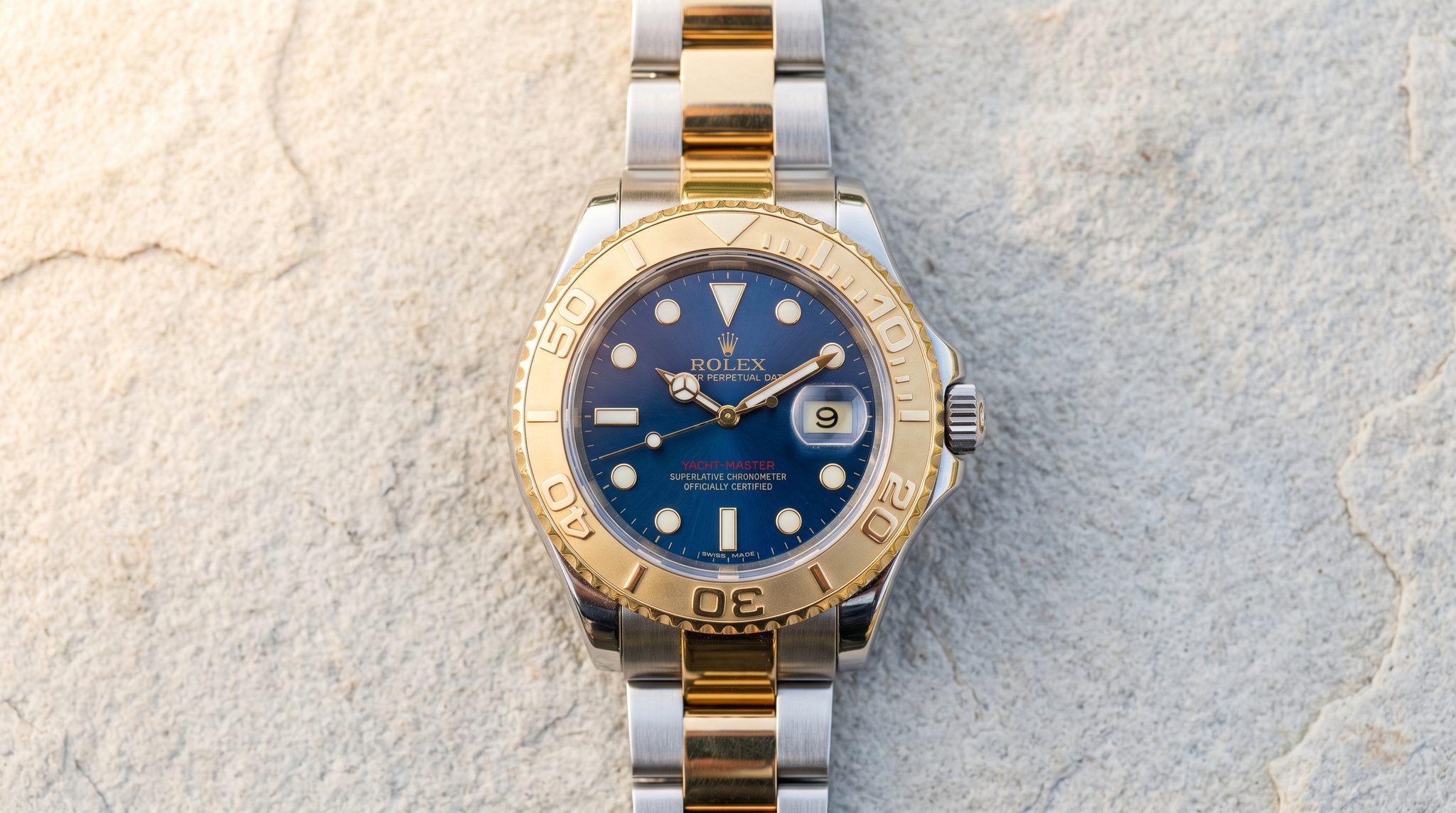
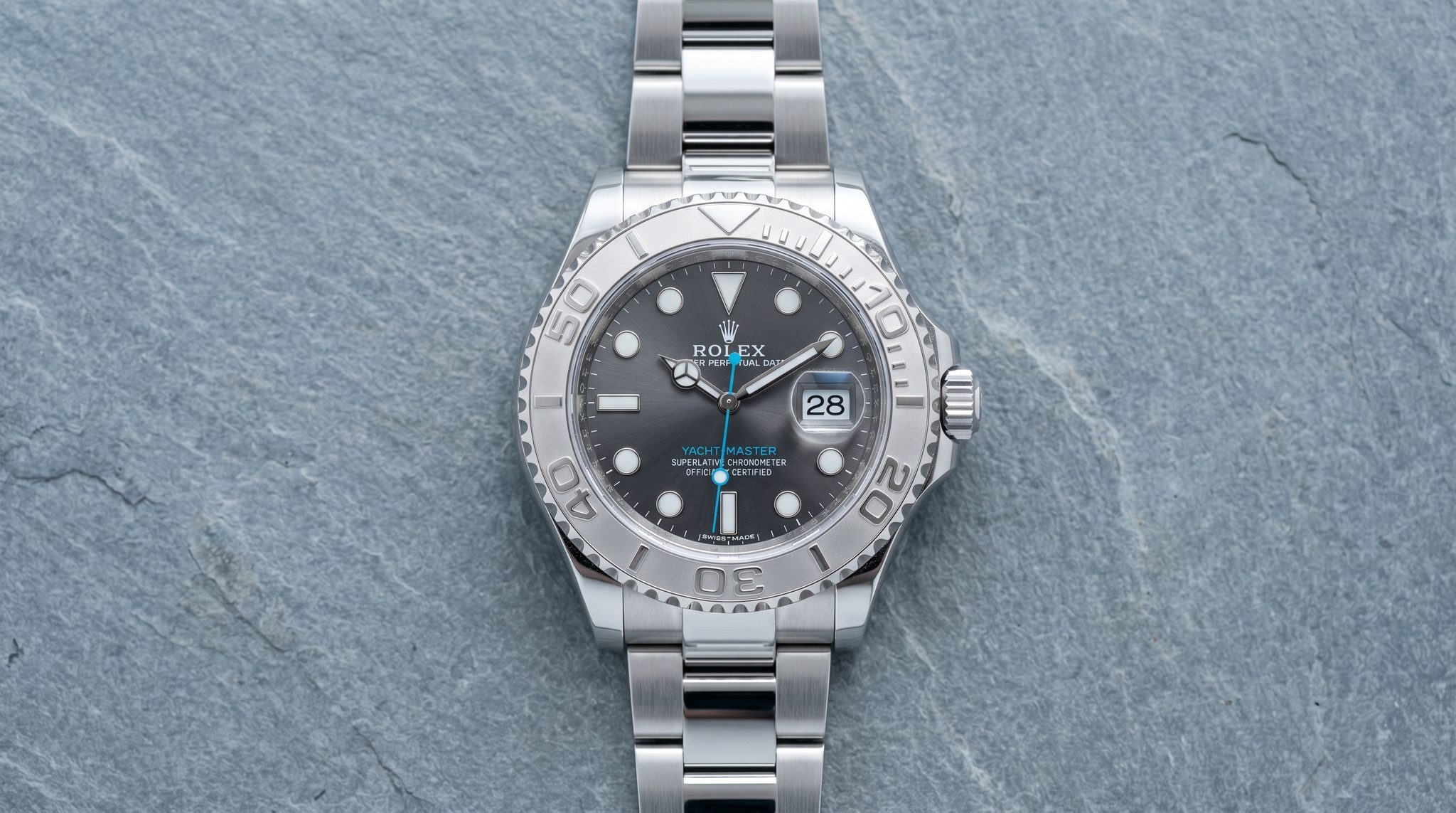
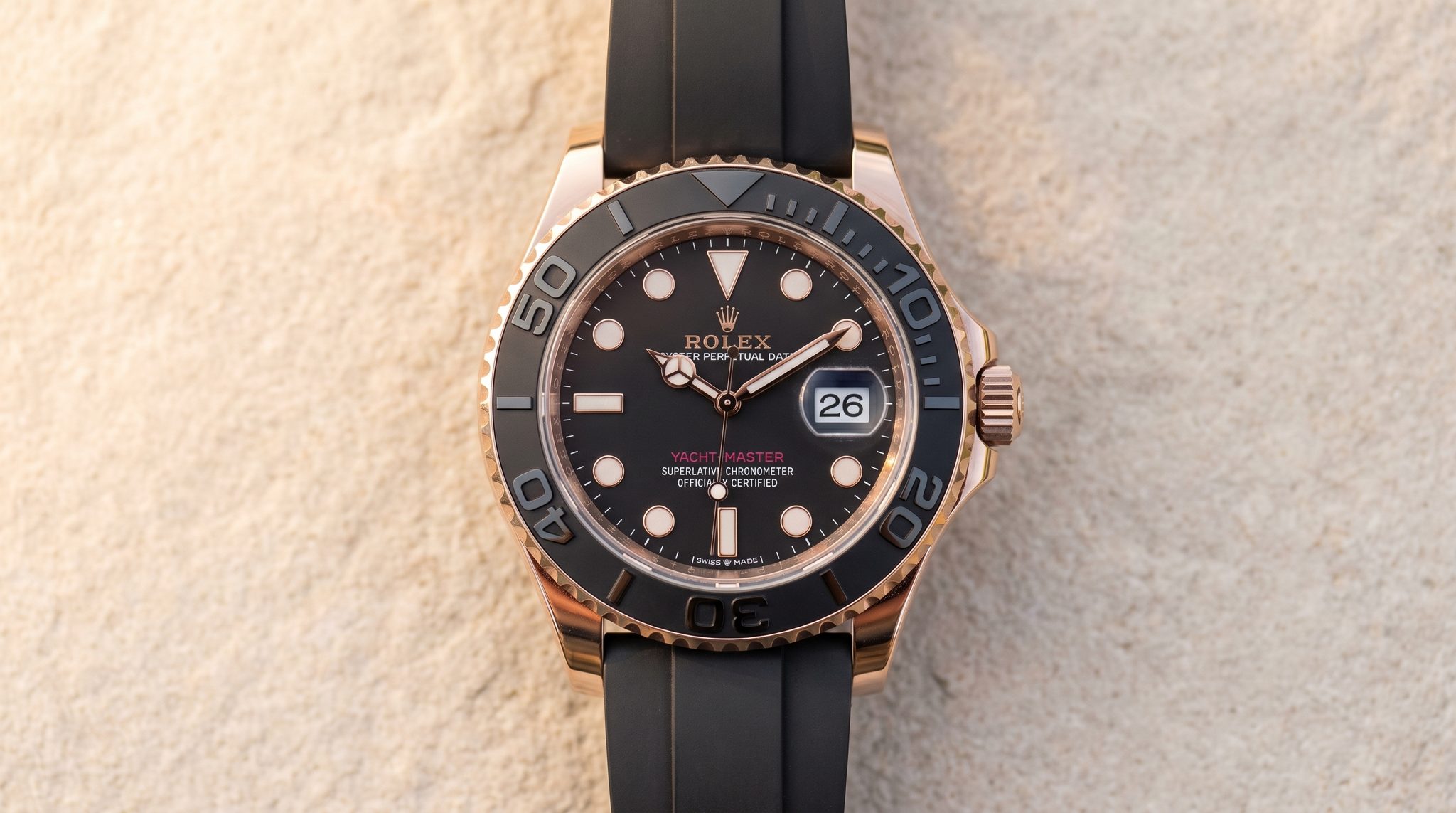
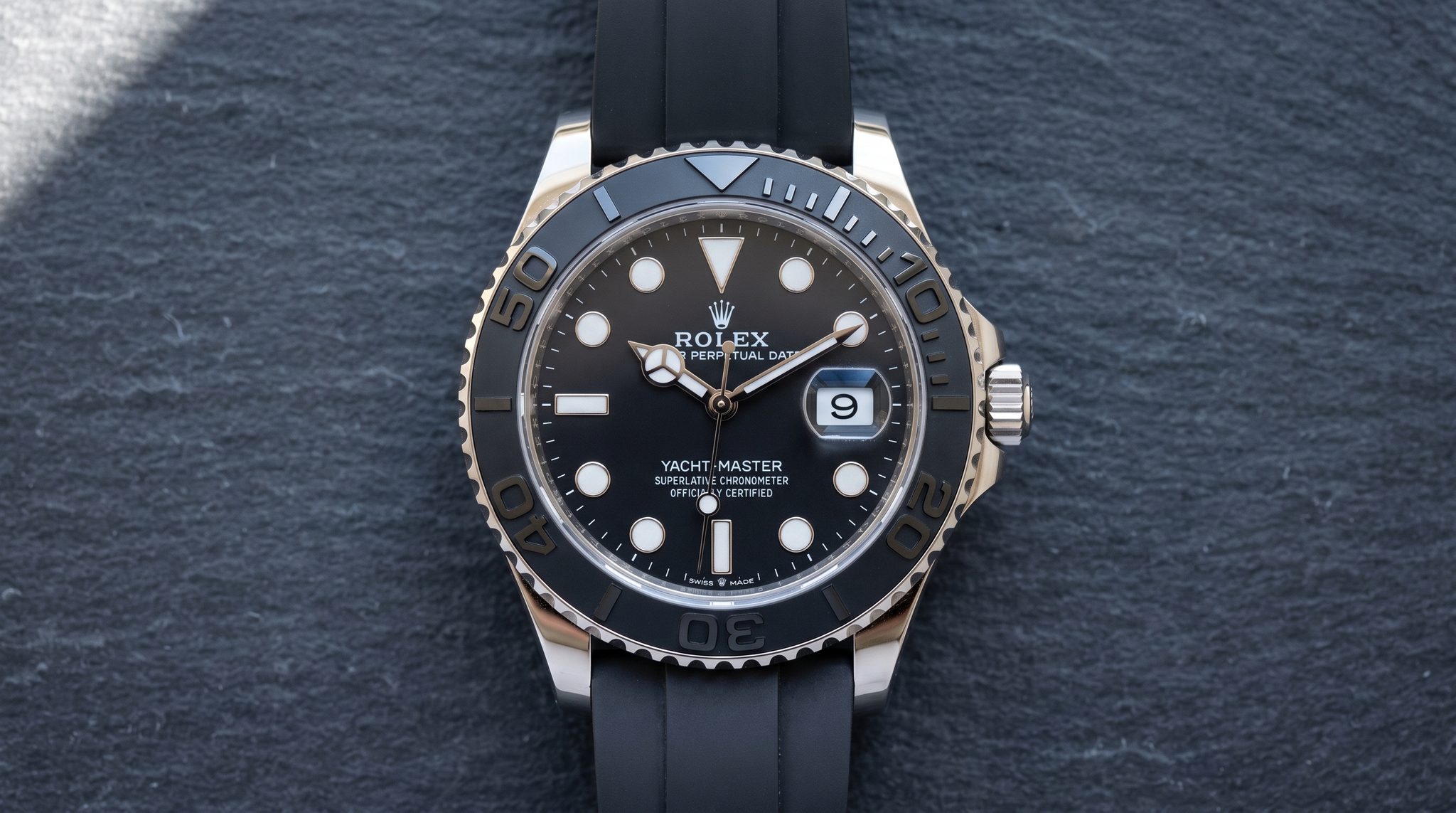
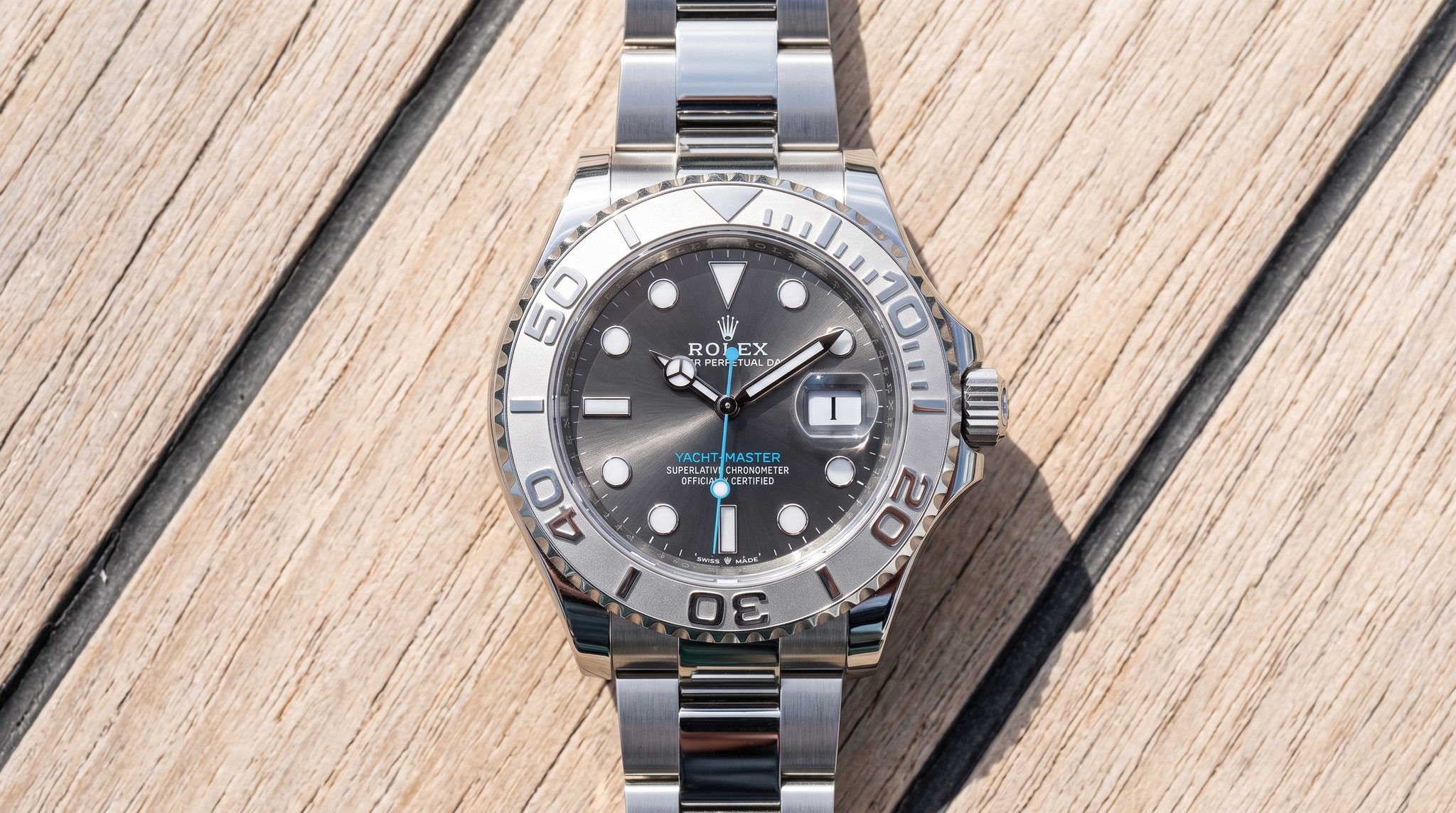
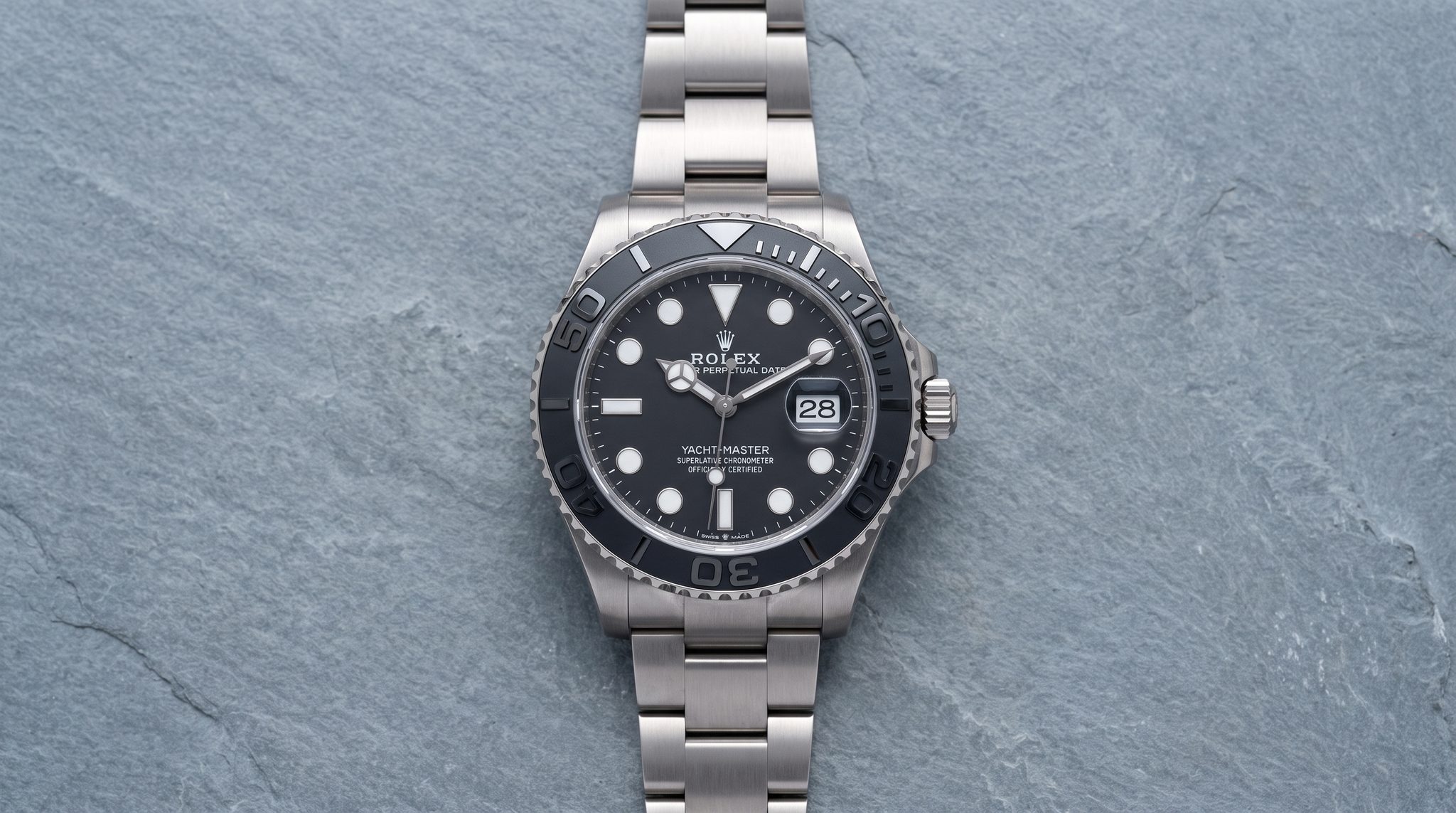
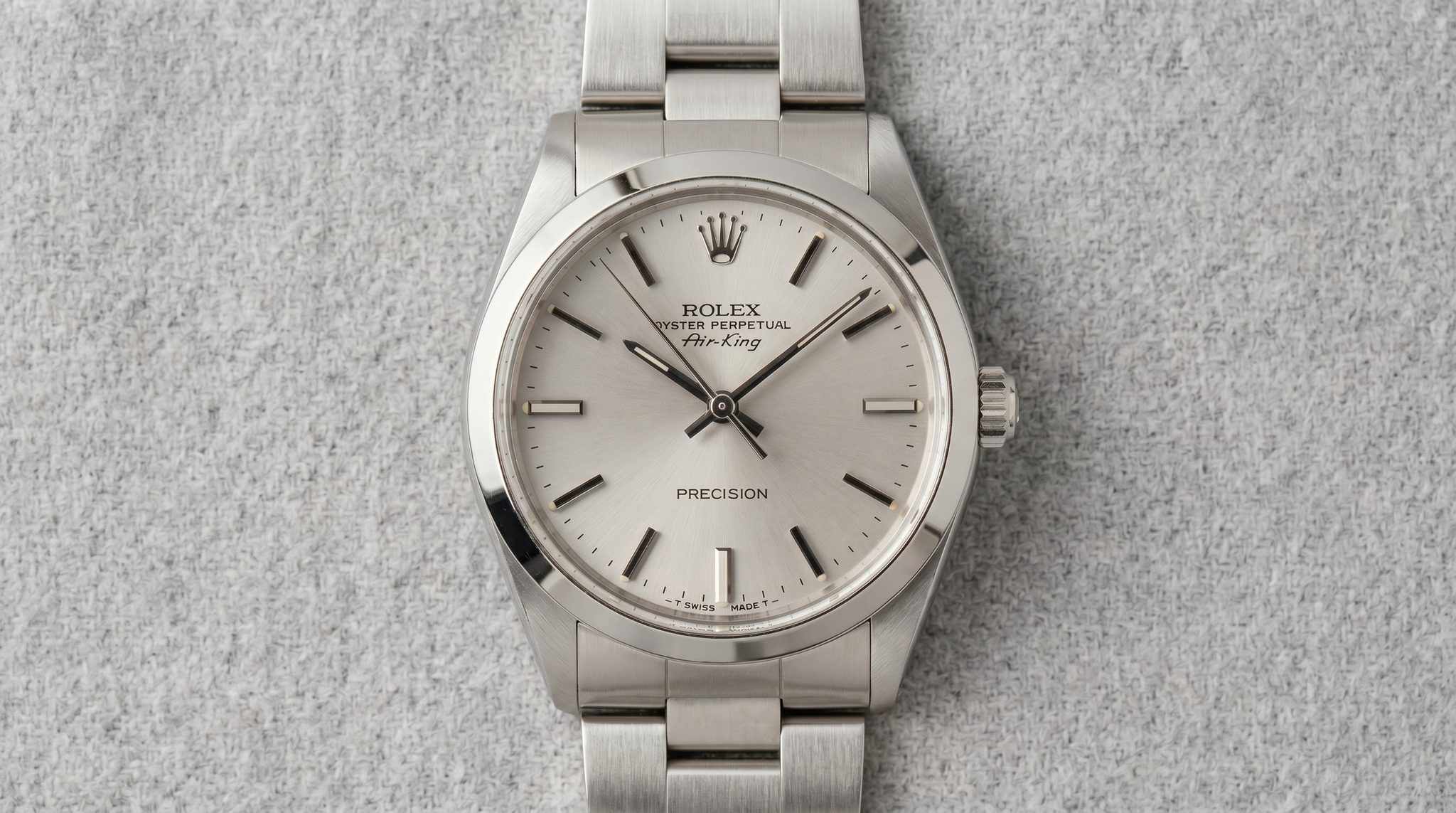
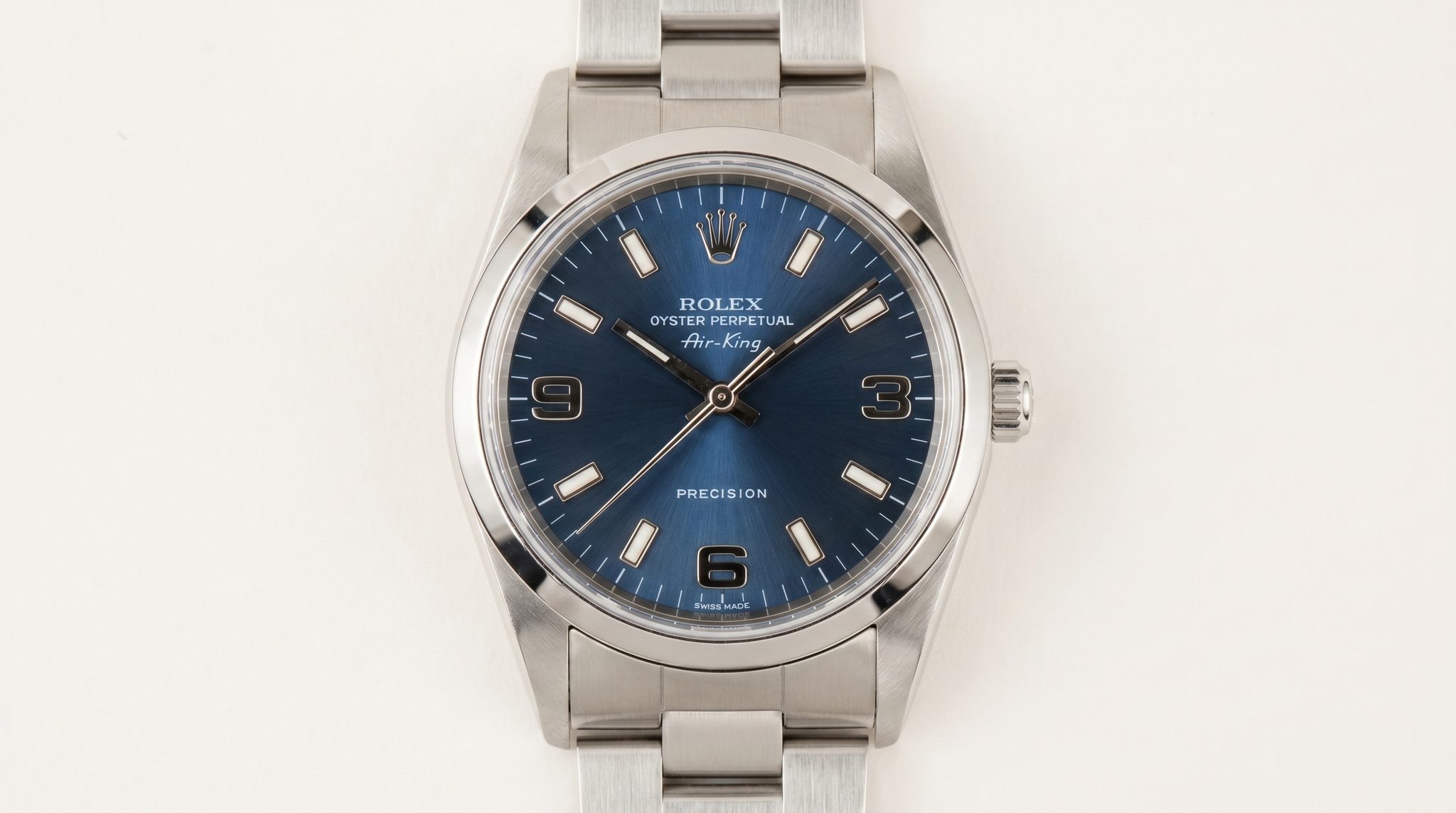
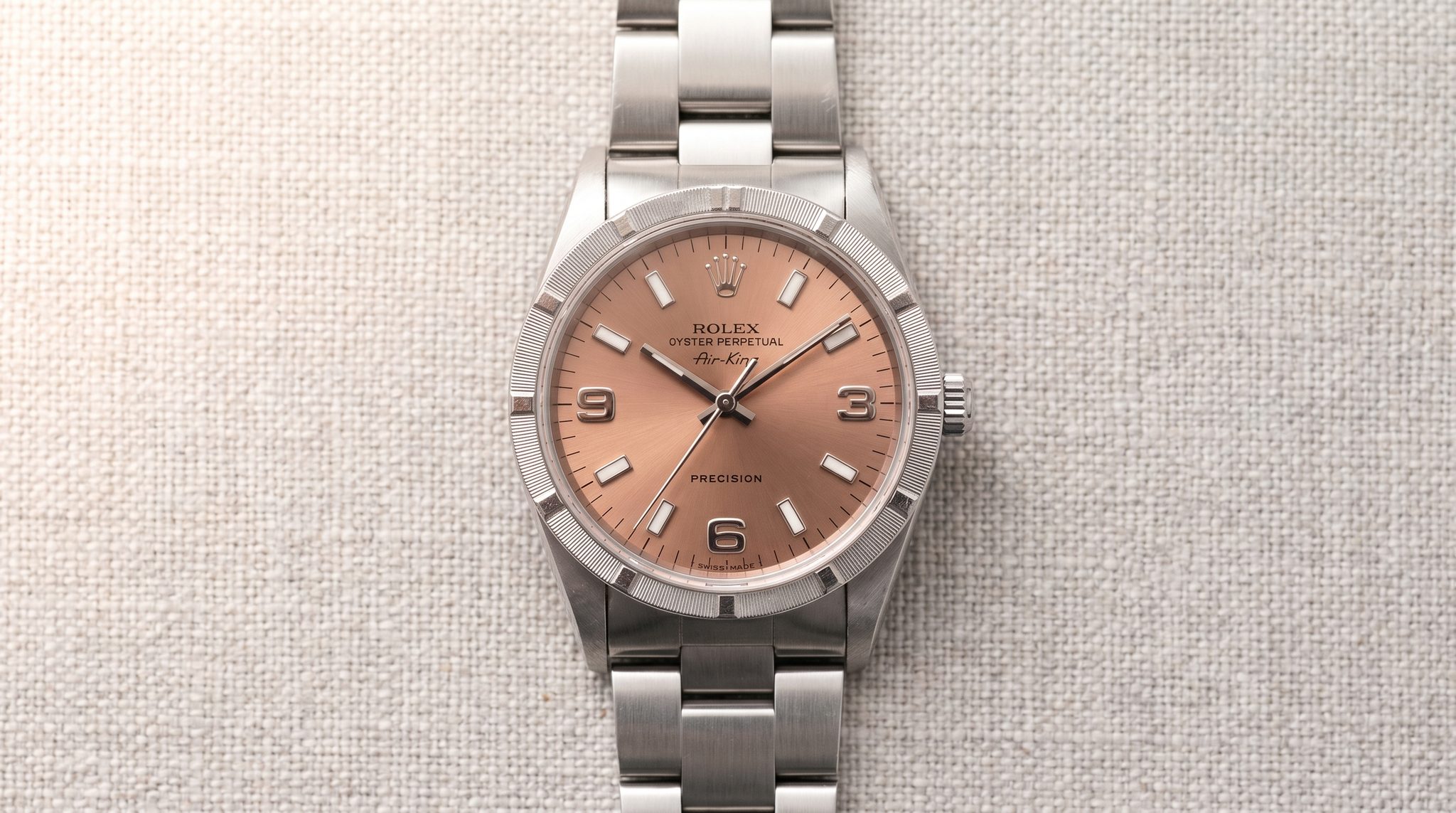
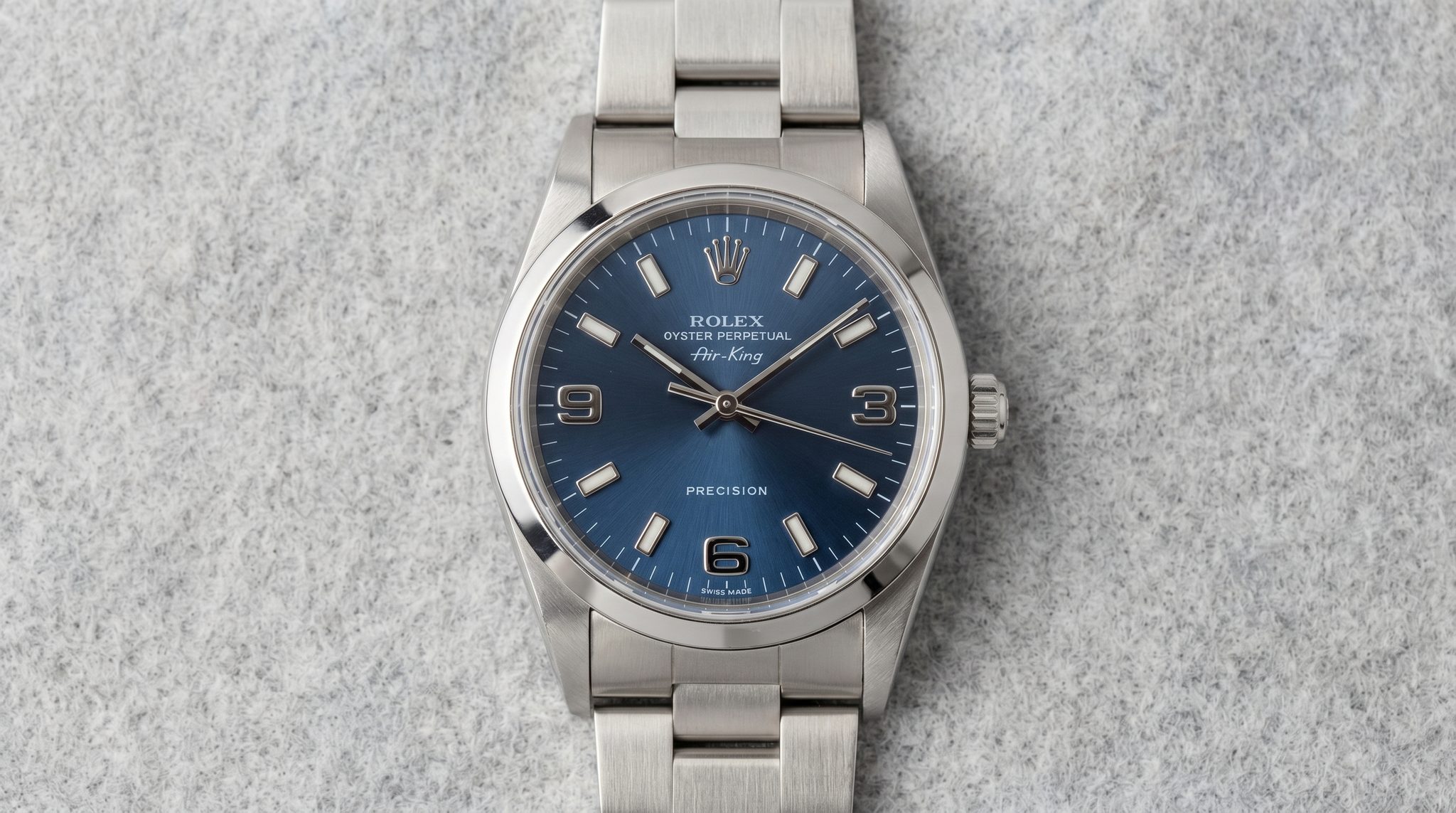
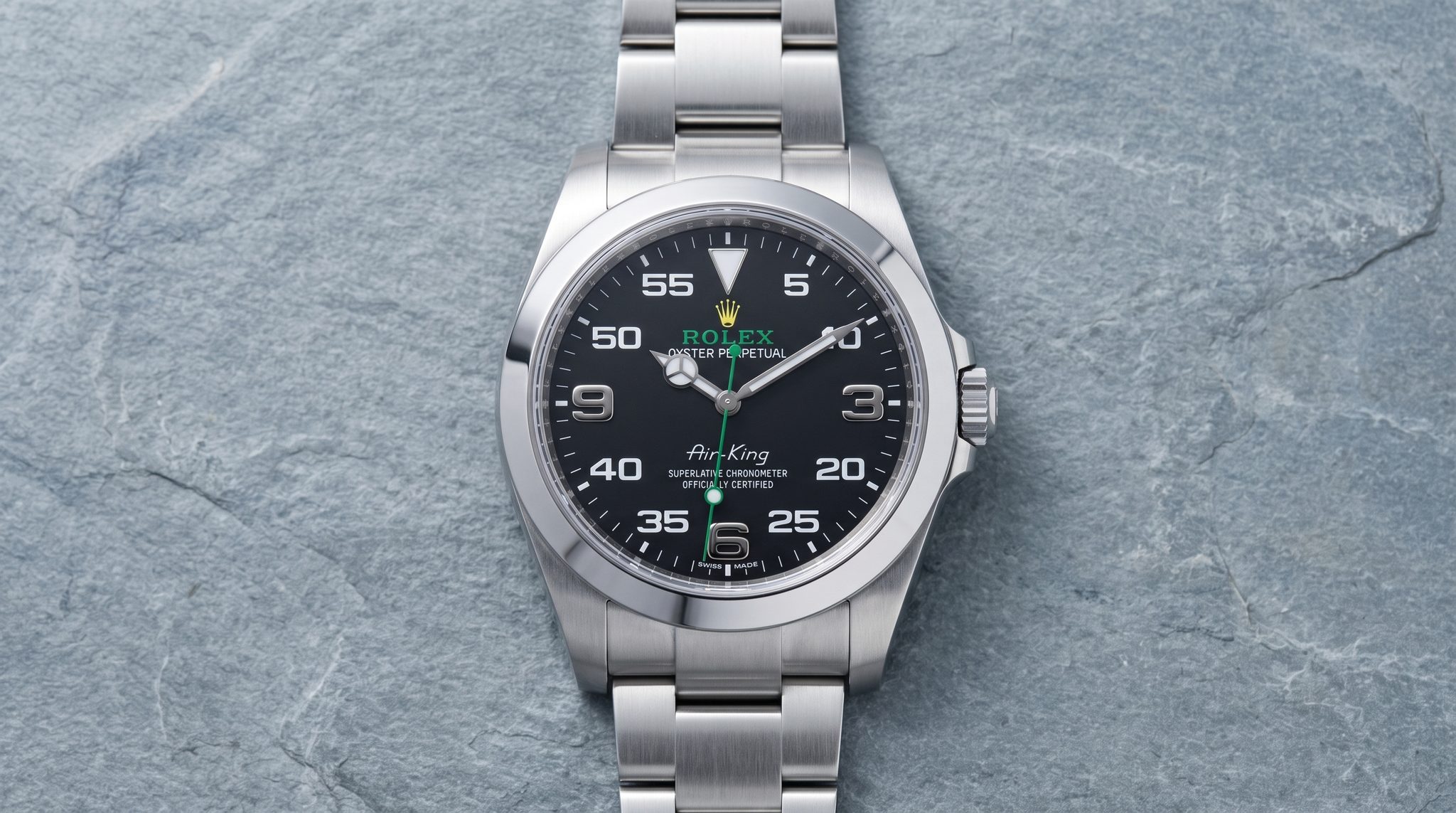
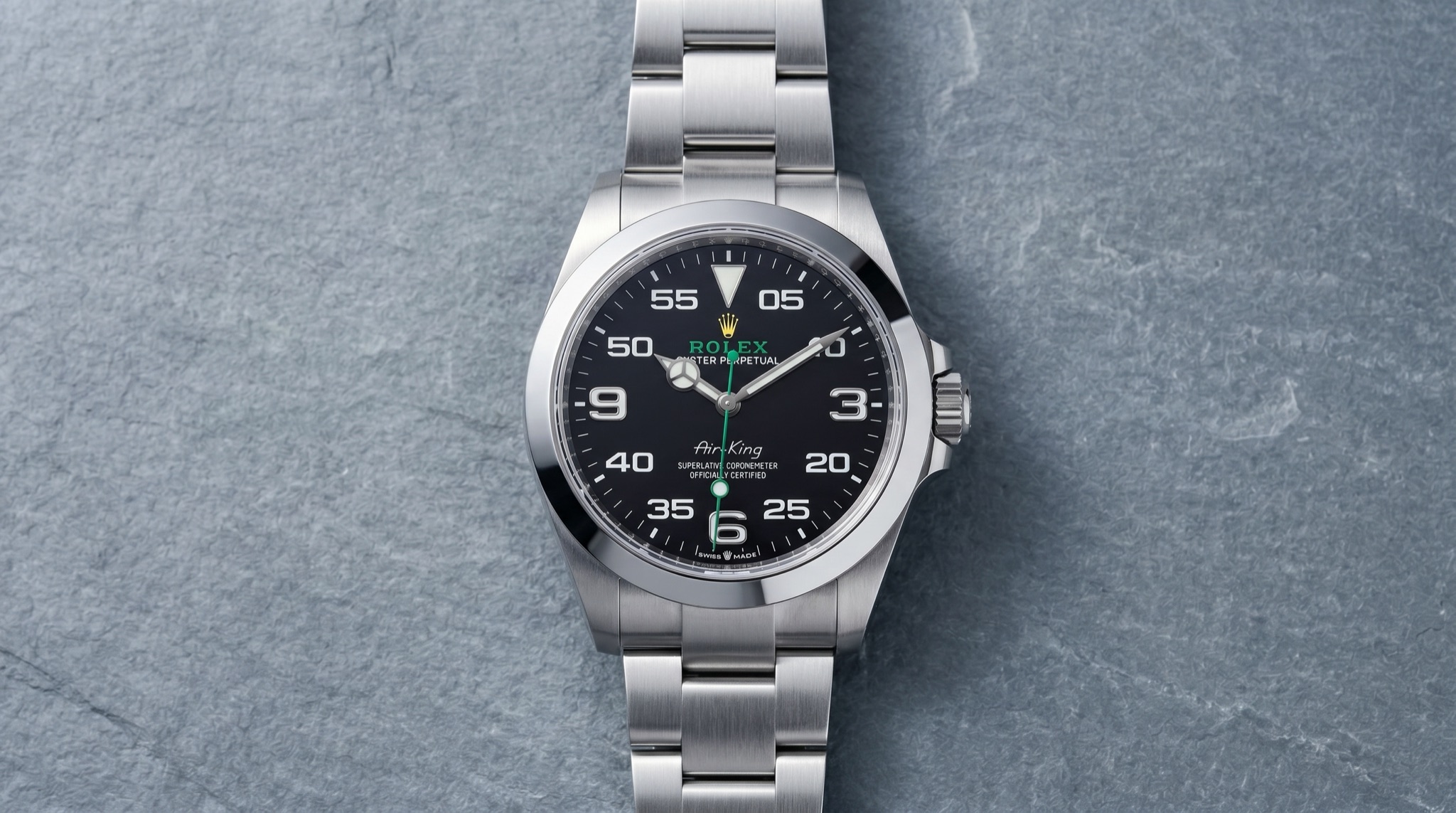
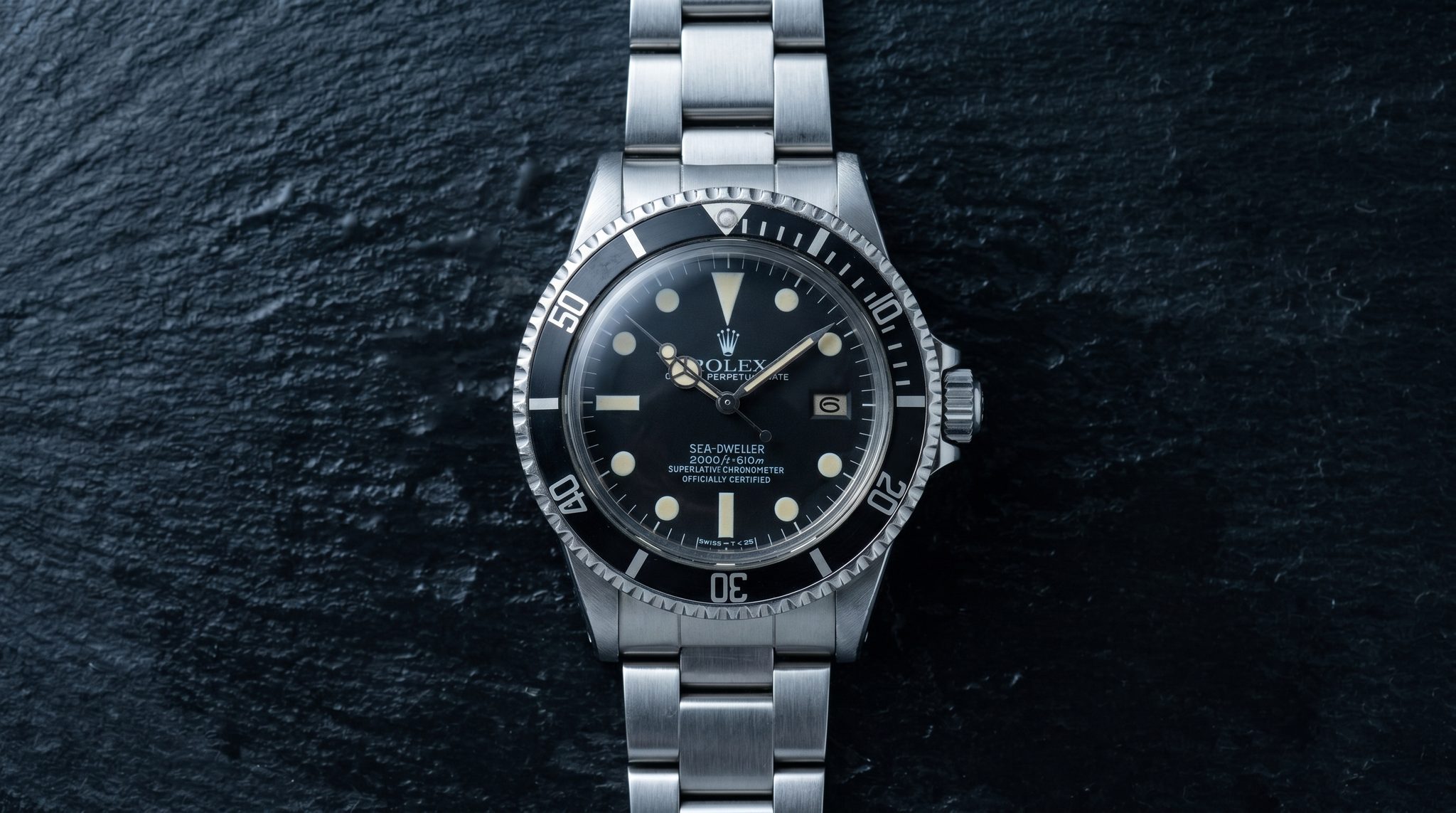
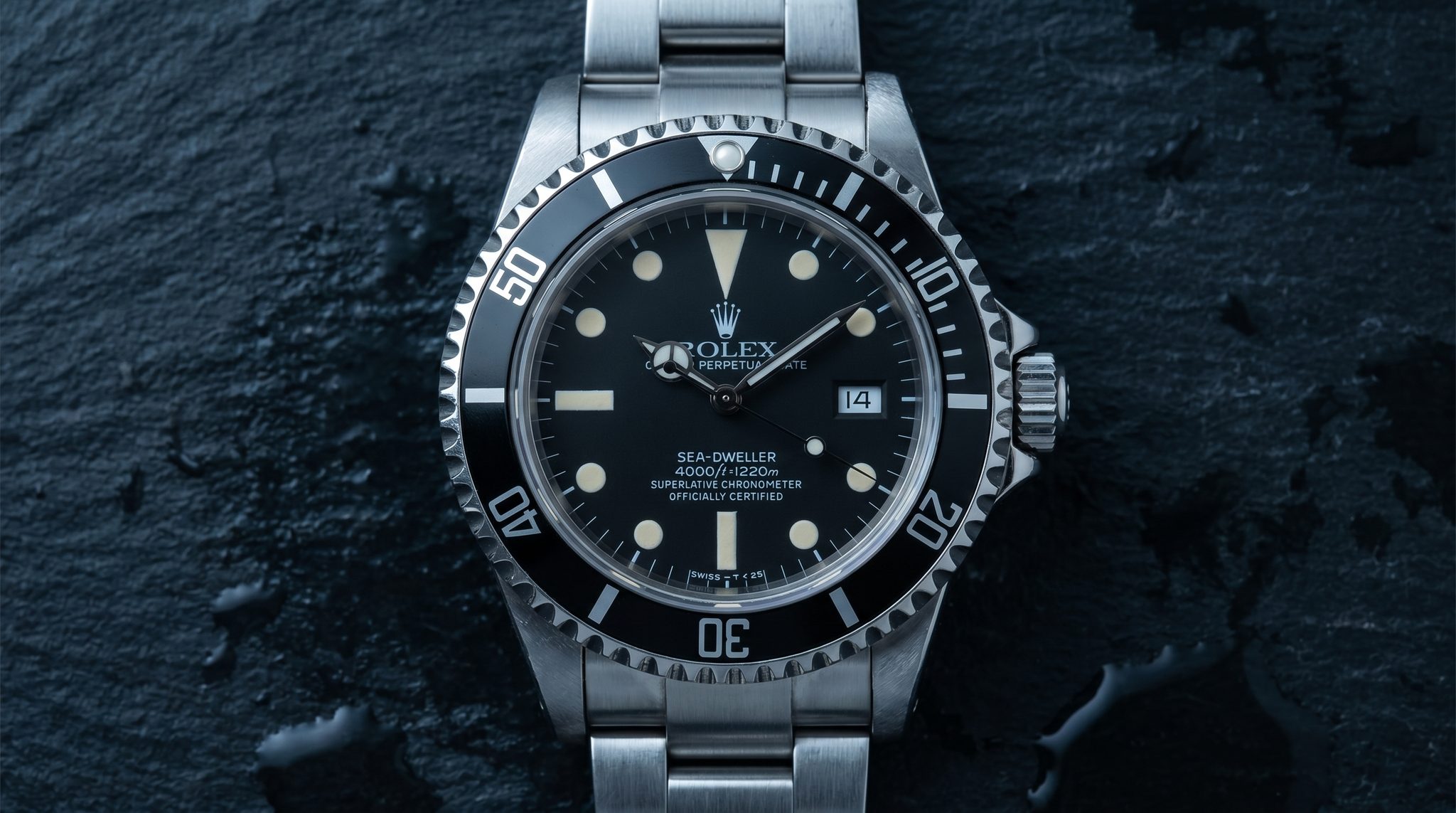
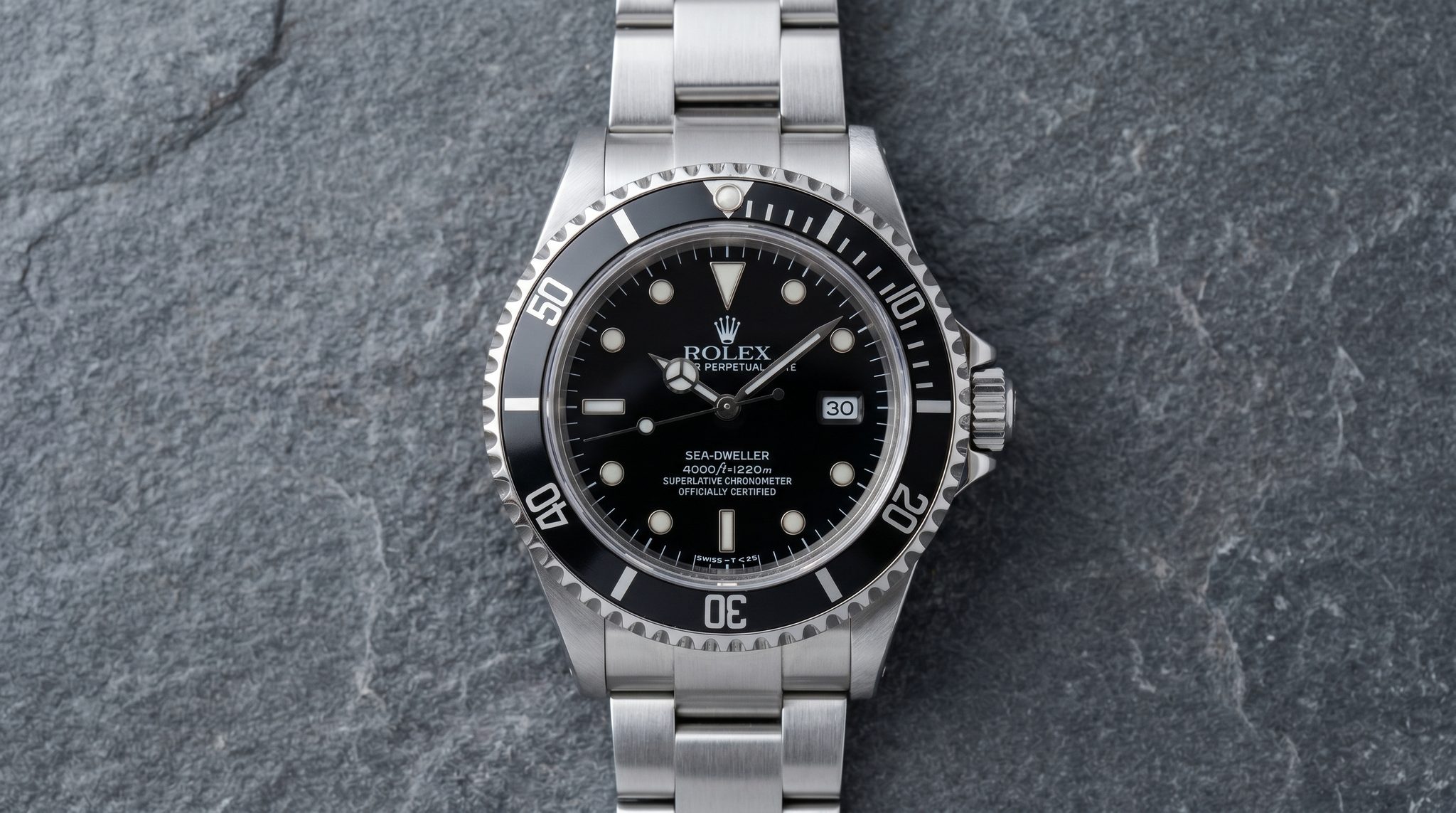
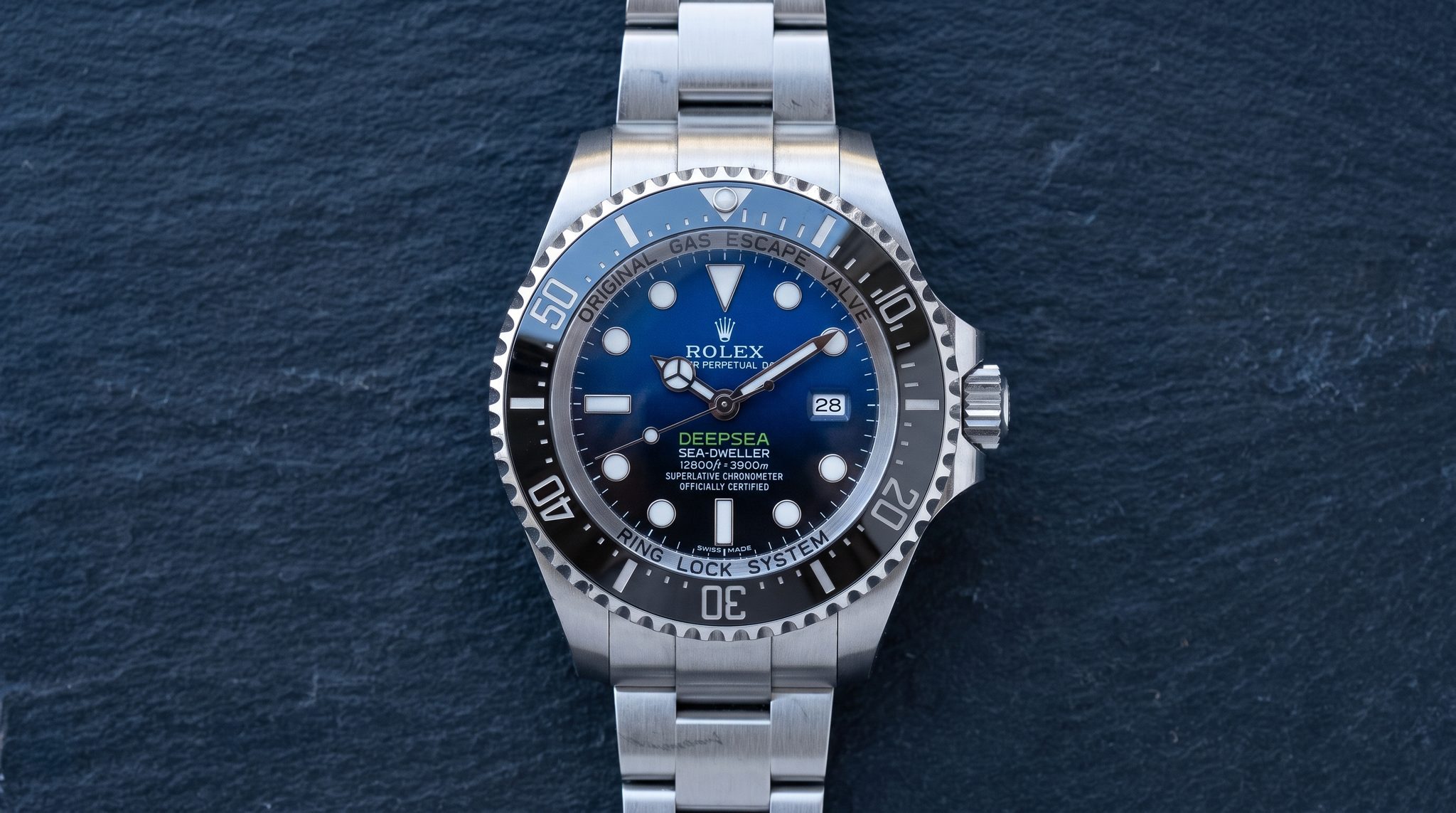
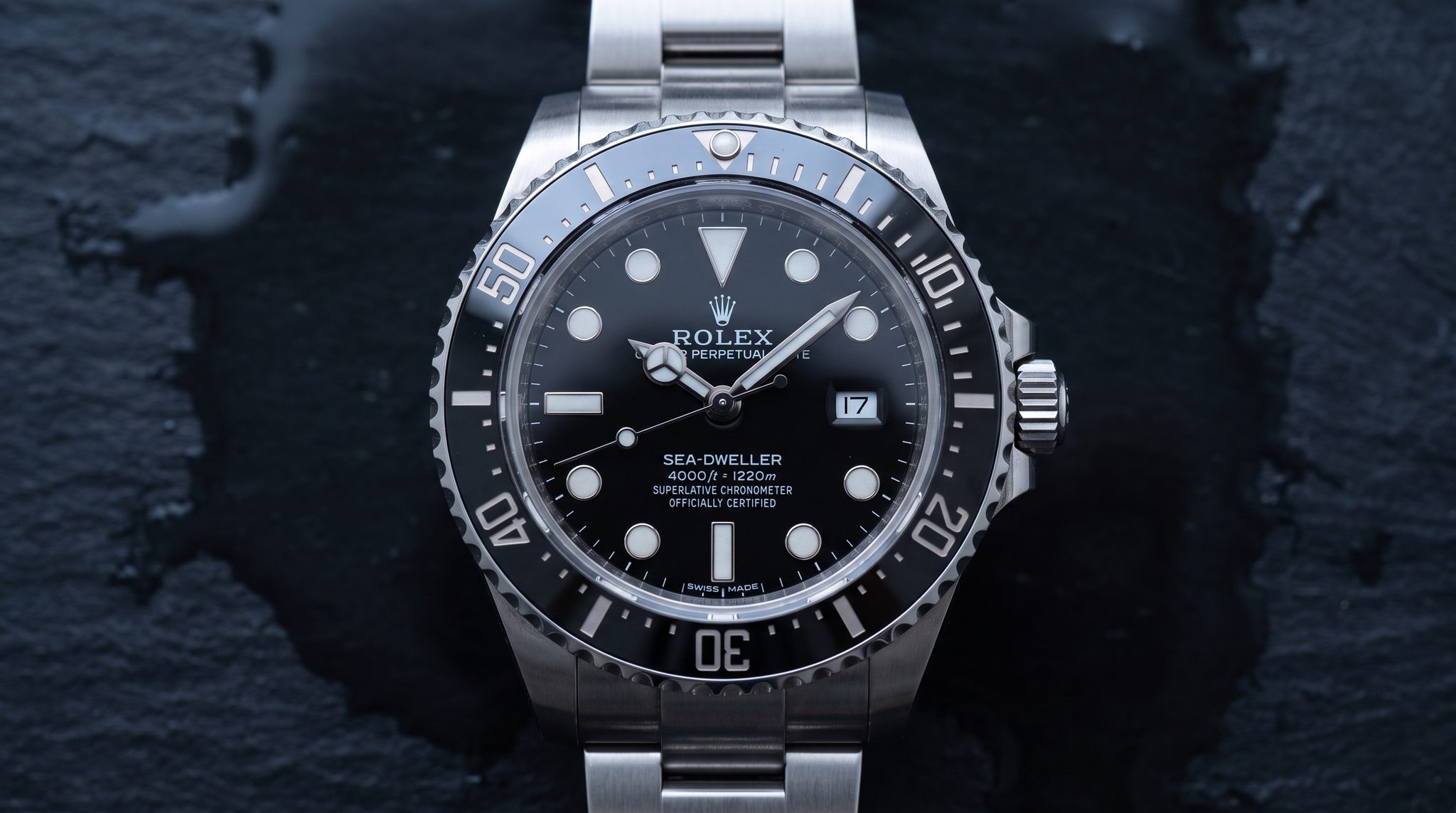
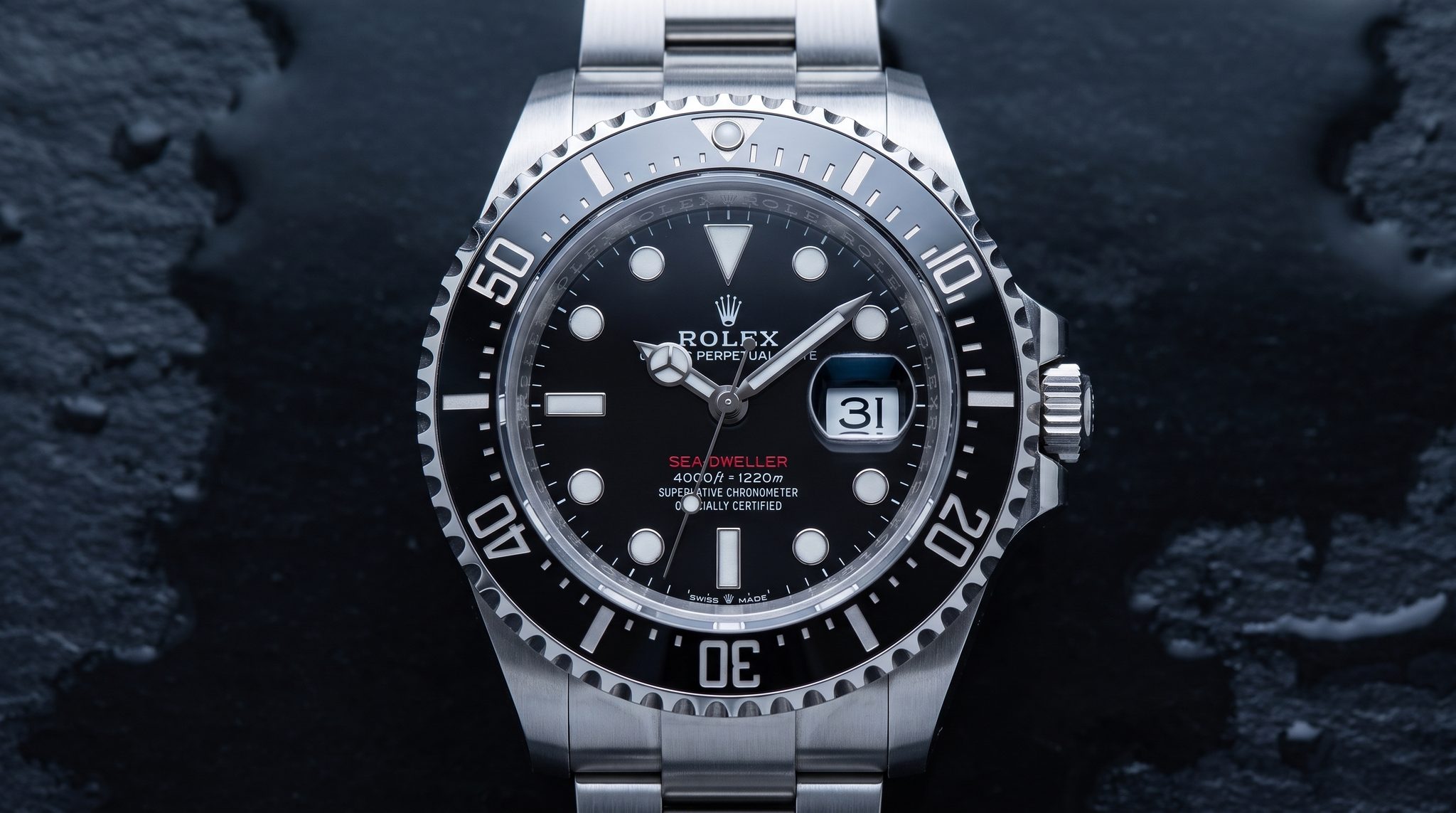
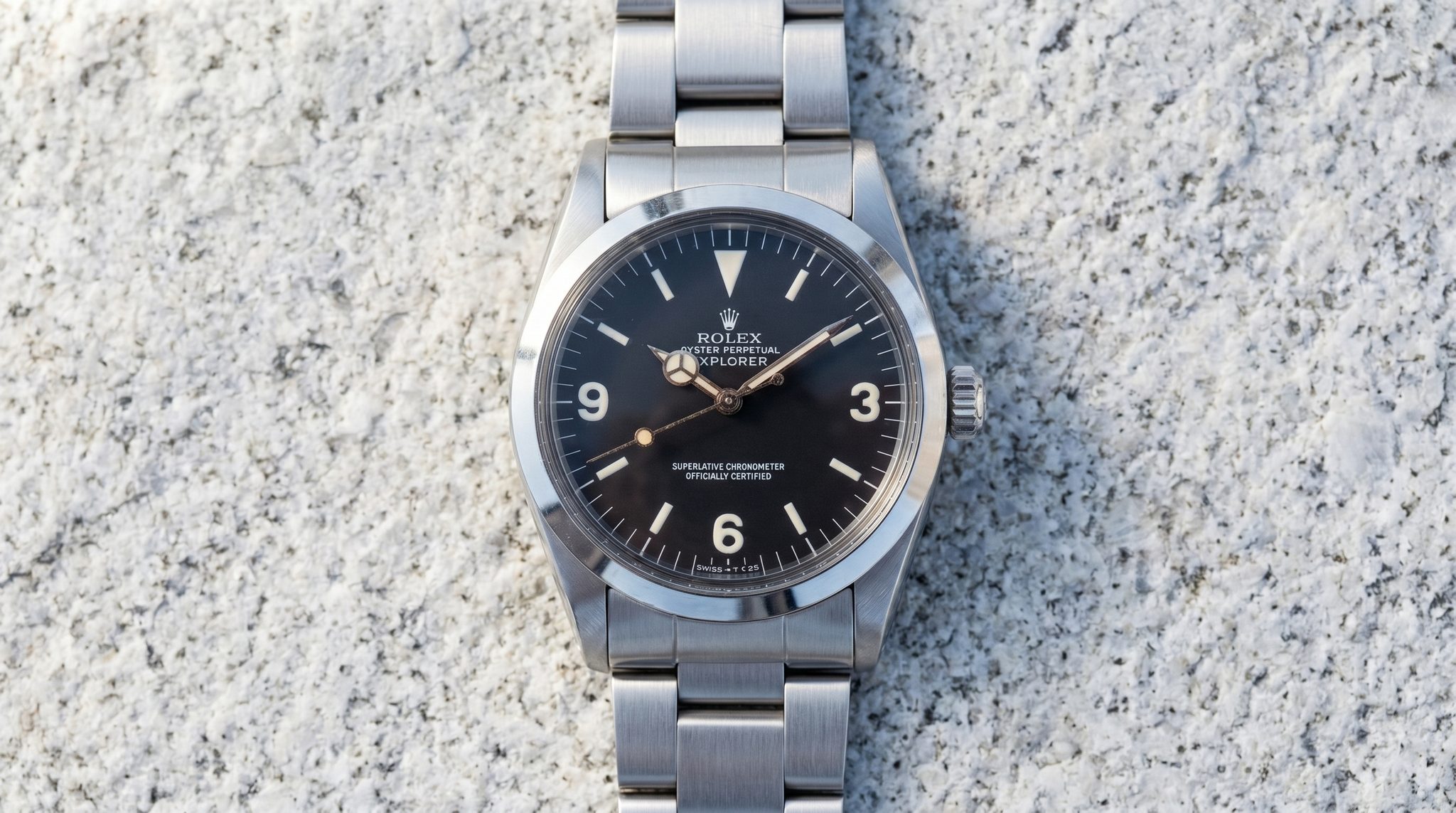
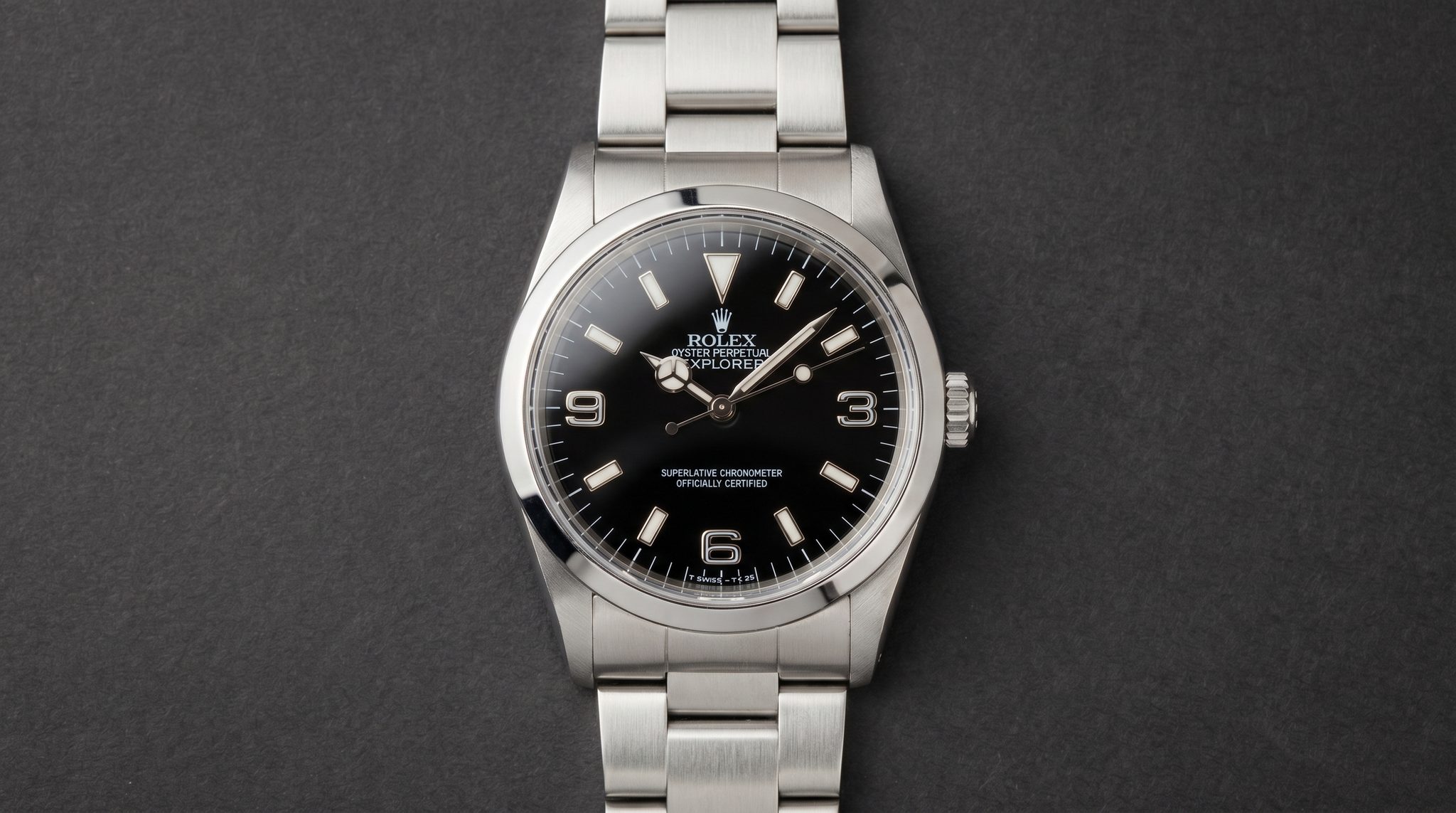
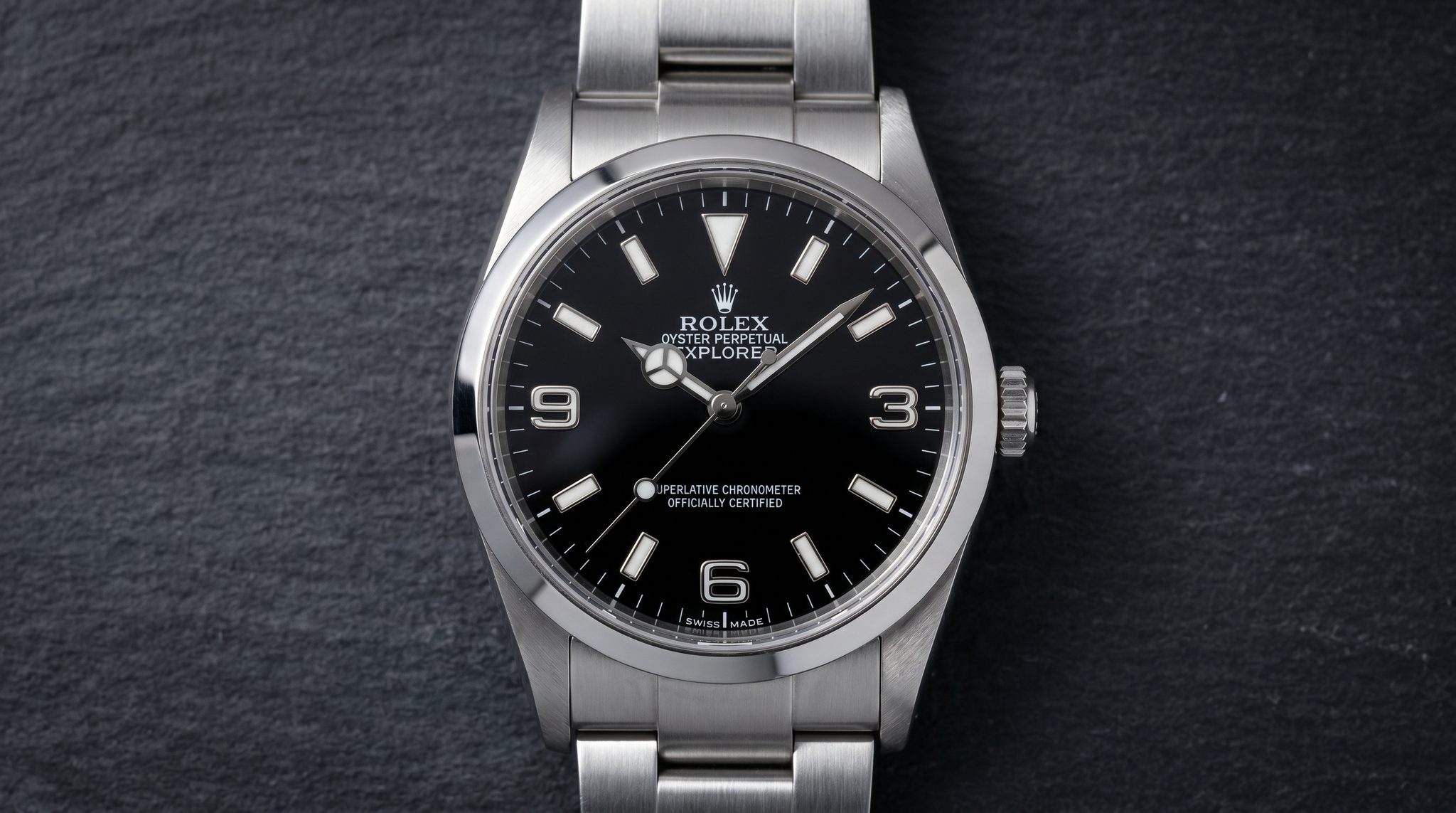
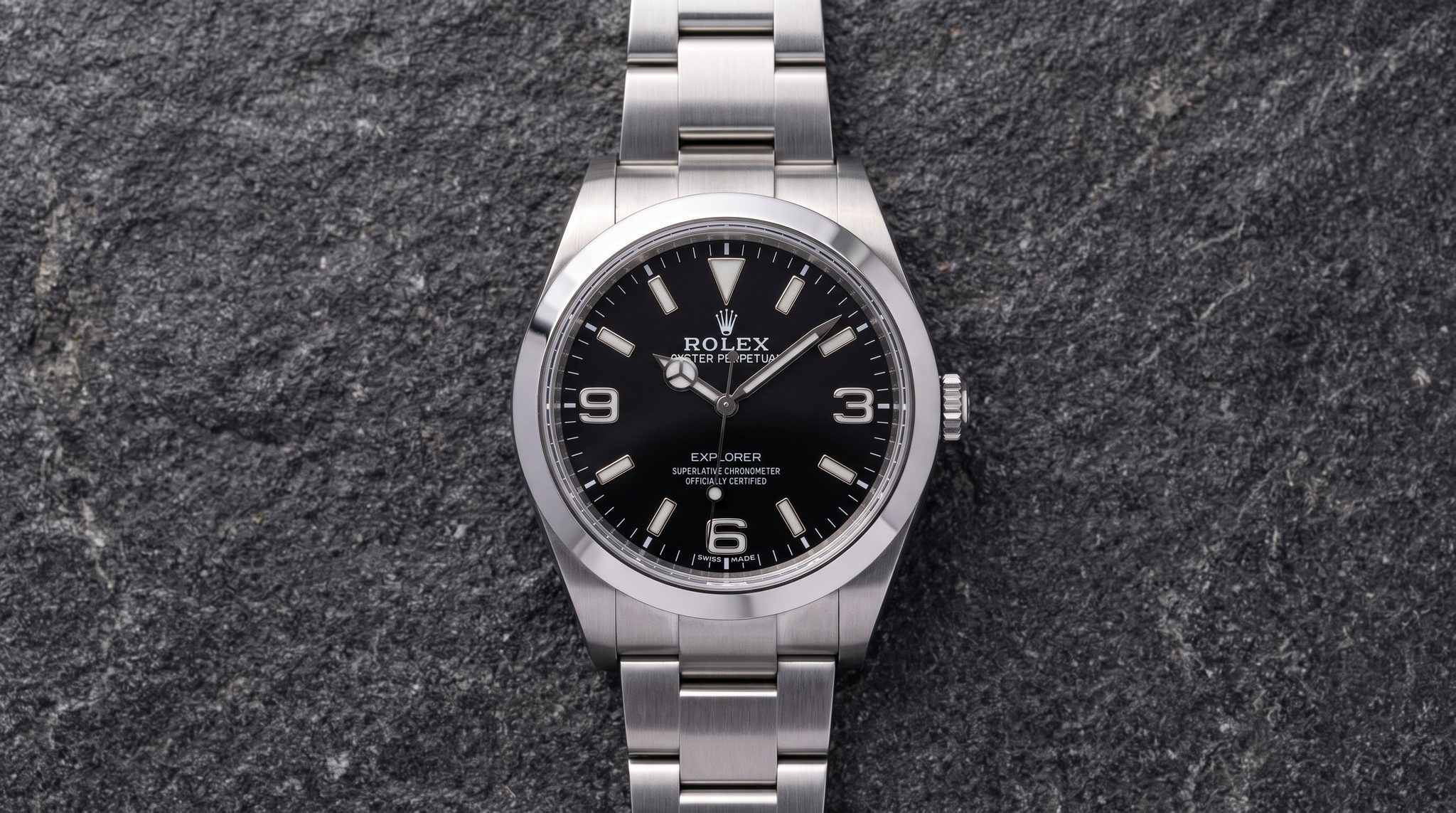
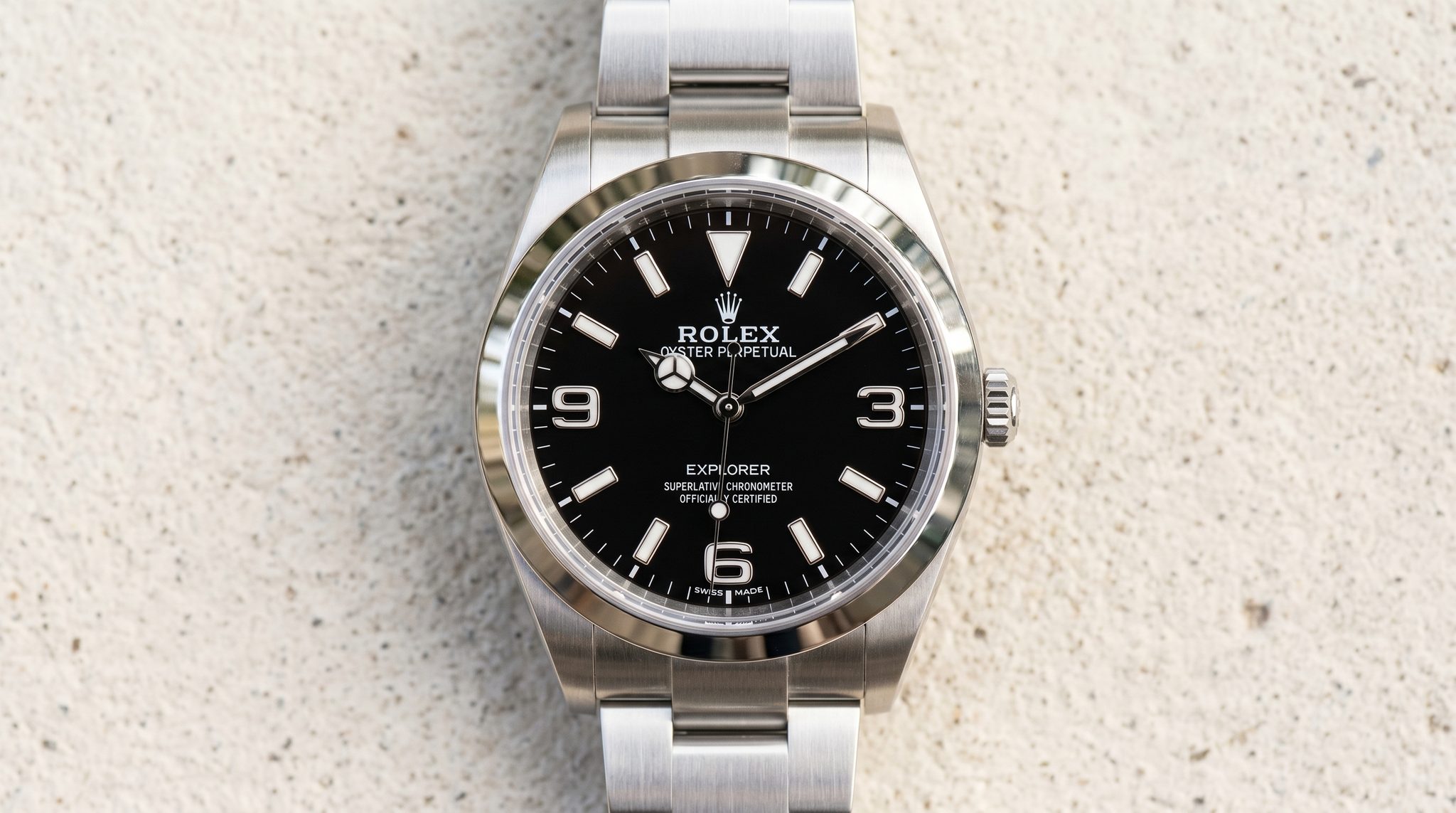
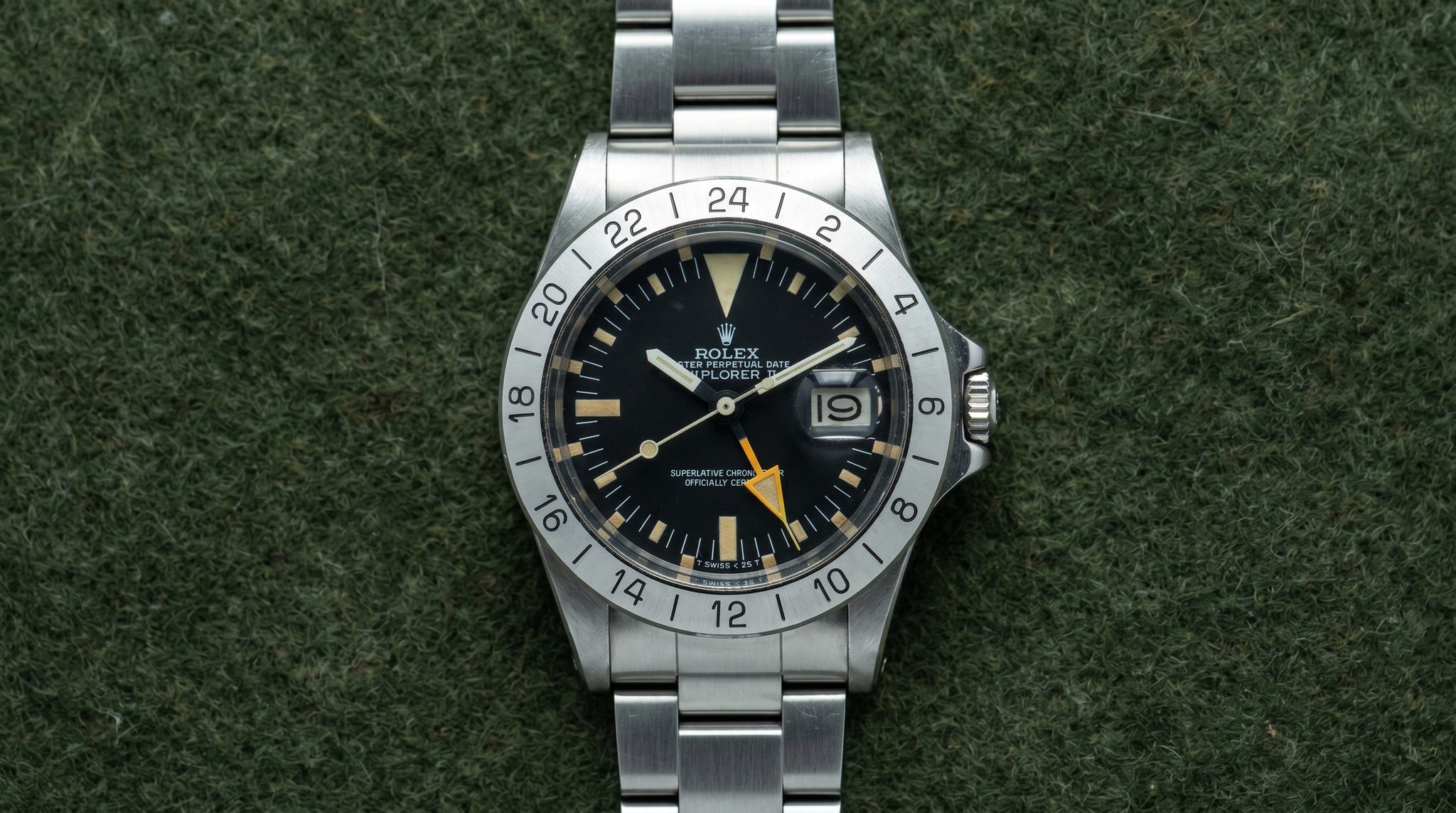
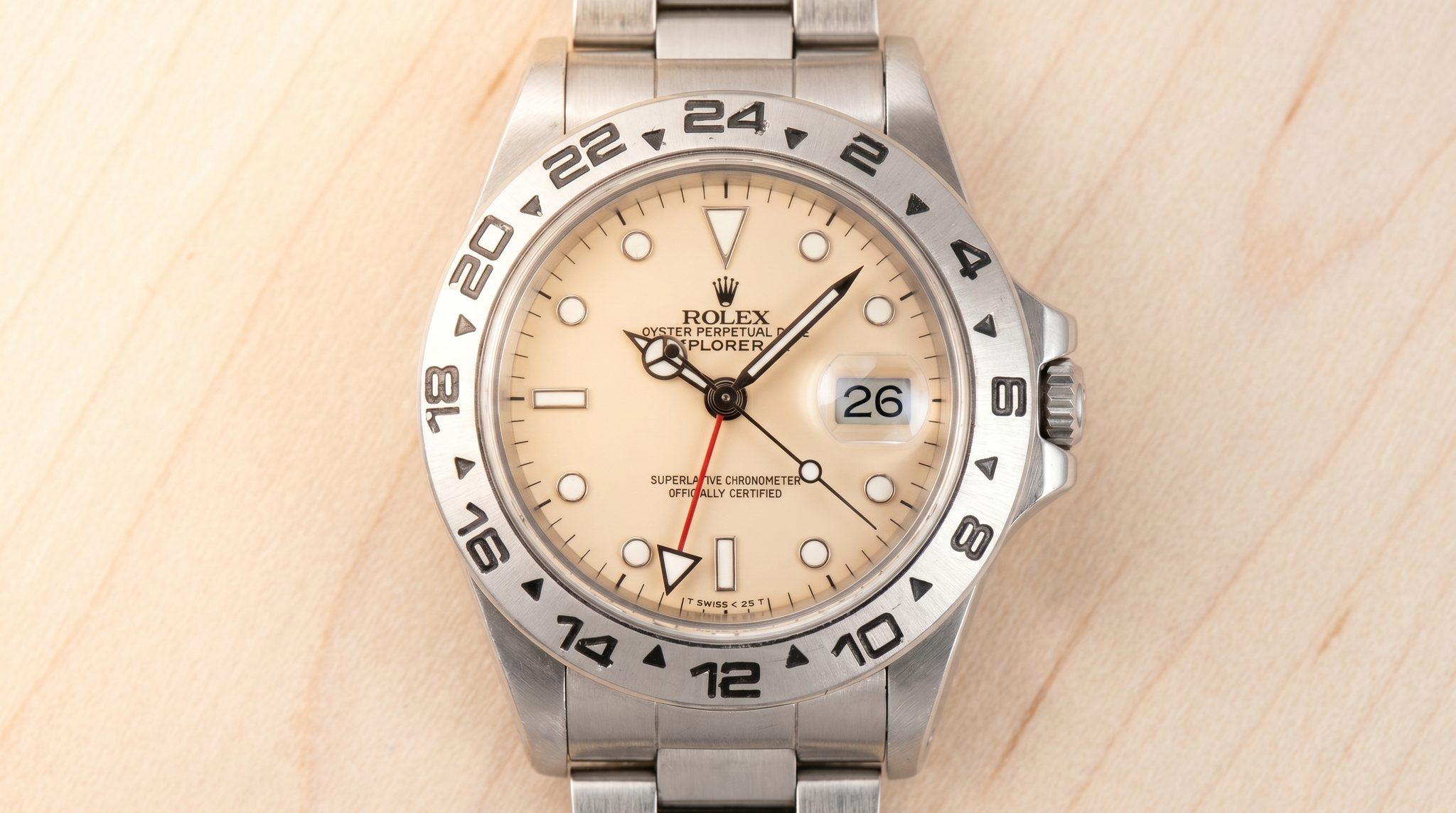
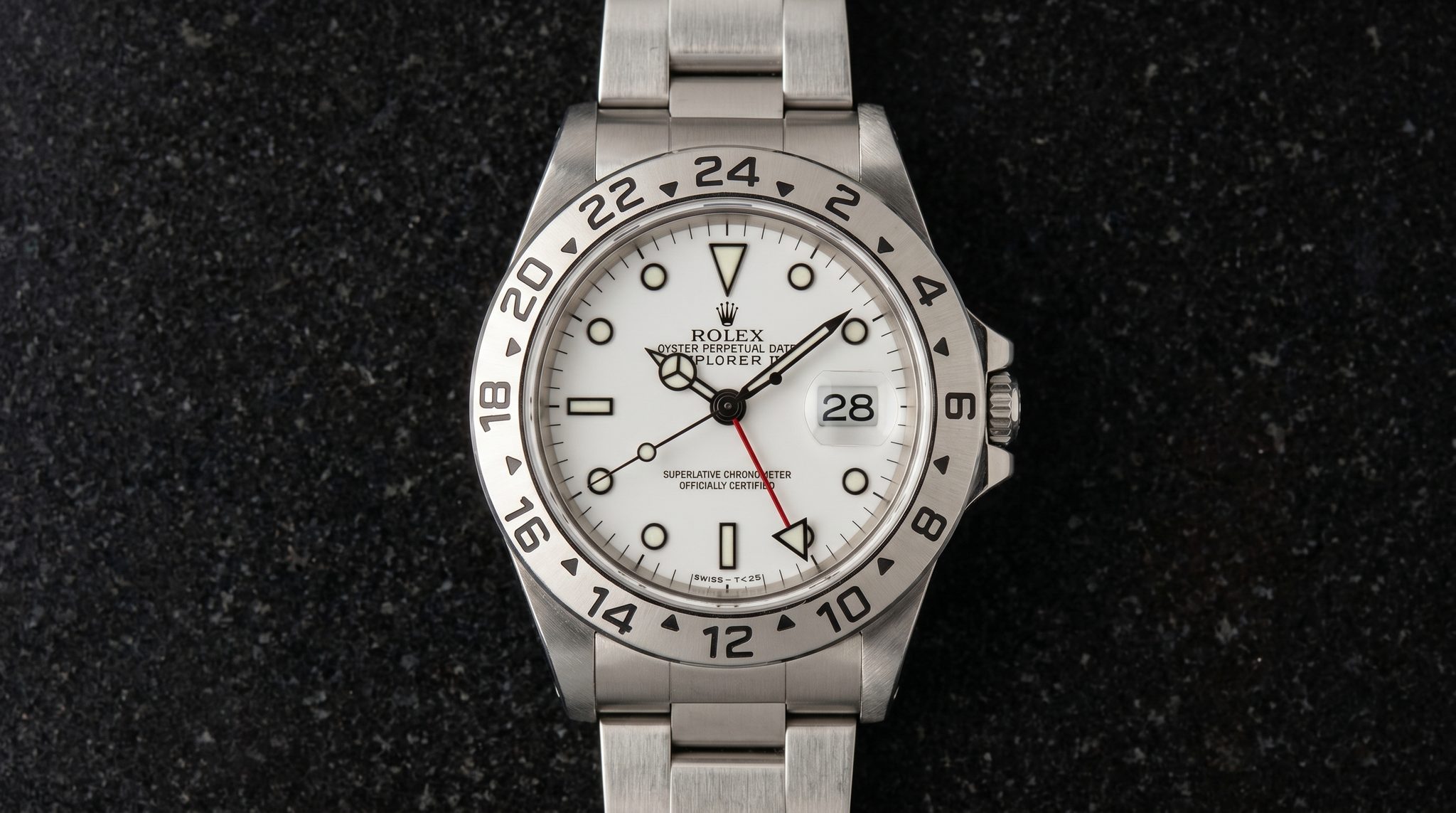
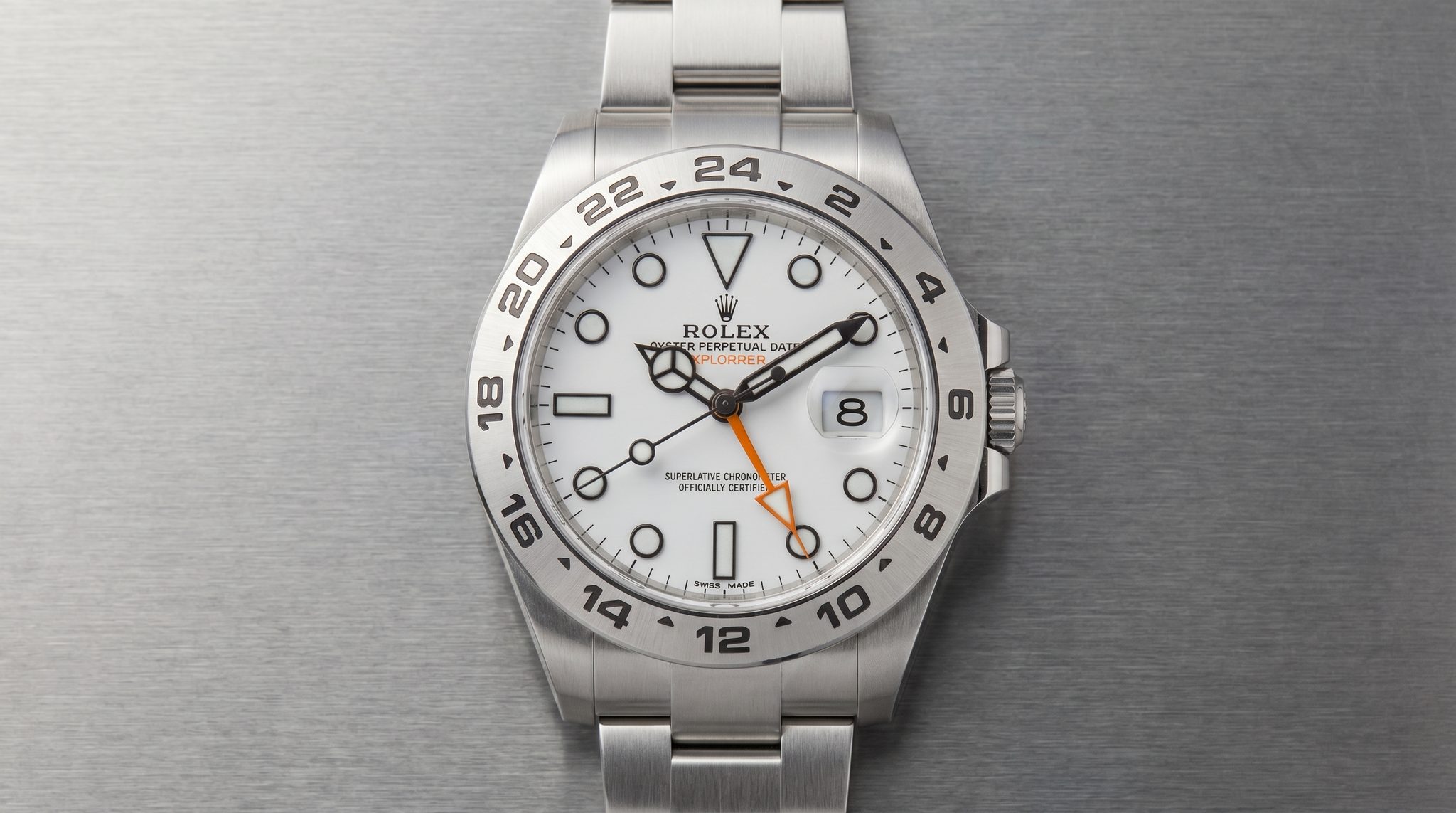
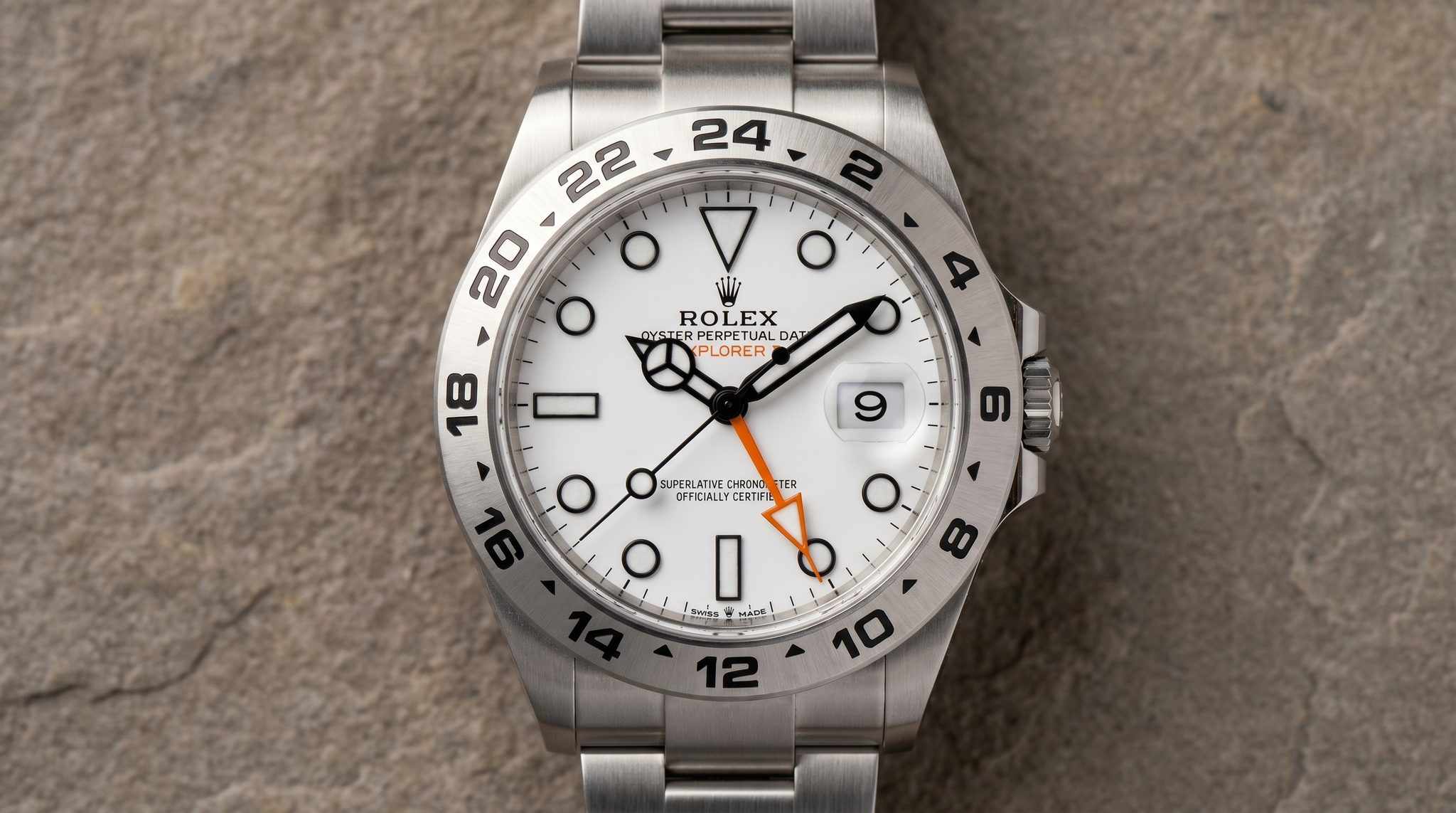
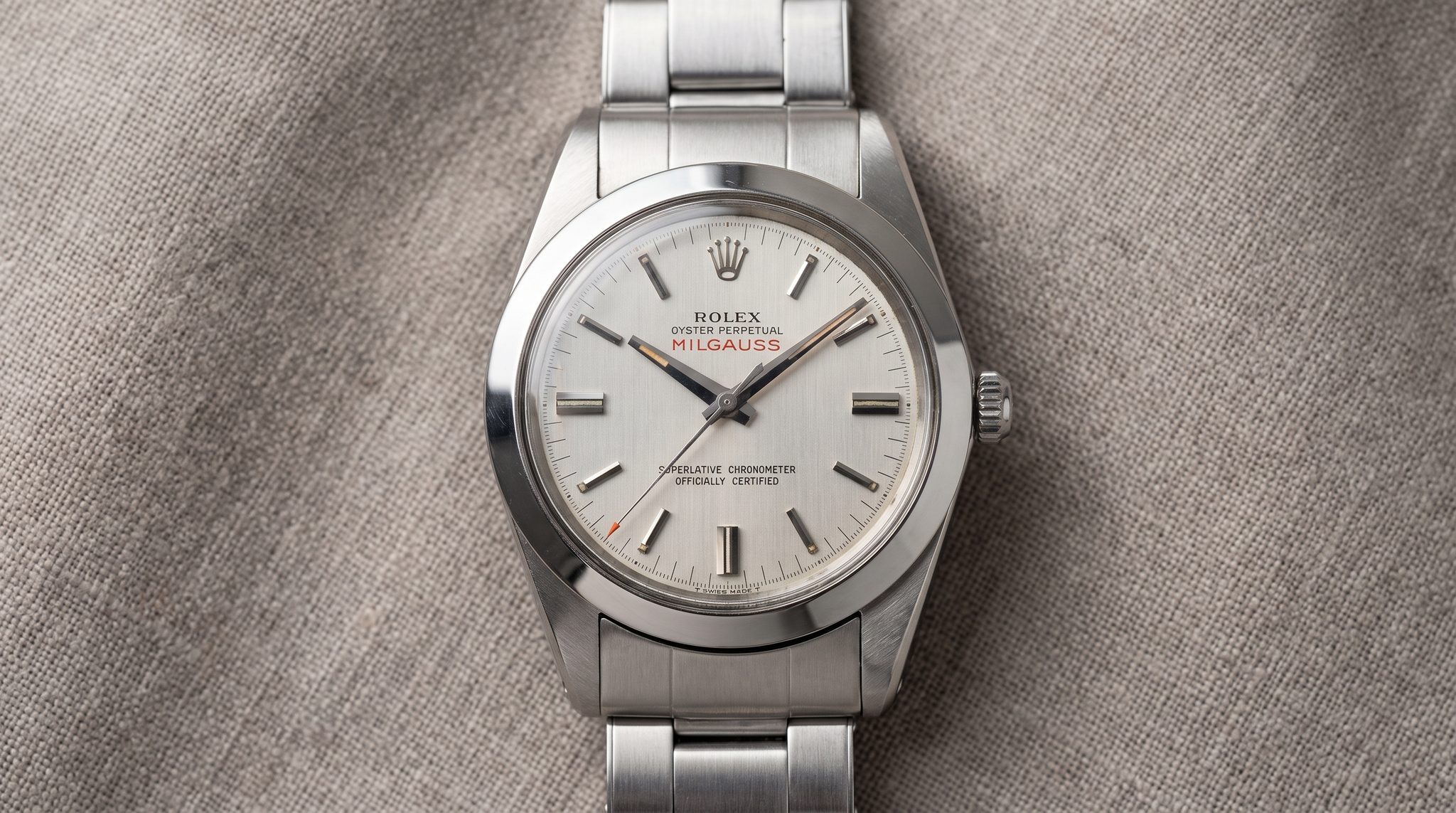
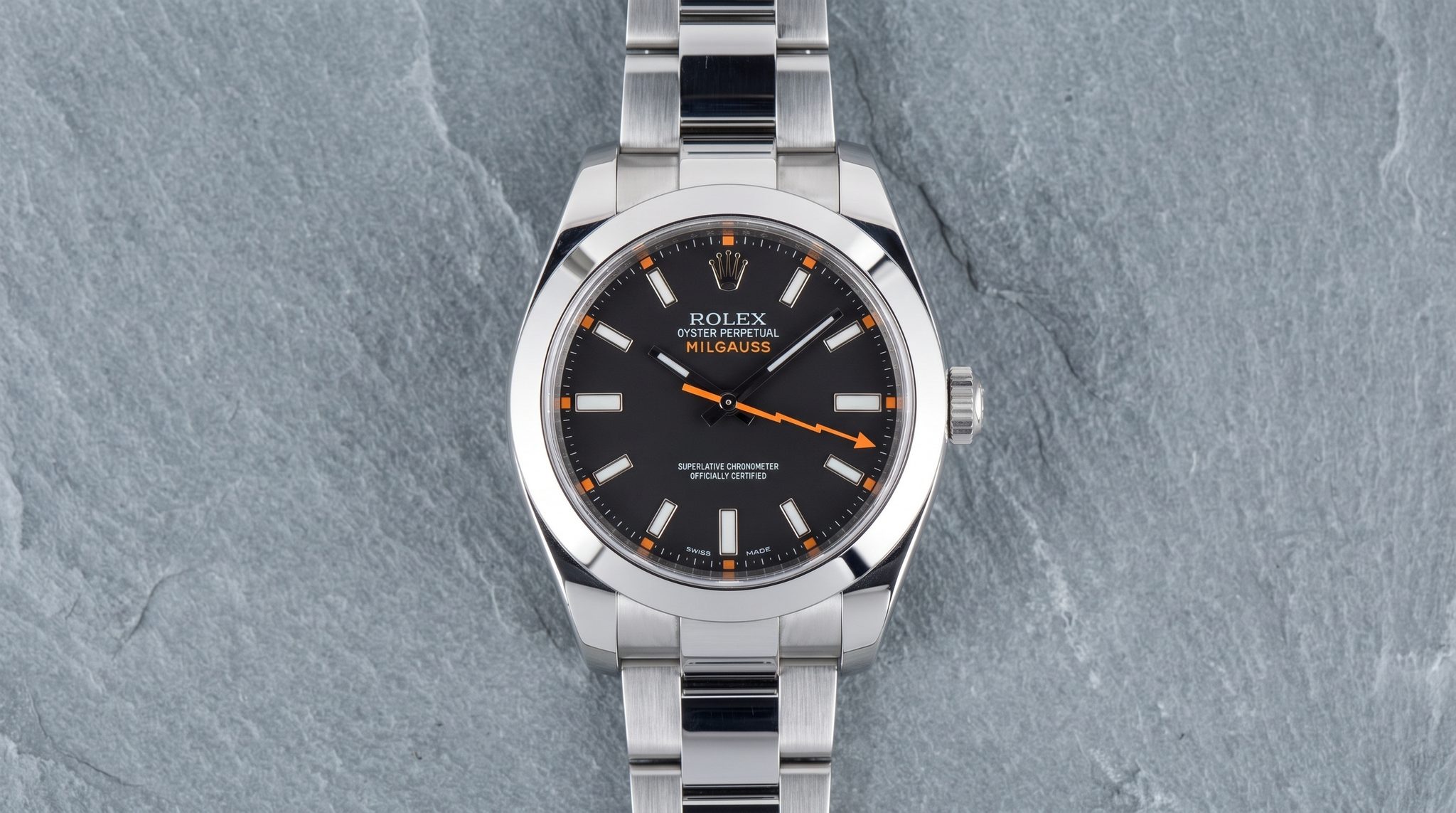
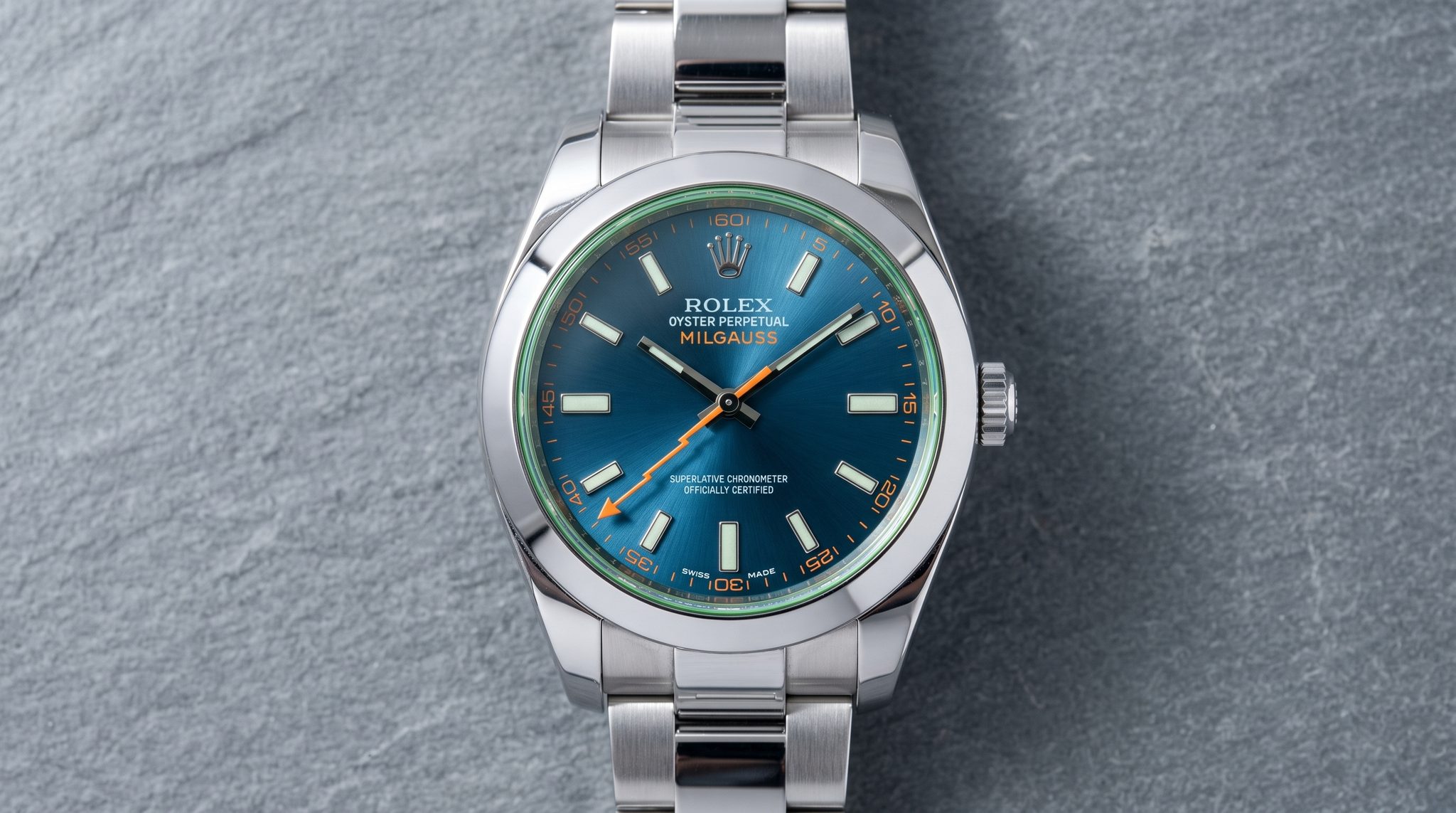
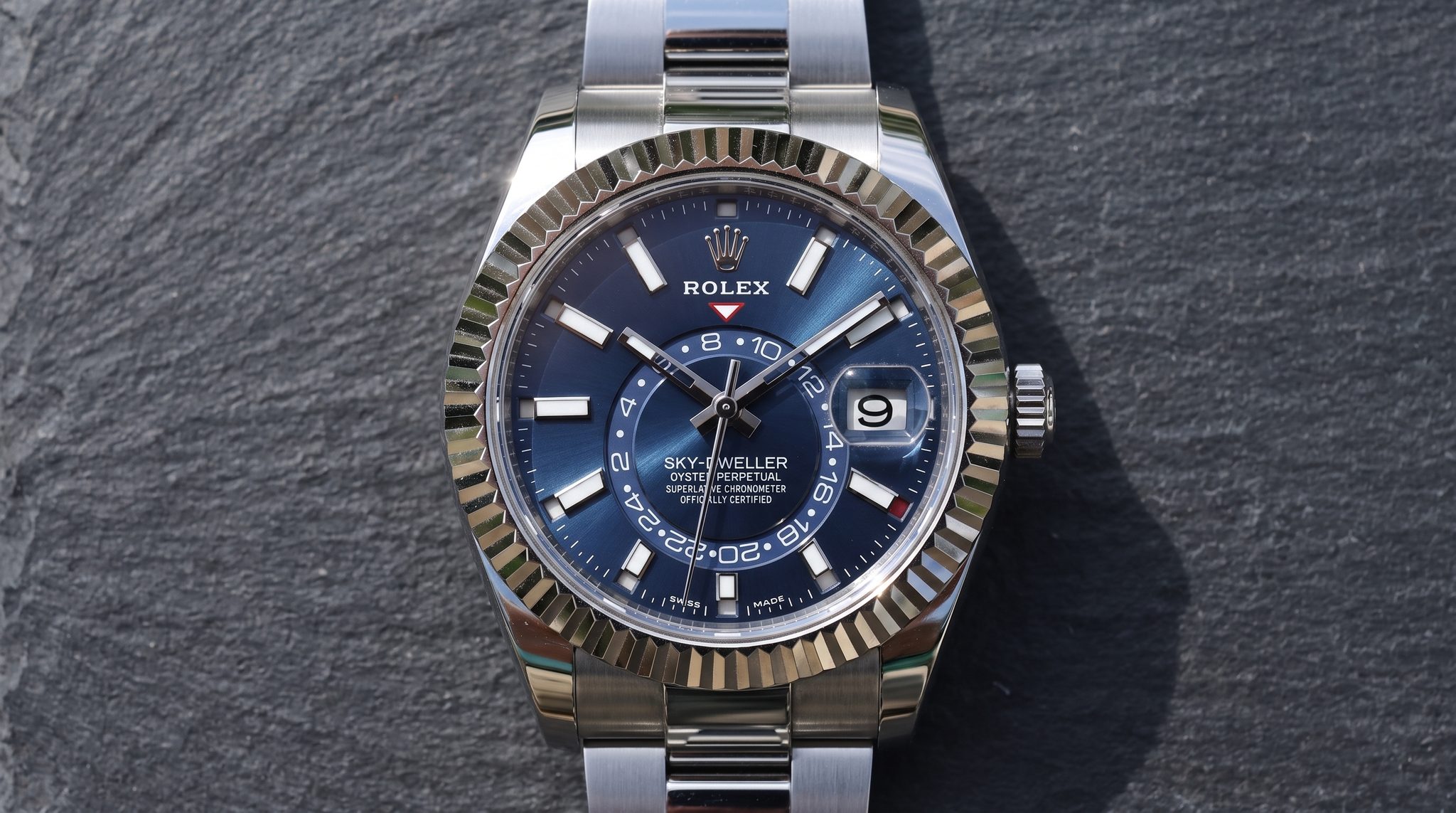
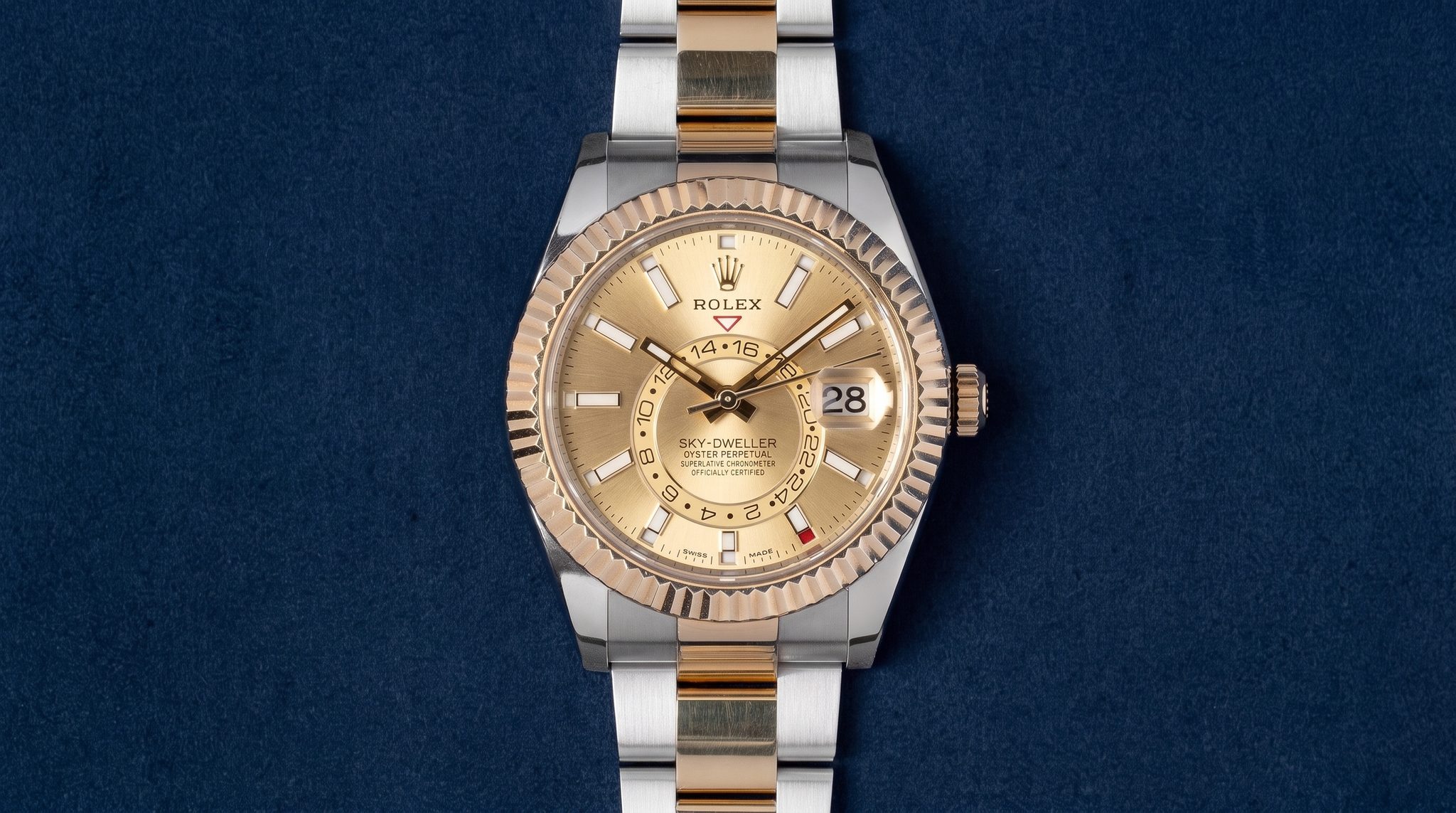
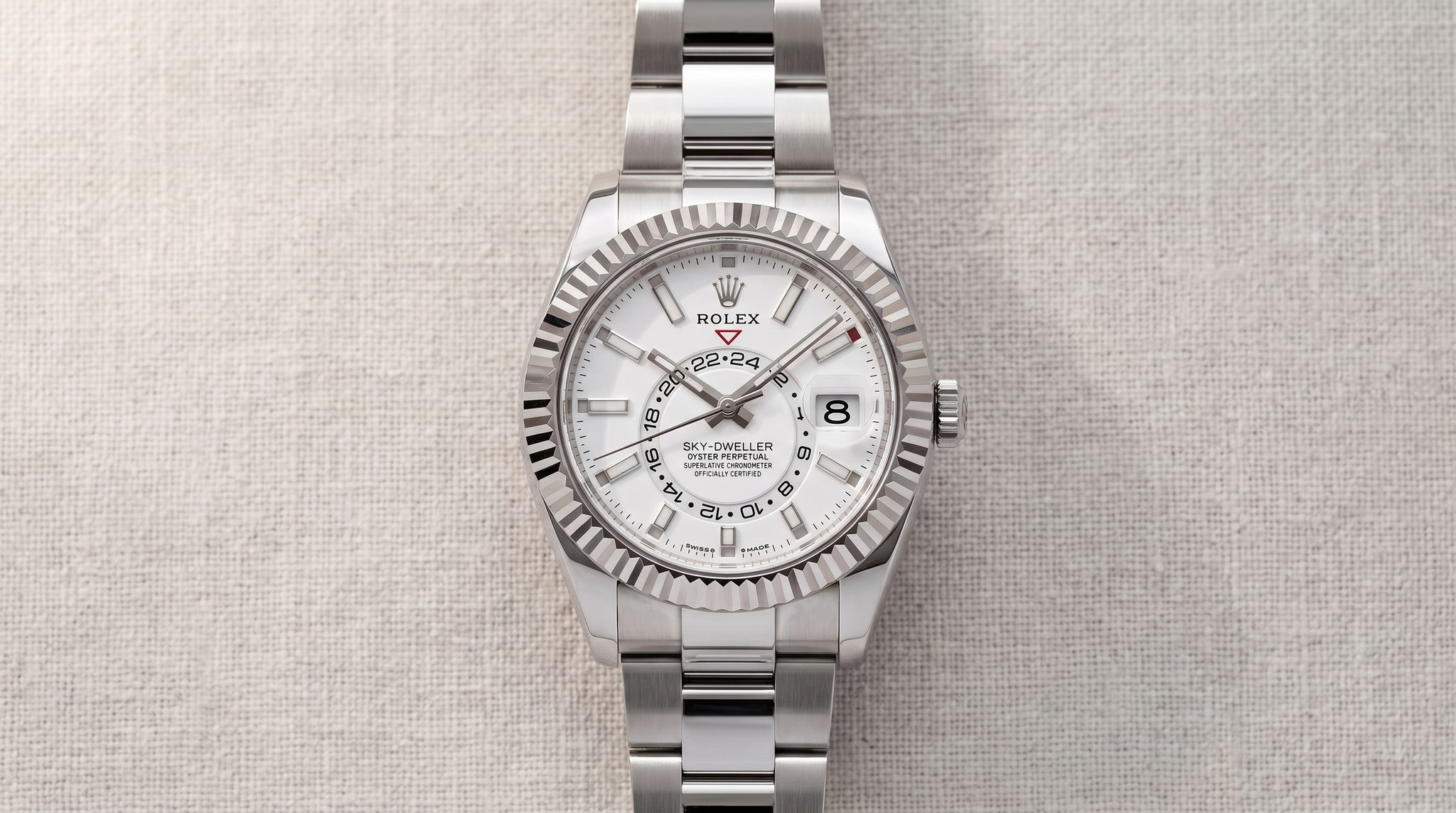
How Rolex reference numbers work
Rolex reference numbers are not one fixed code across every era. Collectors encounter three broad formats that became more structured over time: four-digit vintage references, then five-digit references used largely from the late 1970s through 1999, then six-digit references from around 2000 onward. In modern men’s references, the first digits generally identify the model family, while later digits tend to encode bezel style and metal, and some sports models add letter suffixes that describe a bezel or variant rather than the base material.
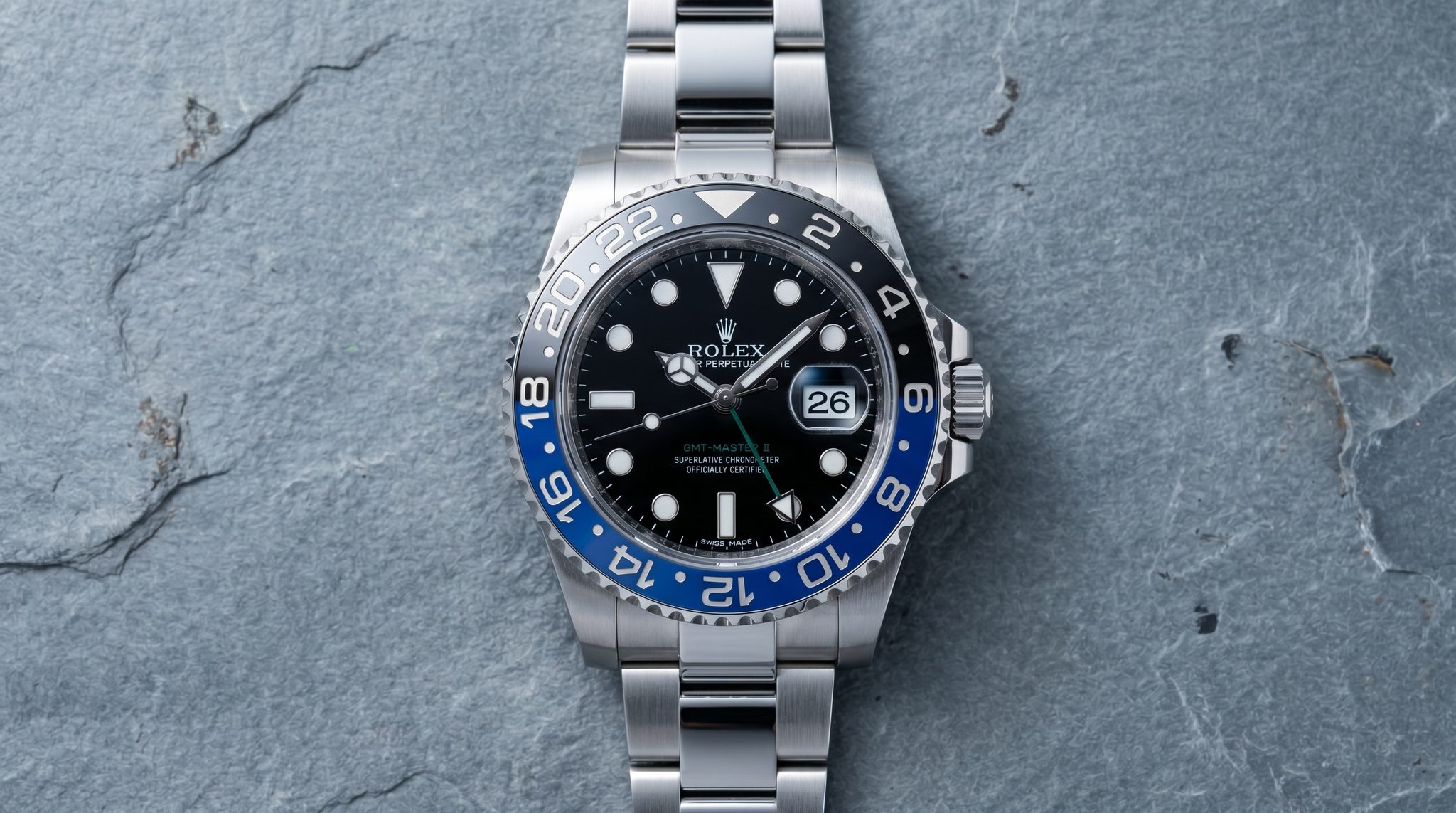
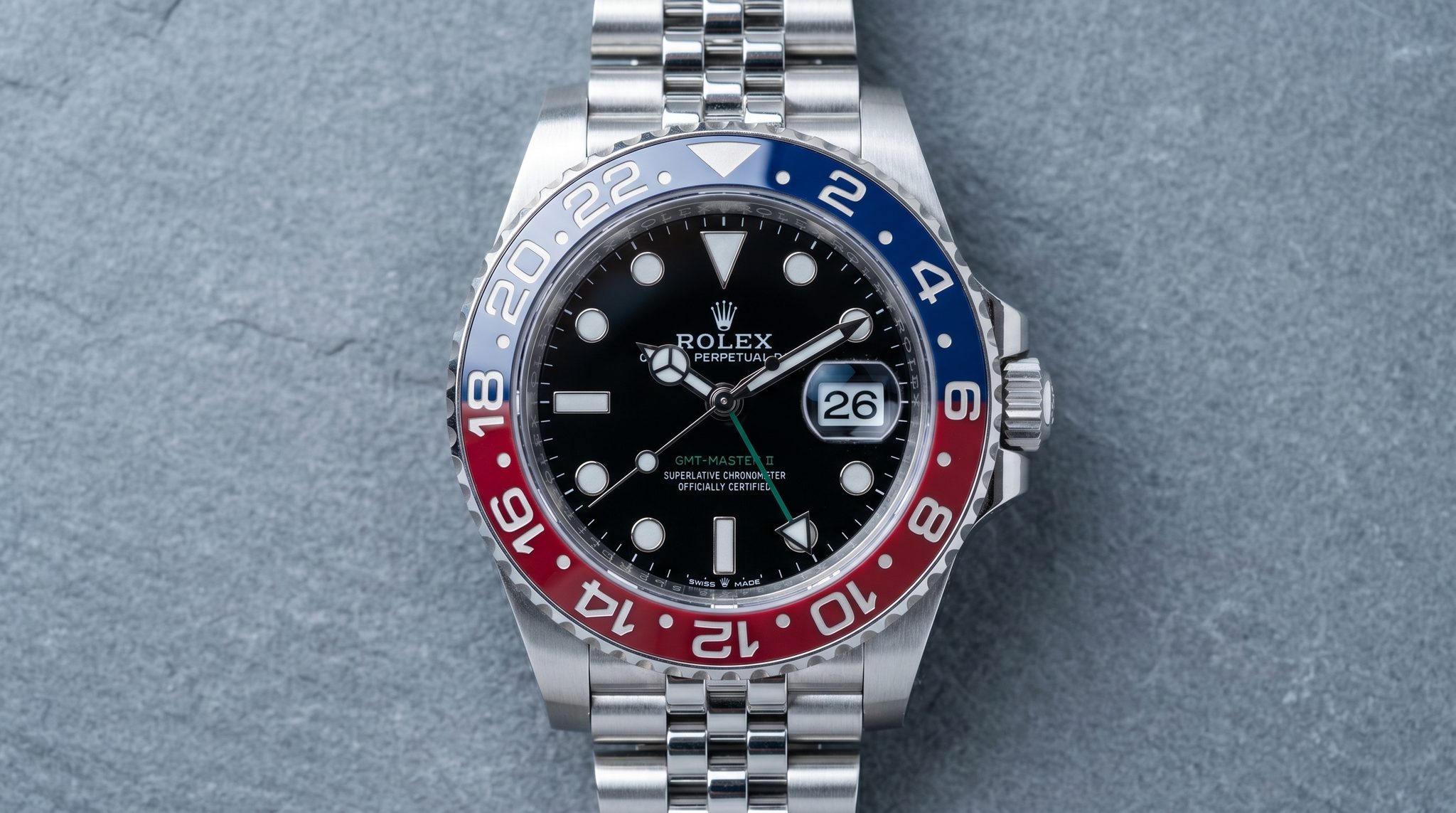
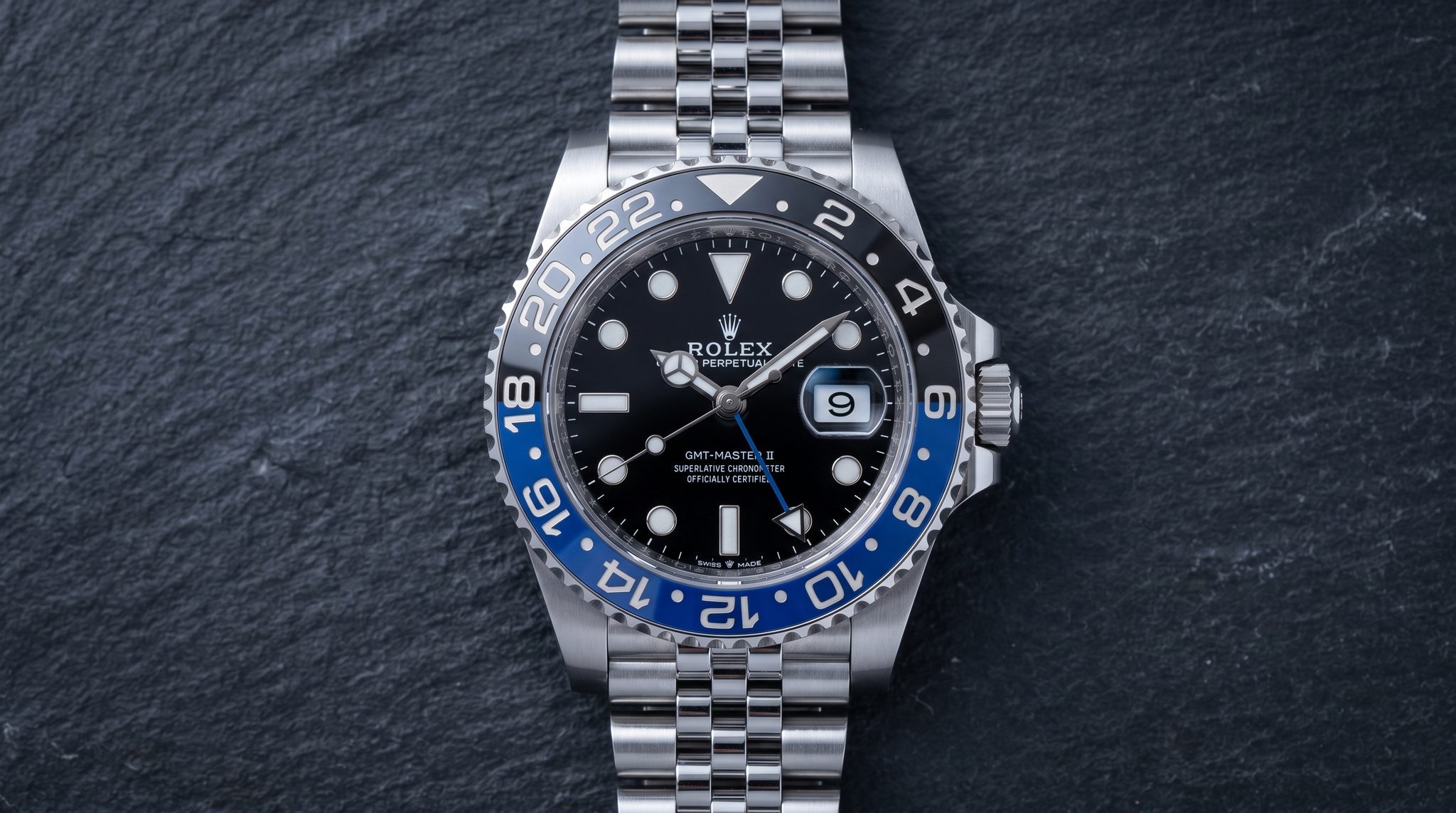
The system is clearest in 5- and 6-digit sports references. The second-to-last digit is commonly used as a bezel code and the final digit as a material code, while suffixes such as LN, LV, BLRO, and BLNR act as shorthand for bezel color variants. Examples from the published set show this modern pattern in practice: 116610LN and 126610LN sit in the Submariner Date family, with LN used for the black-bezel variant, 126710BLRO and 126710BLNR are GMT-Master II references whose suffixes indicate the red blue and black blue Cerachrom inserts, and 116500LN is the steel Daytona with a black Cerachrom bezel.
Caveats matter. Not every Rolex family decodes identically, and collector guides emphasize that digit meanings can vary by model line and era. The safest use of the reference number is therefore classificatory, it places a watch in a family and generation, while dial, bezel, and other physical evidence confirm what the number implies.
Where to start with Rolex
Rolex collecting divides most cleanly into Classic families, such as Datejust and Day-Date, and Professional families, such as Submariner, GMT-Master II, Explorer, and Daytona. In practical terms, the Classic line is about general-purpose versatility and dial configuration, while the Professional line is where function and small evolution cues create the most reference-driven markets.
For a new collector, the most straightforward entry points tend to be the stable, widely worn lines, especially Datejust and Oyster Perpetual for everyday use, and Explorer for a quieter tool-watch identity. Those families are mechanically simple enough to live with, yet documented well enough that reference-level differences are learnable.
The market has rewarded scarce, historically significant, and highly original vintage Professional models, particularly where condition and originality can be checked visually. That is not only a rarity story. Documented market commentary highlights that condition and originality drive confidence and liquidity, and that models with clear lineage and visible continuity are easier for the market to value. This is where Rolex’s design habits become a collecting advantage: subtle, traceable differences create a shared vocabulary.
Across the brand, the most common collector mistake is treating the name on the dial as the whole identity. In many Rolex lines, the reference number and the era cues, dial text, lume signature, bezel type, bracelet generation, case details, are what make a watch either coherent or compromised. The best long-term collecting outcomes follow the watches that look as if their parts have lived together, not watches rebuilt to look newer or to imitate a more valuable configuration.
Common questions about Rolex
Rolex reference numbers evolved from four digits in many vintage models to five digits through much of the late 1970s to 1999, then to six digits from around 2000 onward. In modern references, the leading digits generally indicate the model family, while later digits often encode bezel style and metal, and letter suffixes can denote bezel colors or variants. The code is helpful but not universal across every family, so physical traits still matter.
- Rolex, Oyster Story, A Collection Shaped by Innovationrolex.com
- Rolex Newsroom, The Rolex Oyster Collectionnewsroom.rolex.com
- Rolex Newsroom, History of Rolex (PDF)newsroom-content.rolex.com
Show 7 more
- Rolex, History, 1905–1919rolex.com
- Wikipedia, Rolexwikipedia.org
- Hodinkee, In-Depth, The Long and Increasingly Complicated Story of the Reference Numberhodinkee.com
- Gear Patrol, Why Do People Go Crazy for Vintage Rolexes?gearpatrol.com
- Chrono24 Magazine, Rolex reference numbers, what do they mean?chrono24.com
- Bob's Watches, Rolex reference numbers explained (letters and meanings)bobswatches.com
- Rolex models and collectionsrolex.com