

Vintage Omega
Omega is the industrial watchmaker whose standardized movements and tool-watch families turned mid-century purpose-built designs into today’s most reference-sensitive vintage category.
Omega is the industrial watchmaker that made precision and interchangeable-part production a collector obsession long before “tool watch” became a genre. In 1894, the company’s 19-ligne calibre was promoted as a breakthrough for standardization and interchangeability, and its success was strong enough that the firm adopted “Omega” as its name in 1903.
Only after that technical foundation does the modern collector picture come into focus. The business began in 1848, when Louis Brandt opened a workshop in La Chaux-de-Fonds assembling watches from parts supplied by local craftsmen, and it became more industrialized after his sons modernized the company and moved production to Bienne/Biel after 1879. That early emphasis on repeatable production sits behind Omega’s later reputation in precision culture and observatory-era chronometric credibility, and it helps explain why the brand’s vintage market behaves the way it does: small, correct details can matter disproportionately because Omega made so many legitimate variants across so many decades.
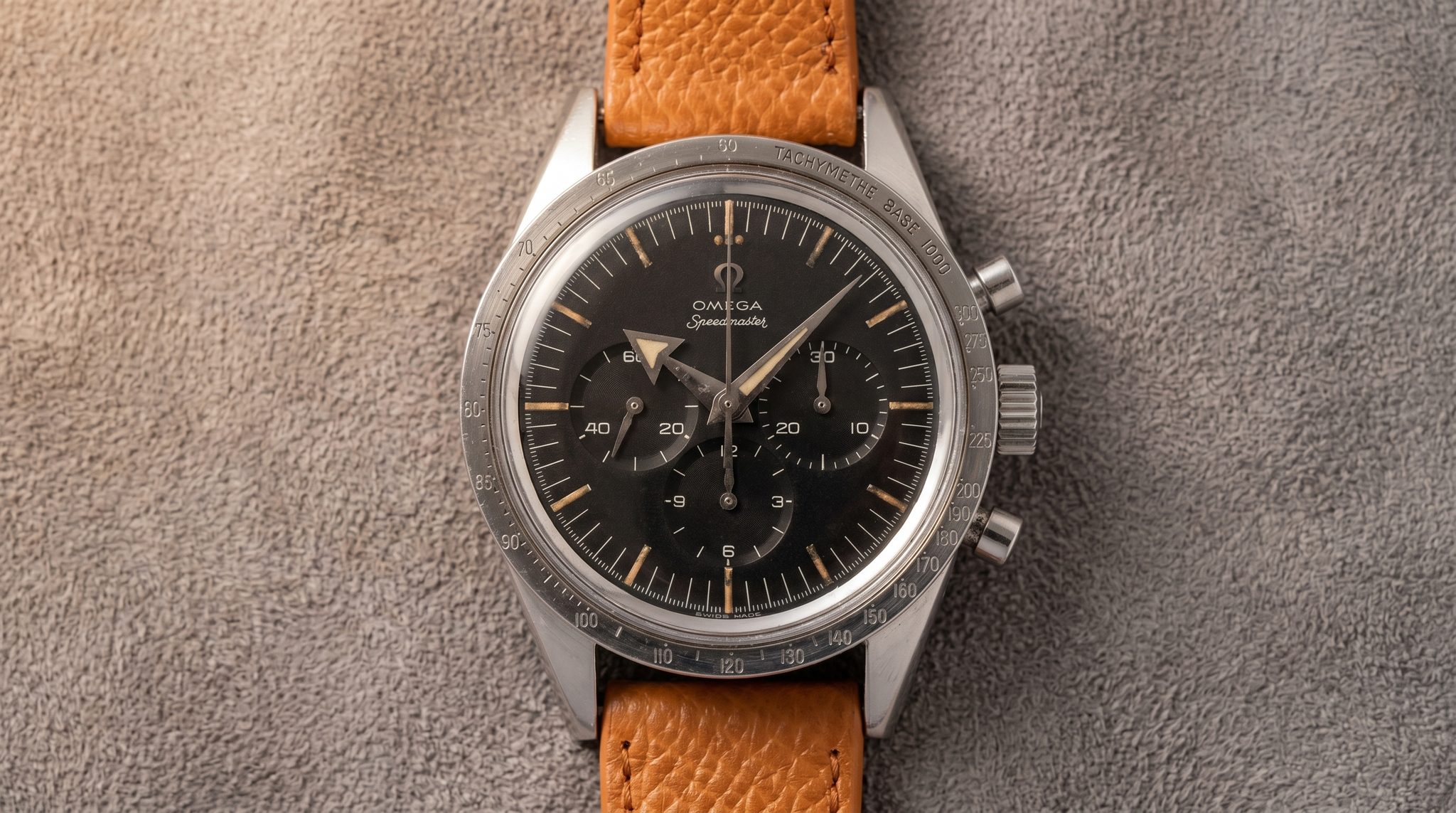
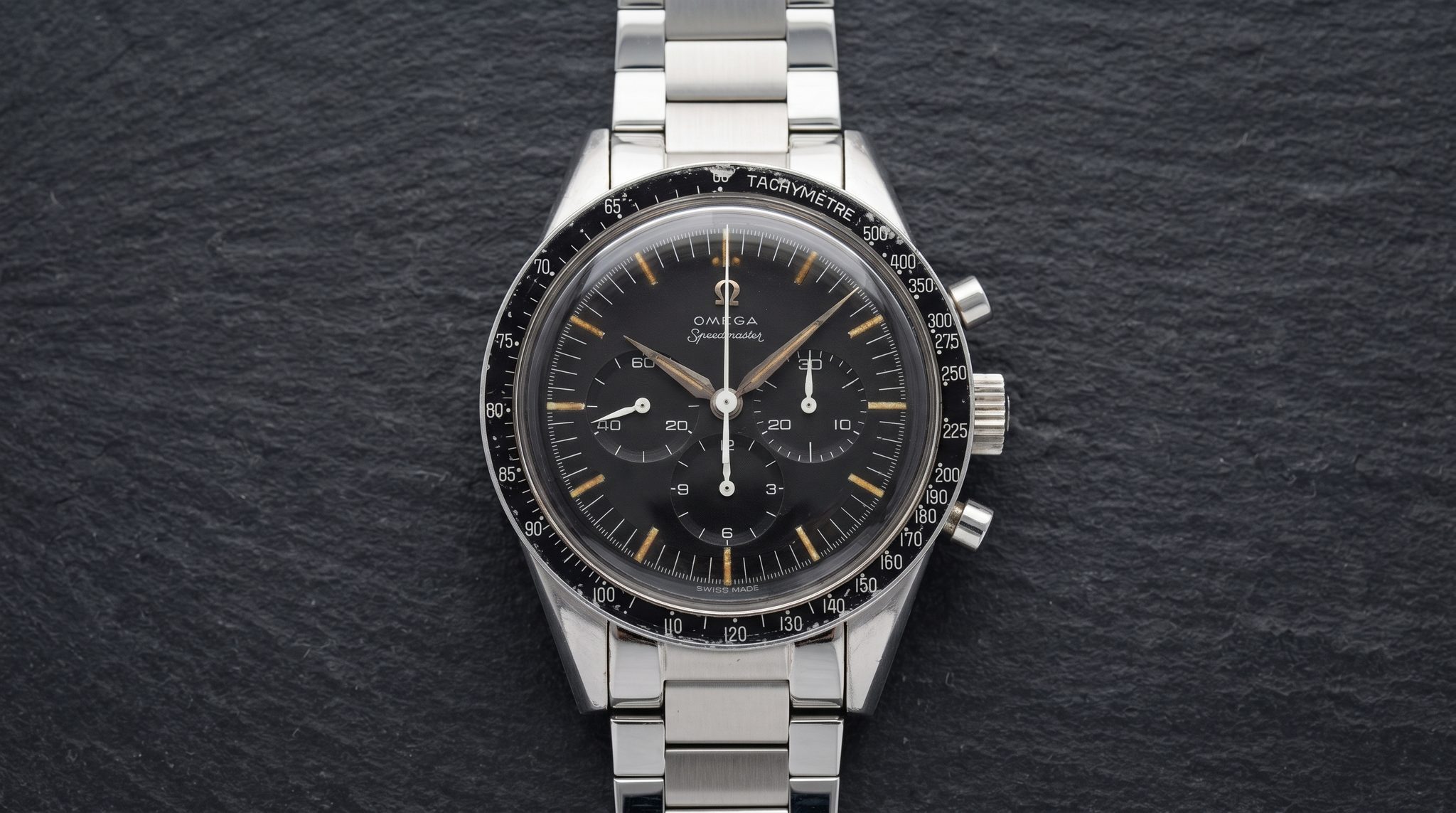
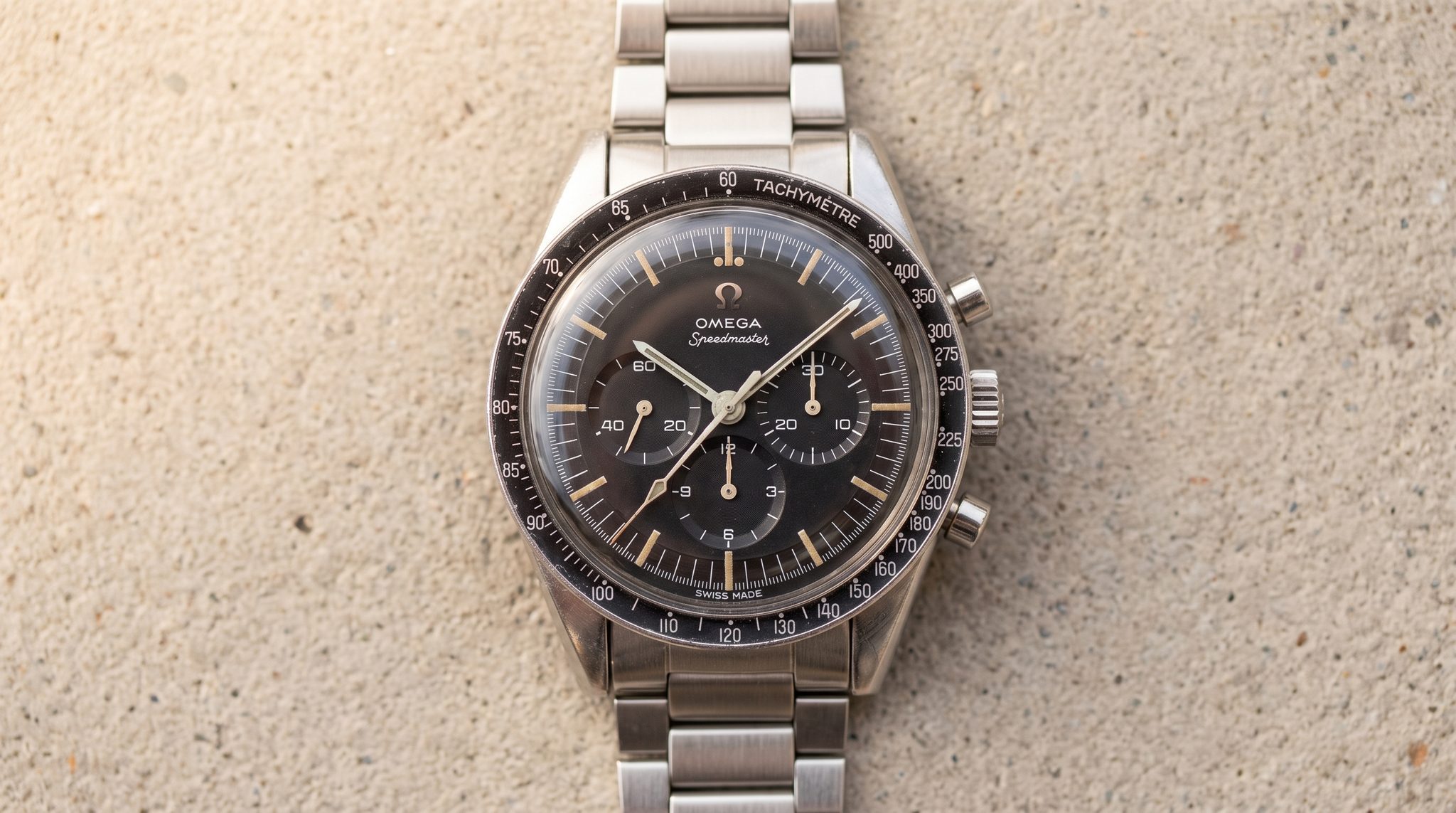
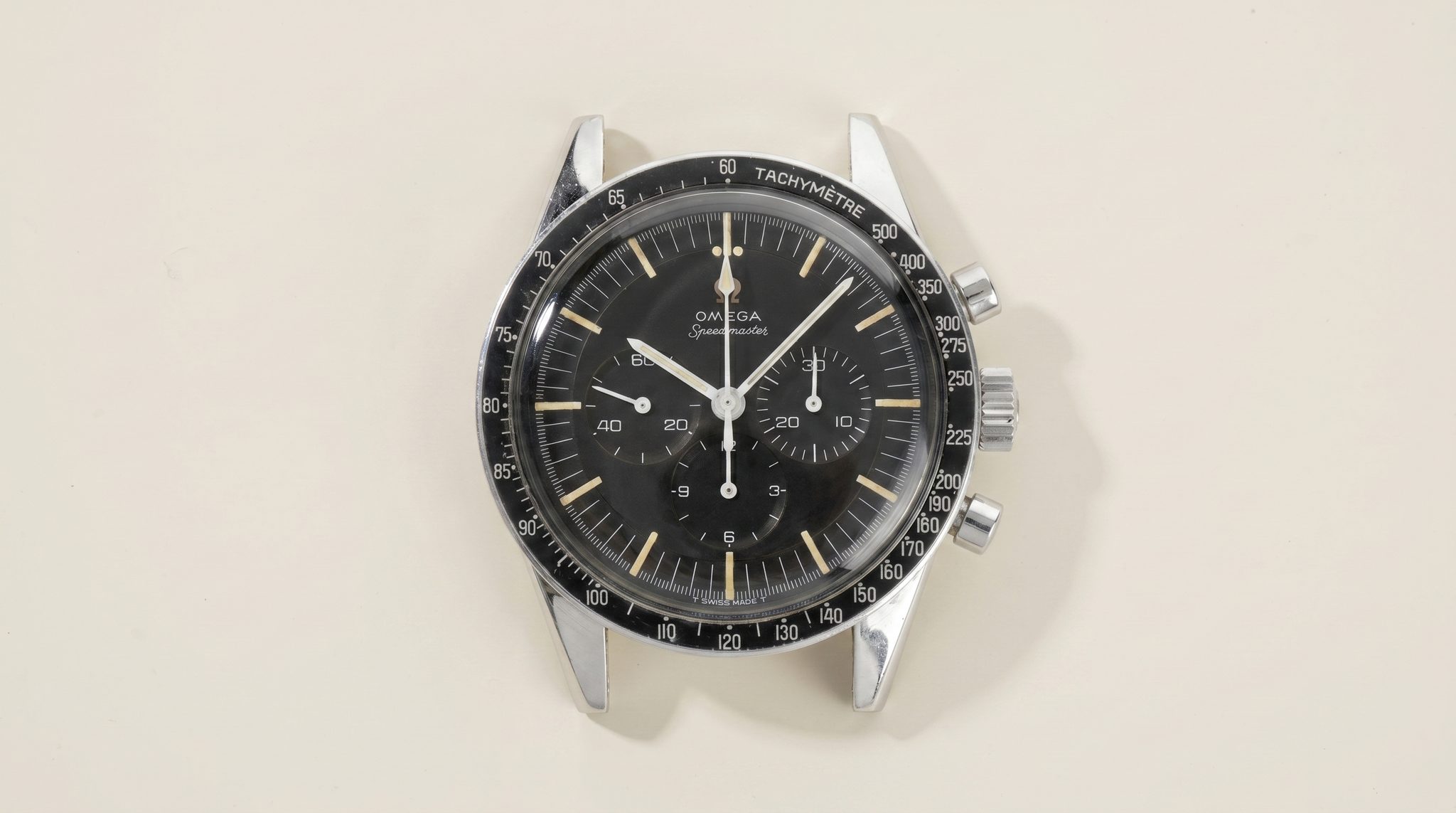
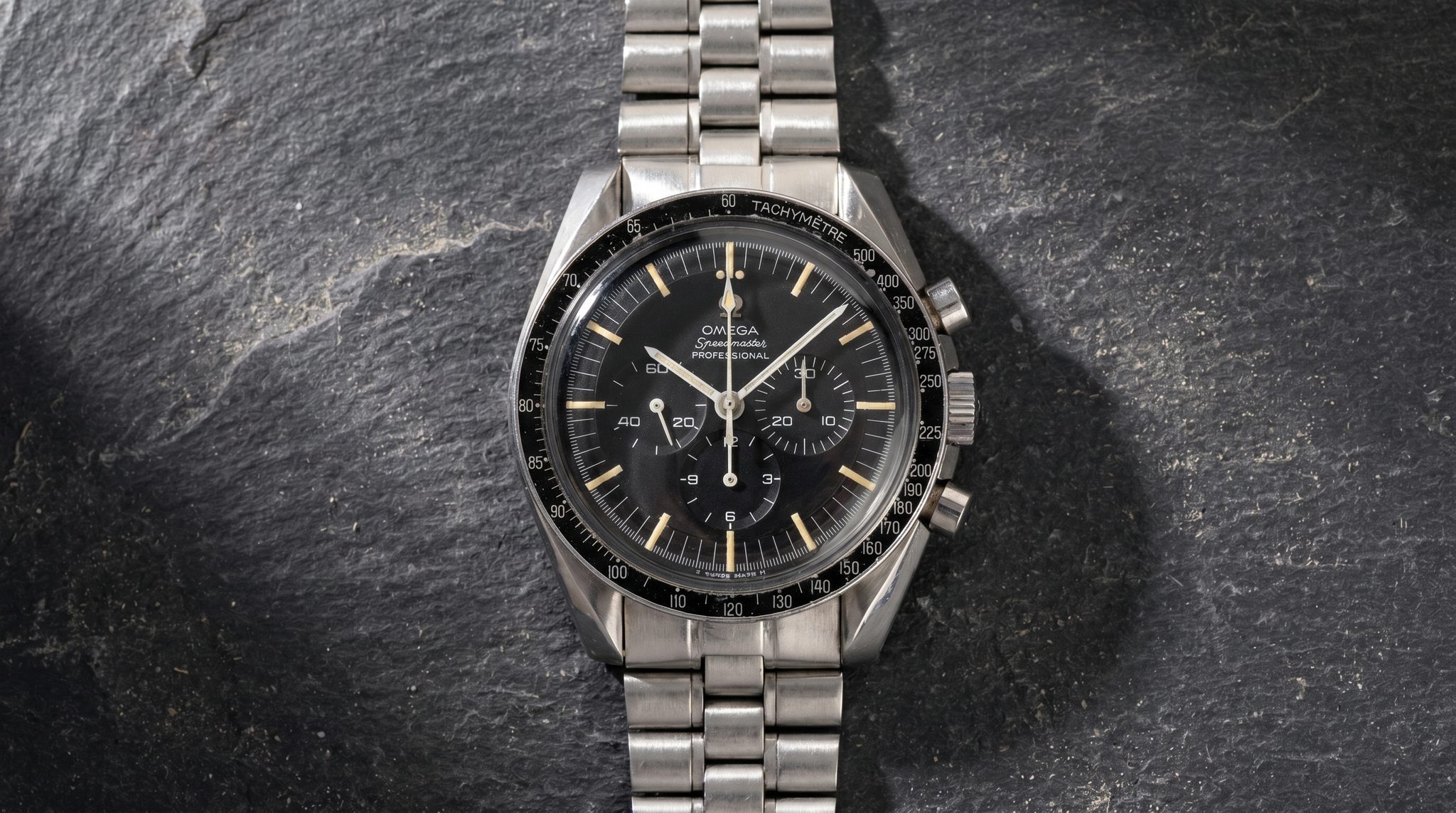
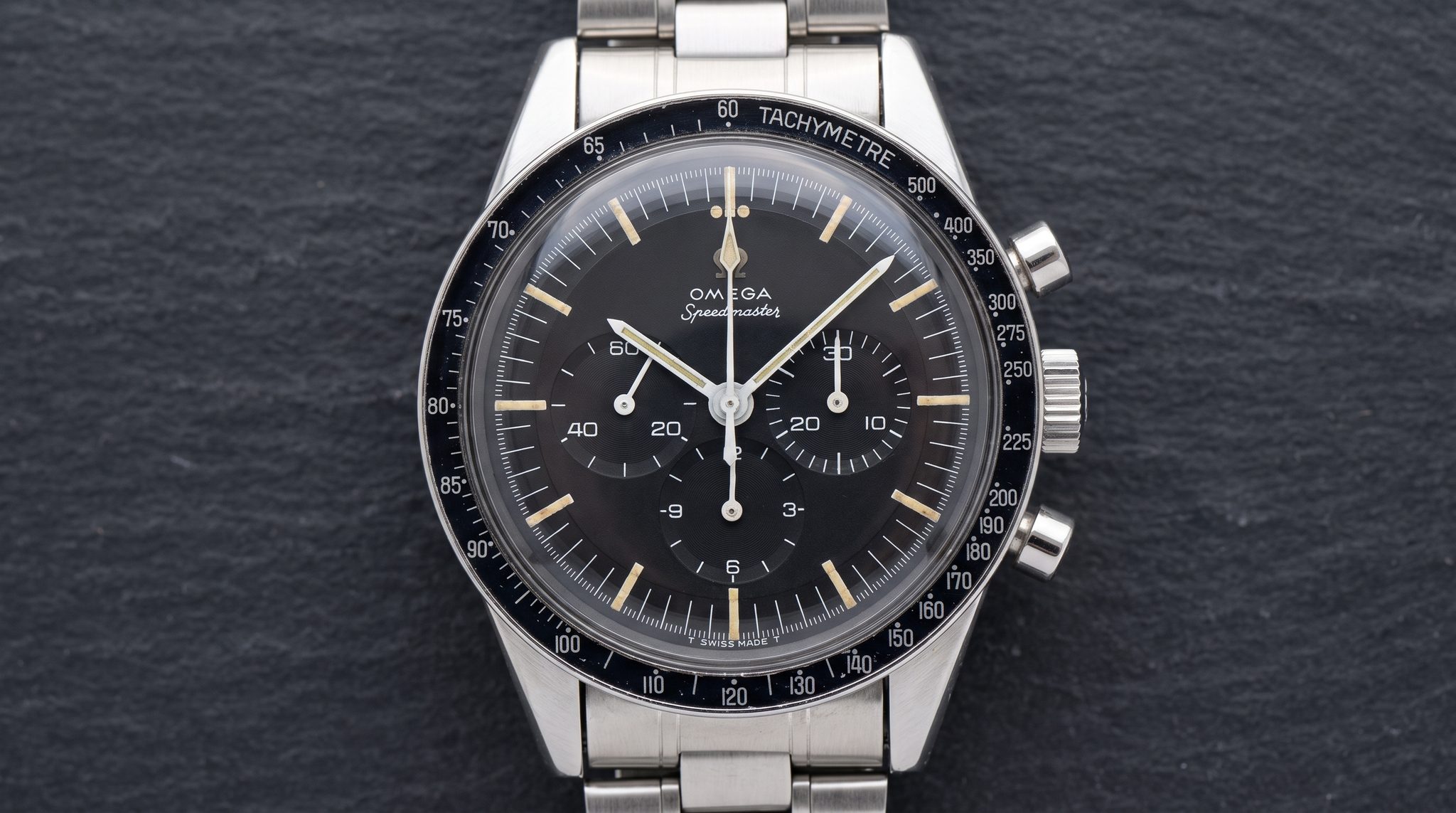
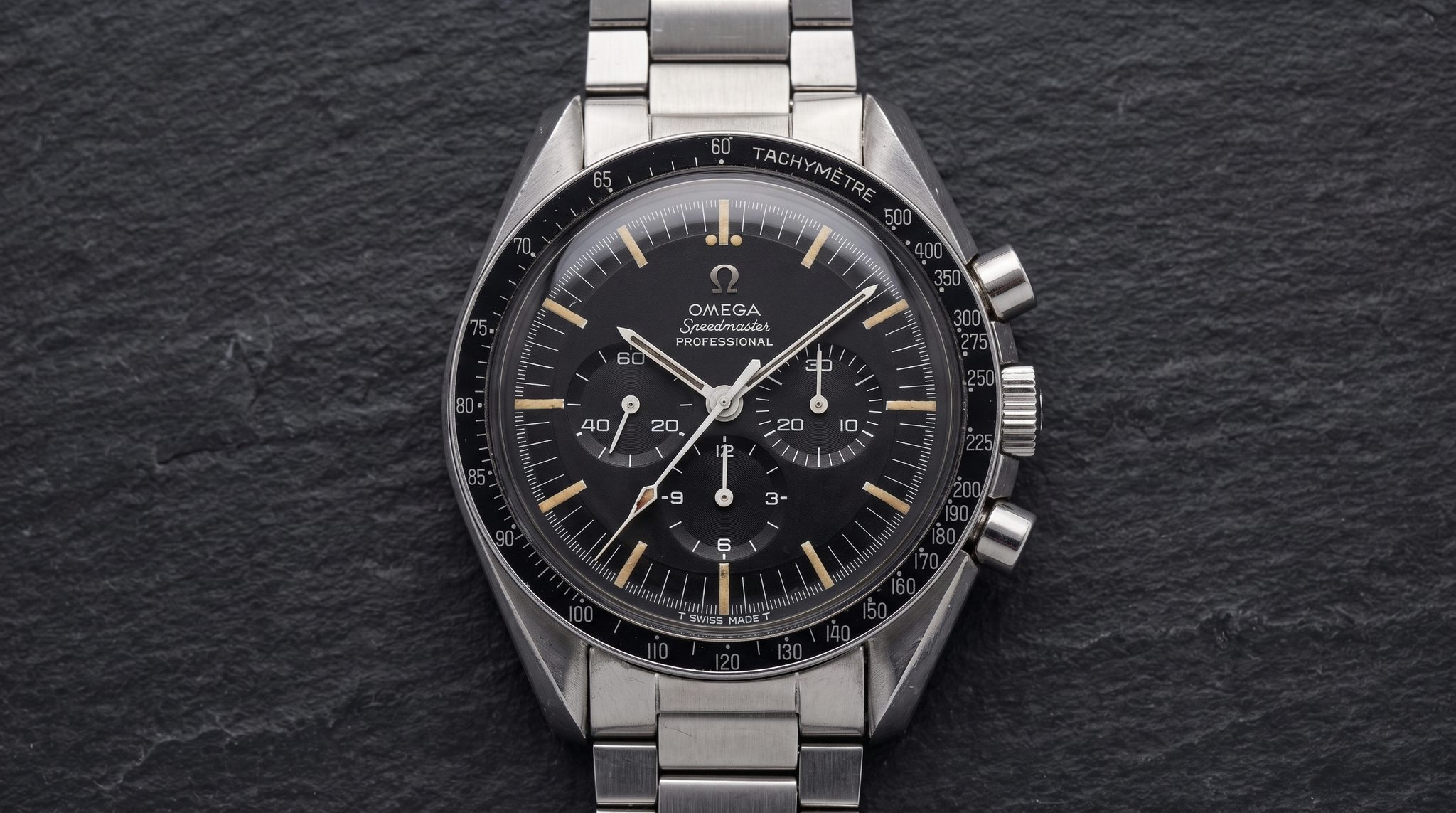
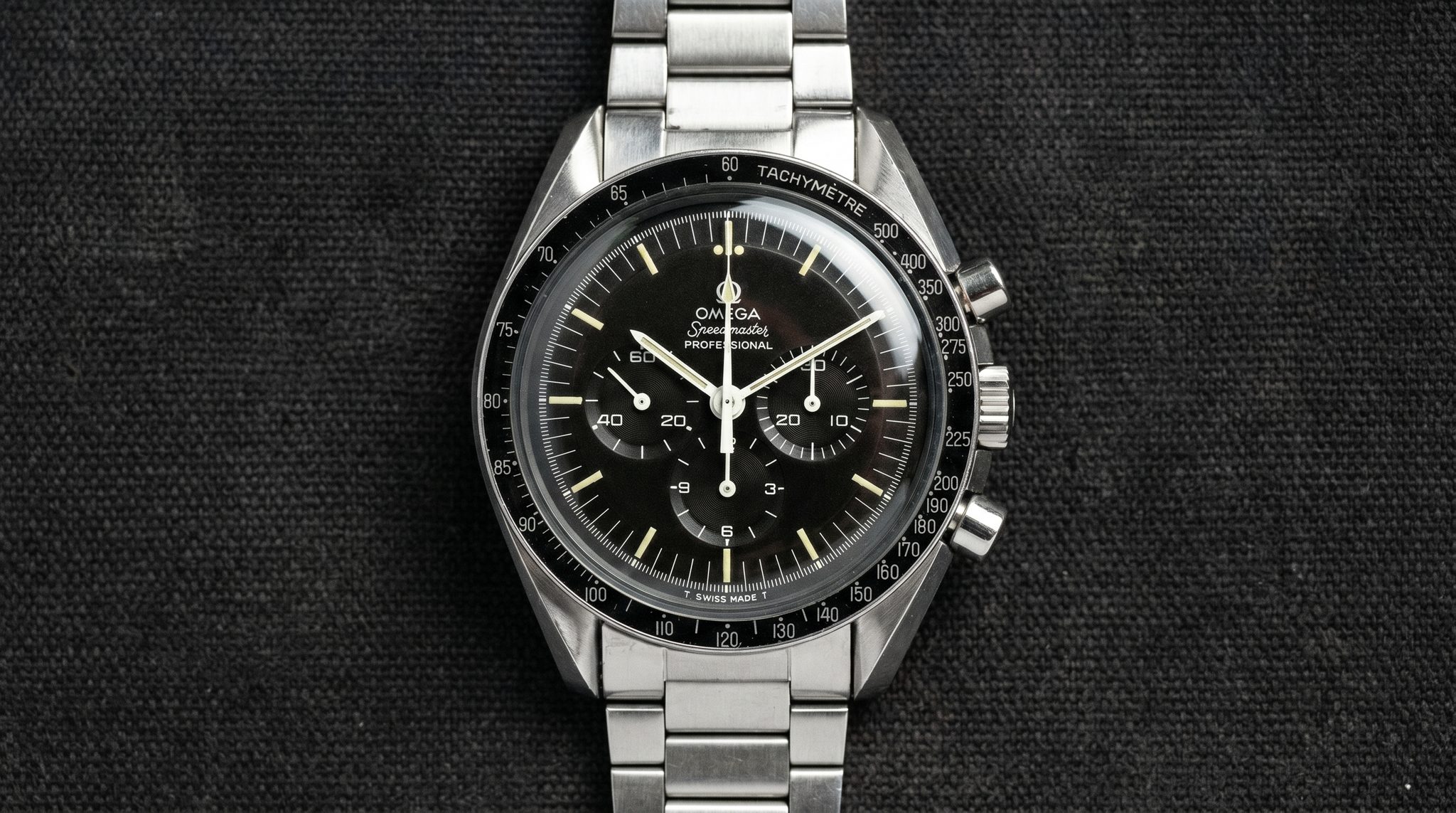
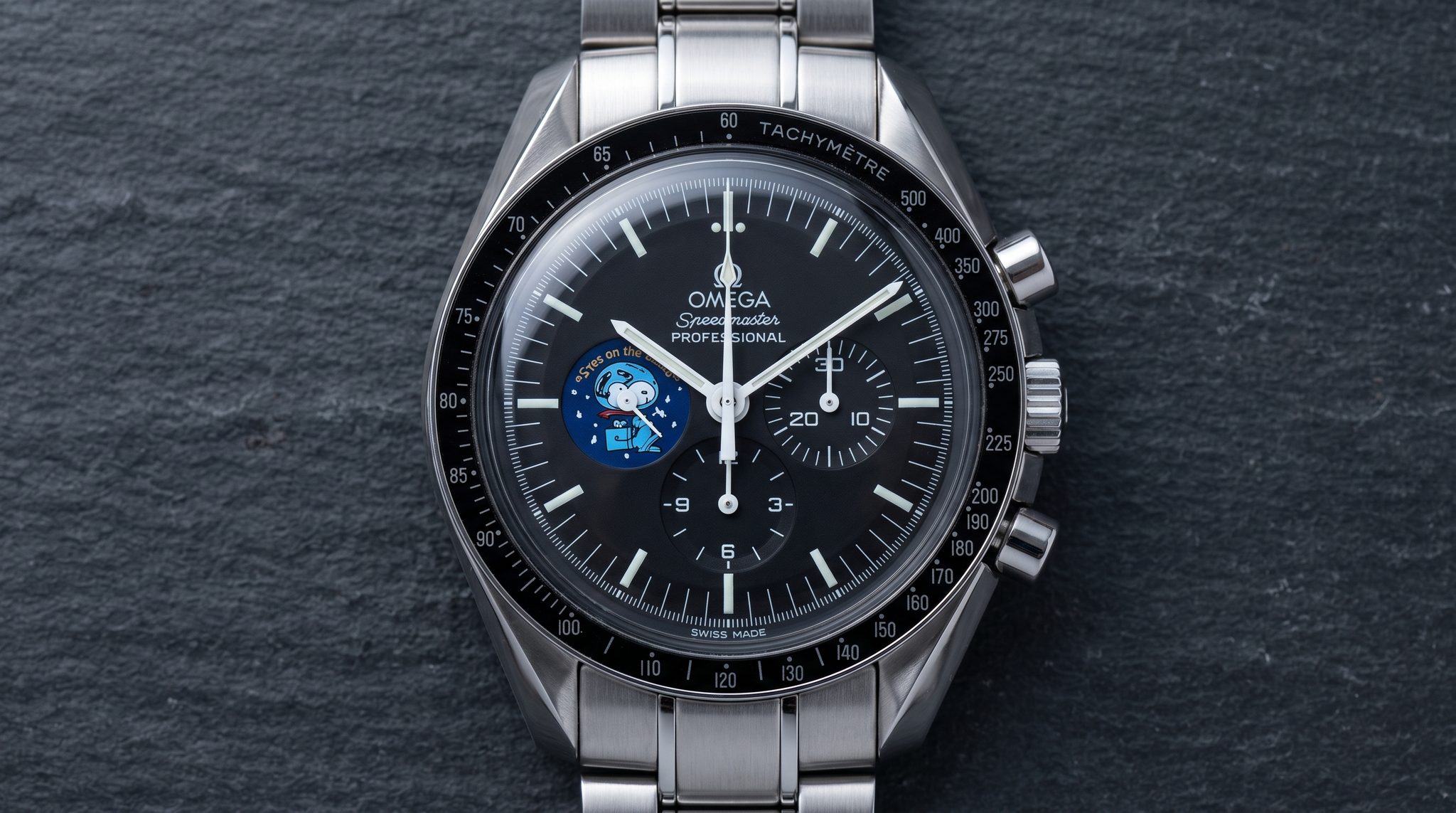
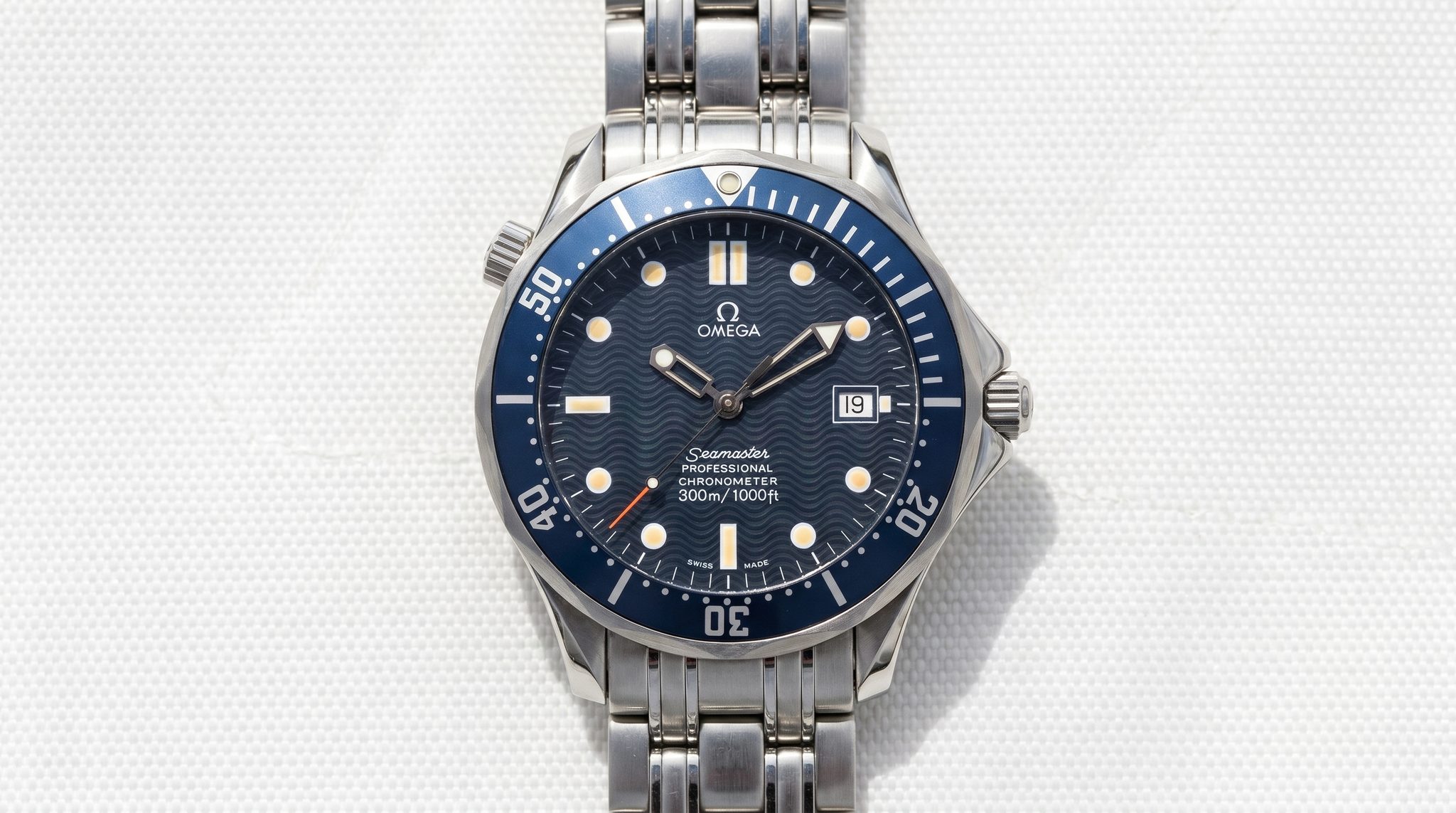
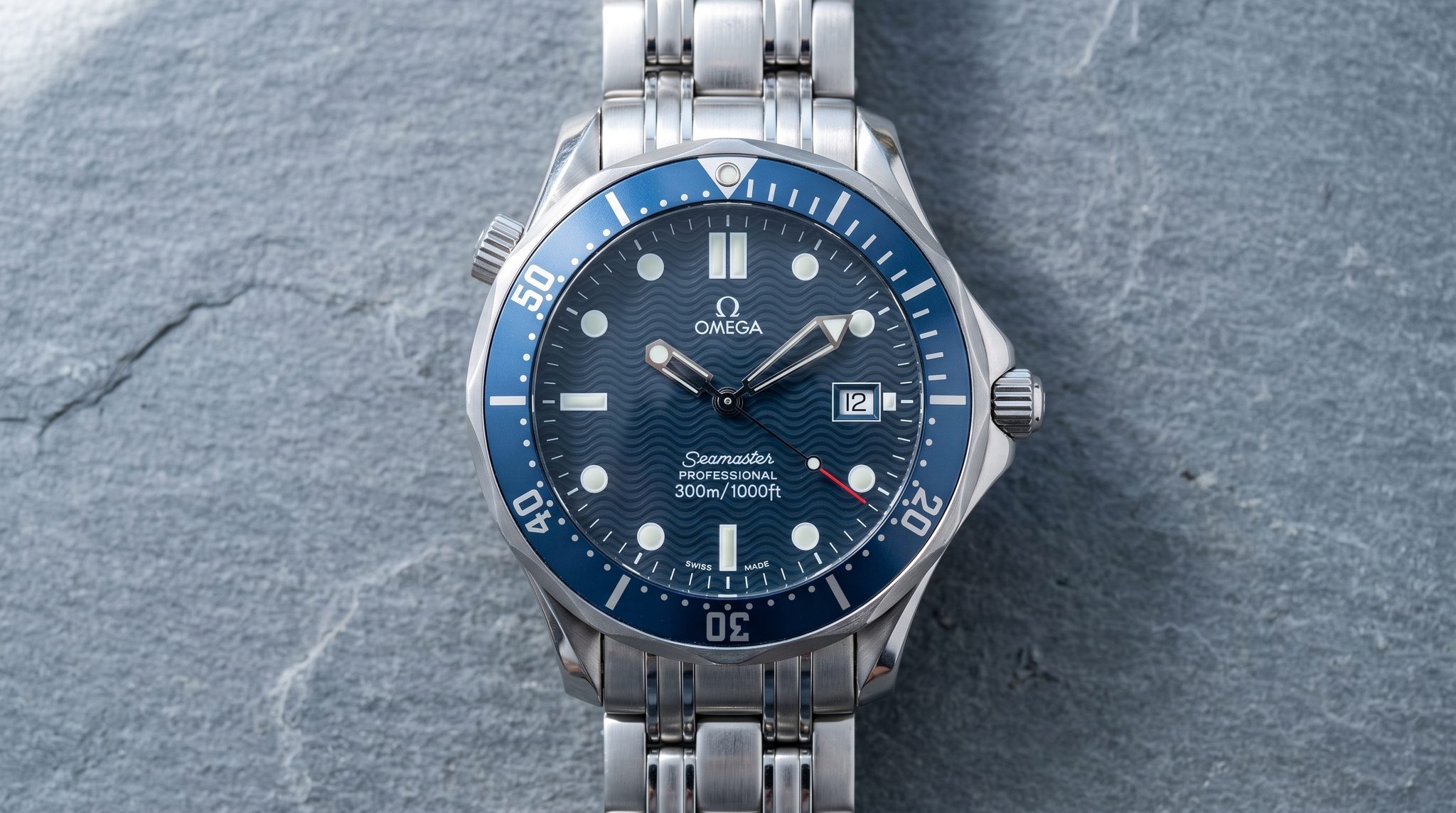
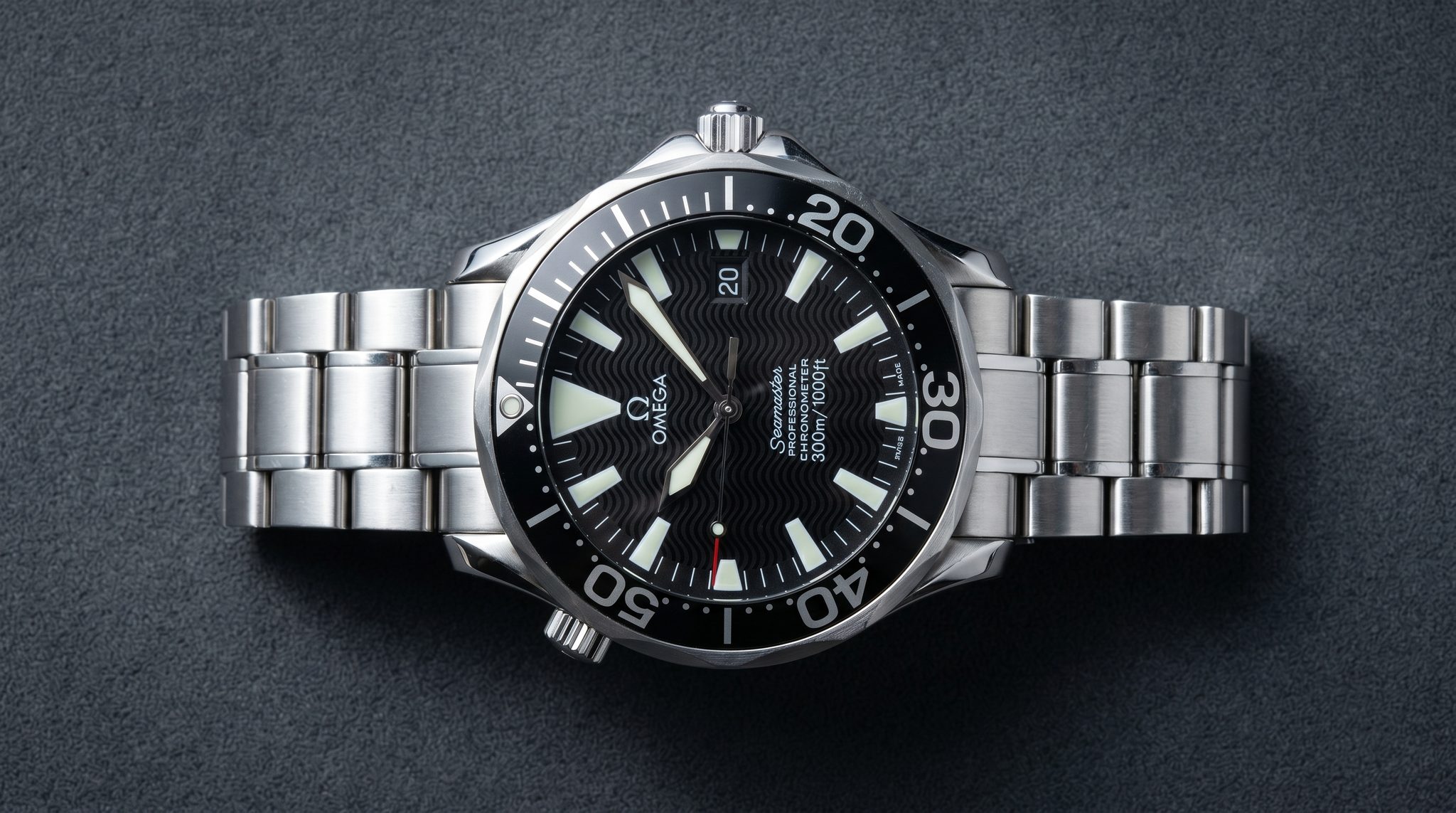
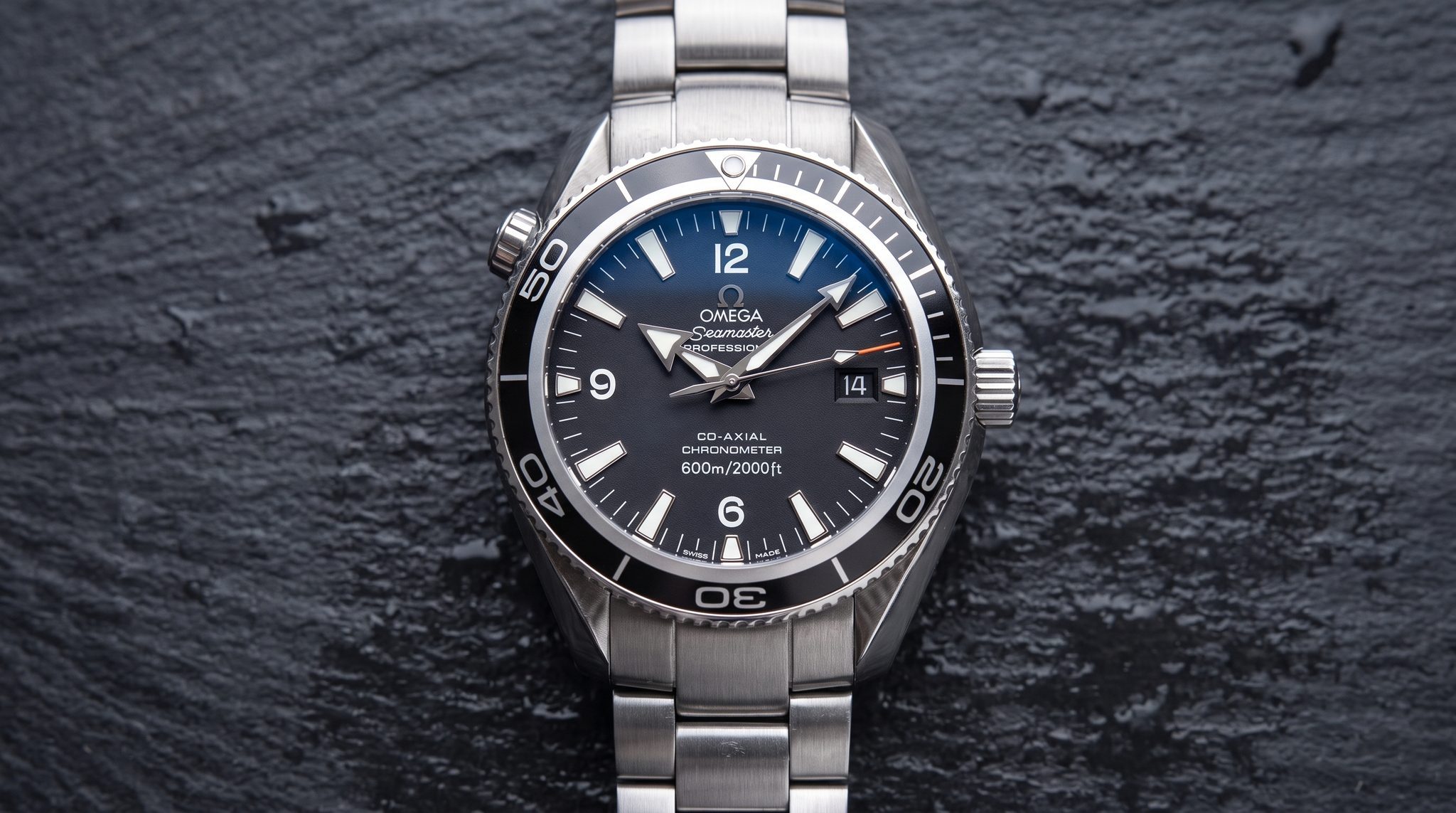
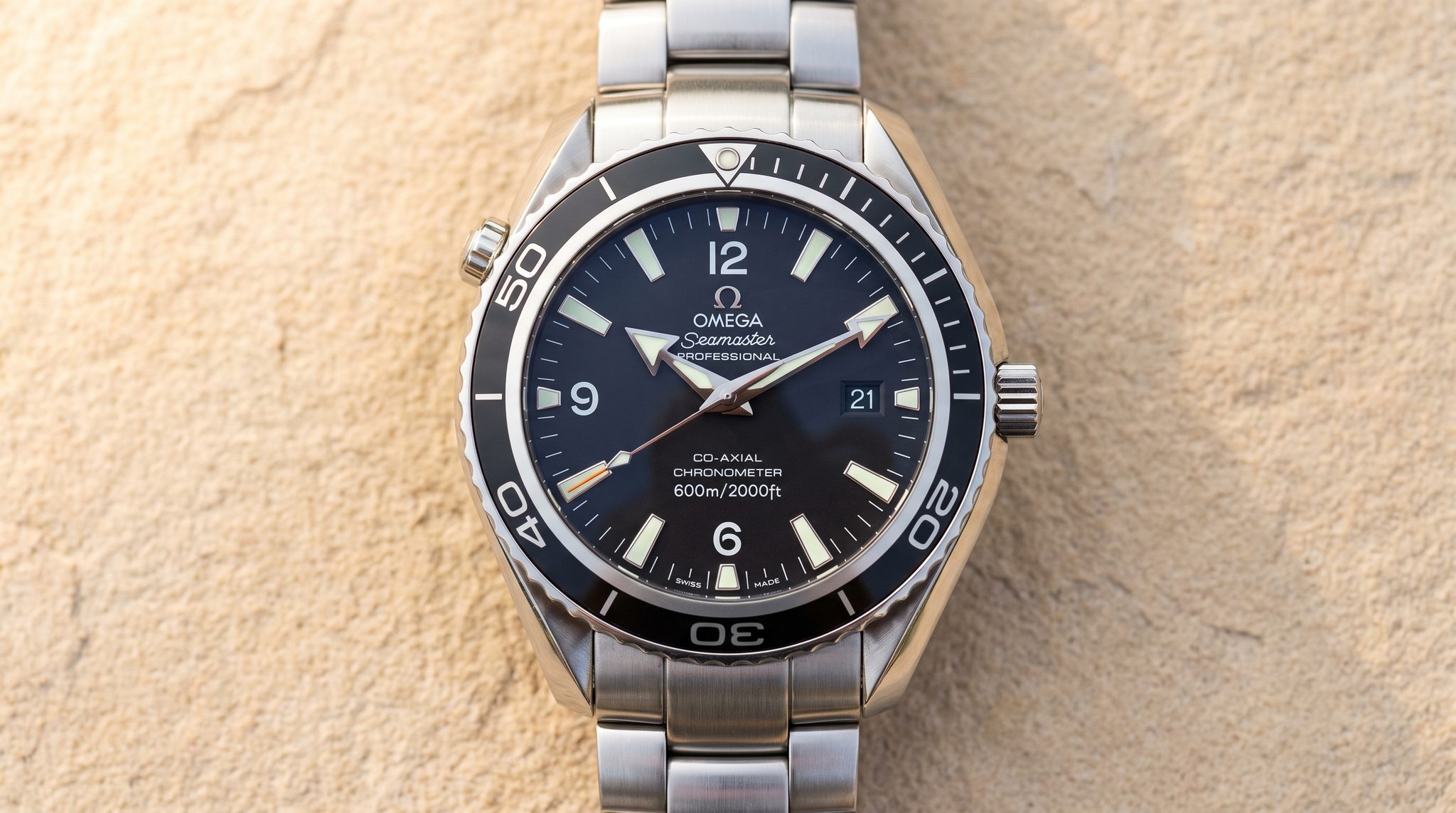
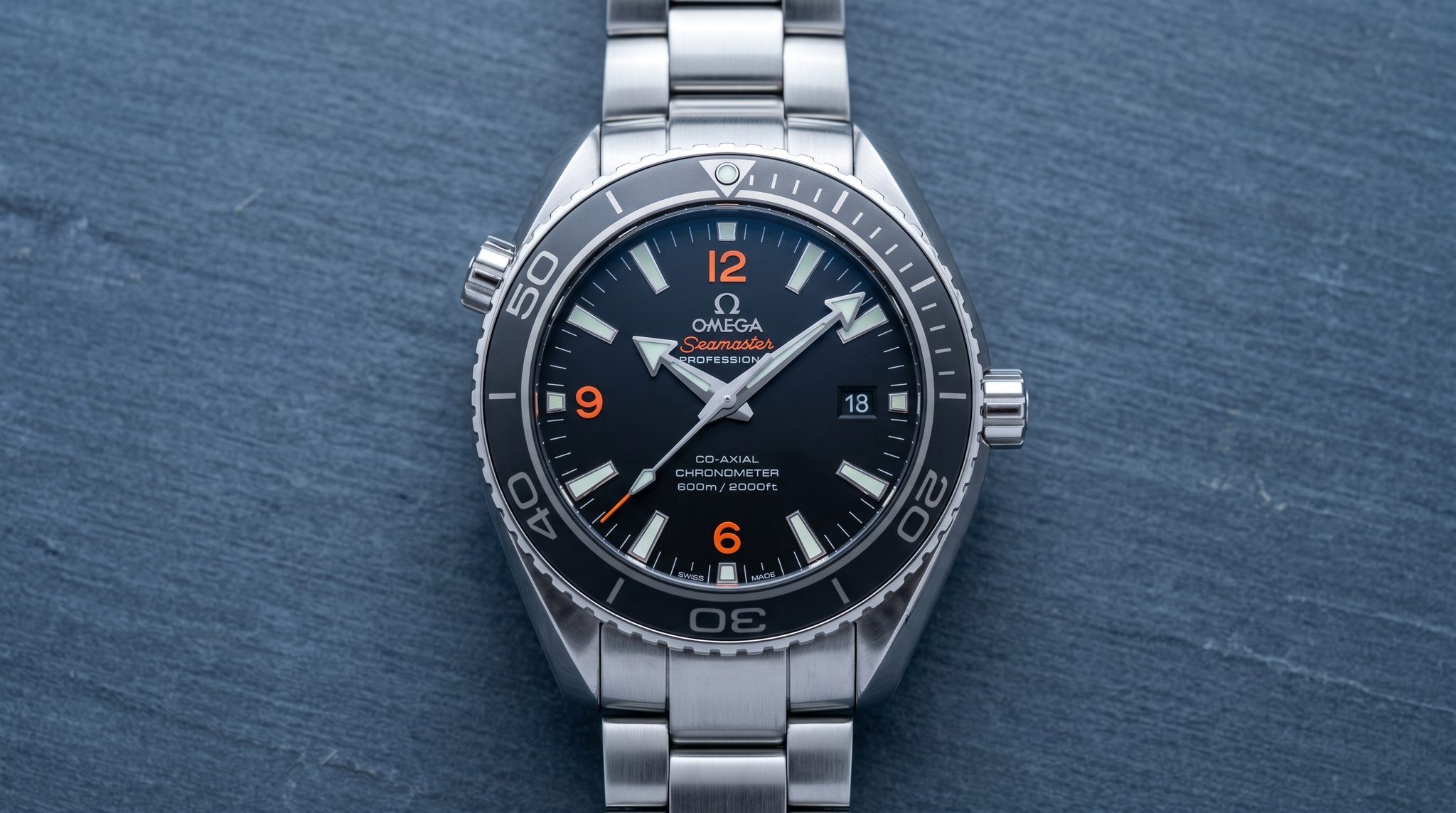
For most collectors, Omega’s center of gravity lives in a handful of families whose purposes are legible on the wrist. Speedmaster begins in 1957 as a racing and technical chronograph, defined by the tachymeter bezel and the familiar three-register layout, and later becomes the Moonwatch line after NASA flight-qualification in 1965 and use on all six lunar landings. Seamaster begins earlier, in 1948, as a water-resistant everyday watch, then expands into a broad umbrella that includes professional diving watches such as the Seamaster 300 launched in 1957 as part of the same instrument-watch “trilogy” era as Speedmaster and Railmaster. Constellation stands for chronometer-focused dress watches, while De Ville and modern Seamaster Aqua Terra occupy the dress and hybrid everyday lanes.
The market’s strongest attention over roughly the last decade has clustered around Omega’s historically anchored tool models, especially Speedmaster Moonwatch-linked references and early professional dive Seamasters, because the stories are both documented and visually consistent. Heritage-driven modern releases benefit from the same dynamic when they draw a straight line back to mid-century designs. The zoomed-out consequence is that collecting Omega often feels like reading a large archive through objects small enough to wear: the brand’s scale and long-running platforms create countless “nearly right” watches, and the collecting premium concentrates on examples whose parts, documentation, and era all agree.
15 references across 2 model families
How Omega reference numbers work
Omega reference numbers fall into three broad eras, and reading them correctly is one of the fastest ways to avoid mixing generations. Before about 1962, references were comparatively sparse and less standardized, often described by collectors as letter-plus-digit formats where letters can indicate material or case type and the numbers identify the model. From roughly 1962 to 2007, Omega used dotted case/reference formats such as XY.123.456 and XY.123.4567, with prefix letters commonly tied to material or case designation and the numeric blocks encoding characteristics in ways that can vary by family and period. Guides also describe an overlapping “short PIC” format used in the 1988–2007 transition window.
From 2007 onward, Omega uses the 14-digit PIC14 structure written as AAA.BB.CC.DD.EE.FFF. Omega’s own decoding states that AAA identifies the line or family, BB the material of the watch head and bracelet or strap, CC the diameter and size, and DD the movement or complication. Collector and Omega product-identification material further shows EE used for the dial variant and FFF as the final execution number for the exact configuration.
Two modern examples illustrate the logic: 210.30.42.20.01.001 follows family to execution (Seamaster family, steel, 42 mm size, movement block, black dial, then exact variant), and 311.30.42.30.01.001 shows the same block grammar in the Speedmaster family. In practice, the early blocks define the platform, the later blocks define the exact build.
Where to start with Omega
Collecting Omega tends to split into two lanes that behave differently. The first is tool-watch collecting, led by Speedmaster and the professional side of Seamaster, where the market rewards historically documented narratives and stable design language. Speedmaster’s arc from 1957 racing chronograph to NASA-qualified watch in 1965, then the Moonwatch worn on six lunar landings, creates an unusually clear framework for deciding what matters. Seamaster’s breadth means collectors often separate professional dive watches, especially historically important early dive models and their coherent modern descendants, from abundant dress-leaning Seamasters that can be beautiful but are less driven by a single tool-watch storyline.
The second lane is precision and design-led collecting, where Constellation represents Omega’s chronometer-focused dress identity and De Ville covers more purely urban, design-driven dress watches. These categories reward originality and period-correct details, but they are not pulled as strongly by the same widely cited tool-watch narratives.
Across all lanes, Omega’s sheer historical output makes the category especially reference-sensitive. Auction and editorial coverage treat originality of dials, hands, bezels, crowns, pushers, and movements as value-defining, and the brand’s long-running platforms mean service replacement and parts mixing can create convincing but historically incoherent watches. As a result, the market tends to favor pieces that either have strong documentation, or whose visible components tell one consistent era story without needing special pleading.
Common questions about Omega
Omega’s origins are traced to 1848, when Louis Brandt opened a watchmaking workshop in La Chaux-de-Fonds assembling watches from parts supplied by local craftsmen. After Brandt’s death in 1879, his sons modernized the company and shifted production to Bienne/Biel, a move associated with more industrialized production.
- OMEGA Space Legacy | Official Watch & Moon Mission Timepiecesomegawatches.com
- Find information about the brand and our product (Omega FAQ on reference numbers)omegawatches.com
- Omega Watchmaking History (Chronicle)omegawatches.com
Show 8 more
- Celebrating 125 years of The OMEGA Nameswatchgroup.com
- Omega SAen.wikipedia.org
- History of the Omega brand (Brandt to Biel industrialization)cliniquehorlogere.ch
- Omega Speedmasteren.wikipedia.org
- Omega Seamasteren.wikipedia.org
- Reference Points: Understanding The Omega Speedmaster Professionalhodinkee.com
- Omega | Watches for sale, auction results & historychristies.com
- Omega: watchbrands overviewfratellowatches.com