

Patek Philippe
Patek Philippe is the watchmaker that turned a practical technical breakthrough into a prestige identity built on repeatable forms and legible references.
Patek Philippe is the watchmaker that turned a practical technical breakthrough into a prestige identity built on repeatable forms and legible references. The most concrete early proof is Adrien Philippe’s keyless-winding system, which removed the need for a separate winding key and made daily use simpler and more secure.
The company began in Geneva in 1839 as Patek, Czapek & Cie, founded by Antoni Norbert de Patek and Franciszek Czapek, then reorganized in the early 1850s around Adrien Philippe’s technical influence and took the name Patek Philippe. That through-line, a 19th-century origin story tied to identifiable inventions, still matters to collectors because it anchors what the brand has long been judged on: technical leadership, high-end finishing, and continuity that makes different eras feel like parts of one lineage rather than disconnected “vintages.” Modern brand histories also emphasize the firm’s long patent record, often summarized as over 100 patents, as shorthand for that innovation culture.
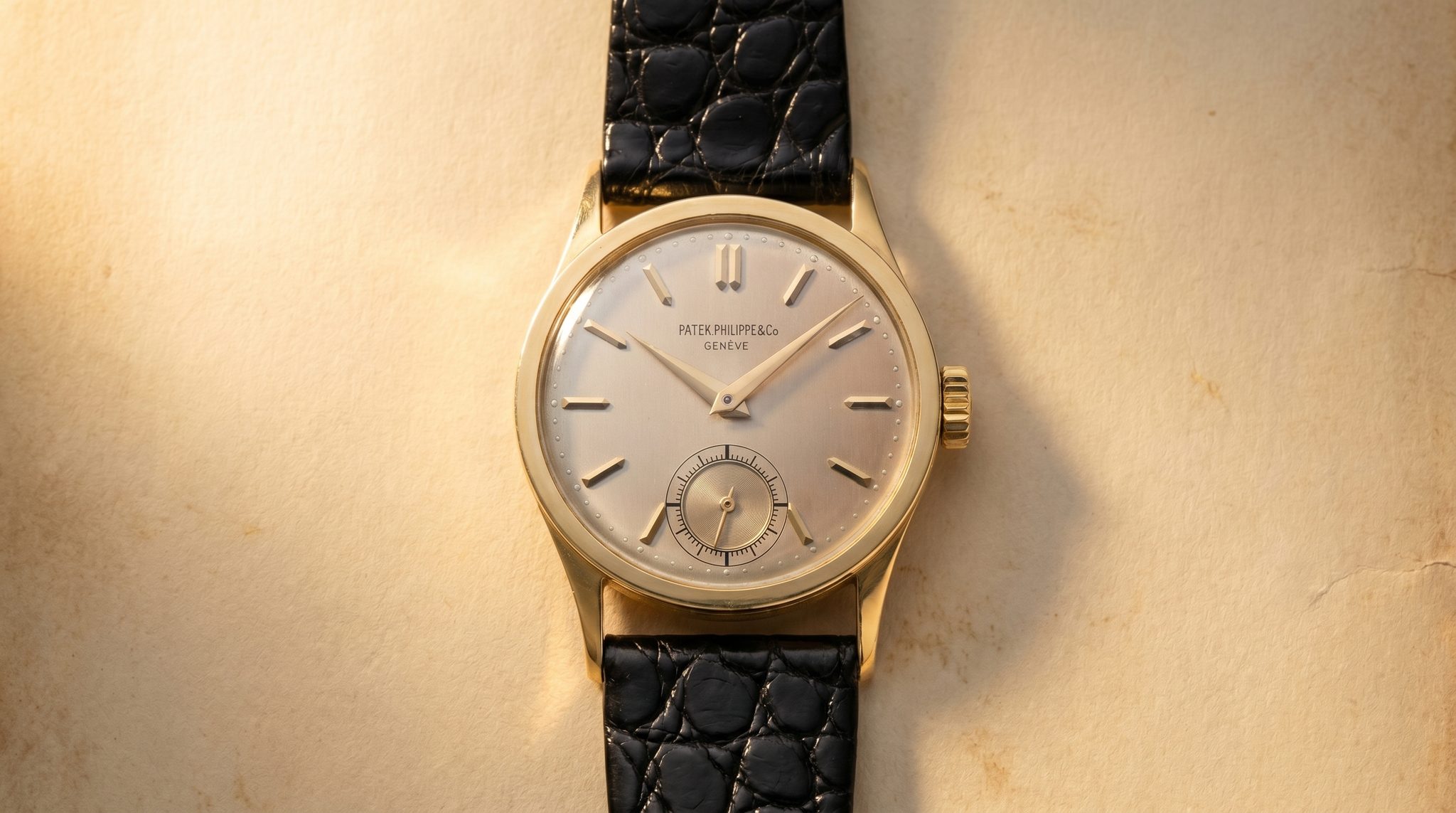
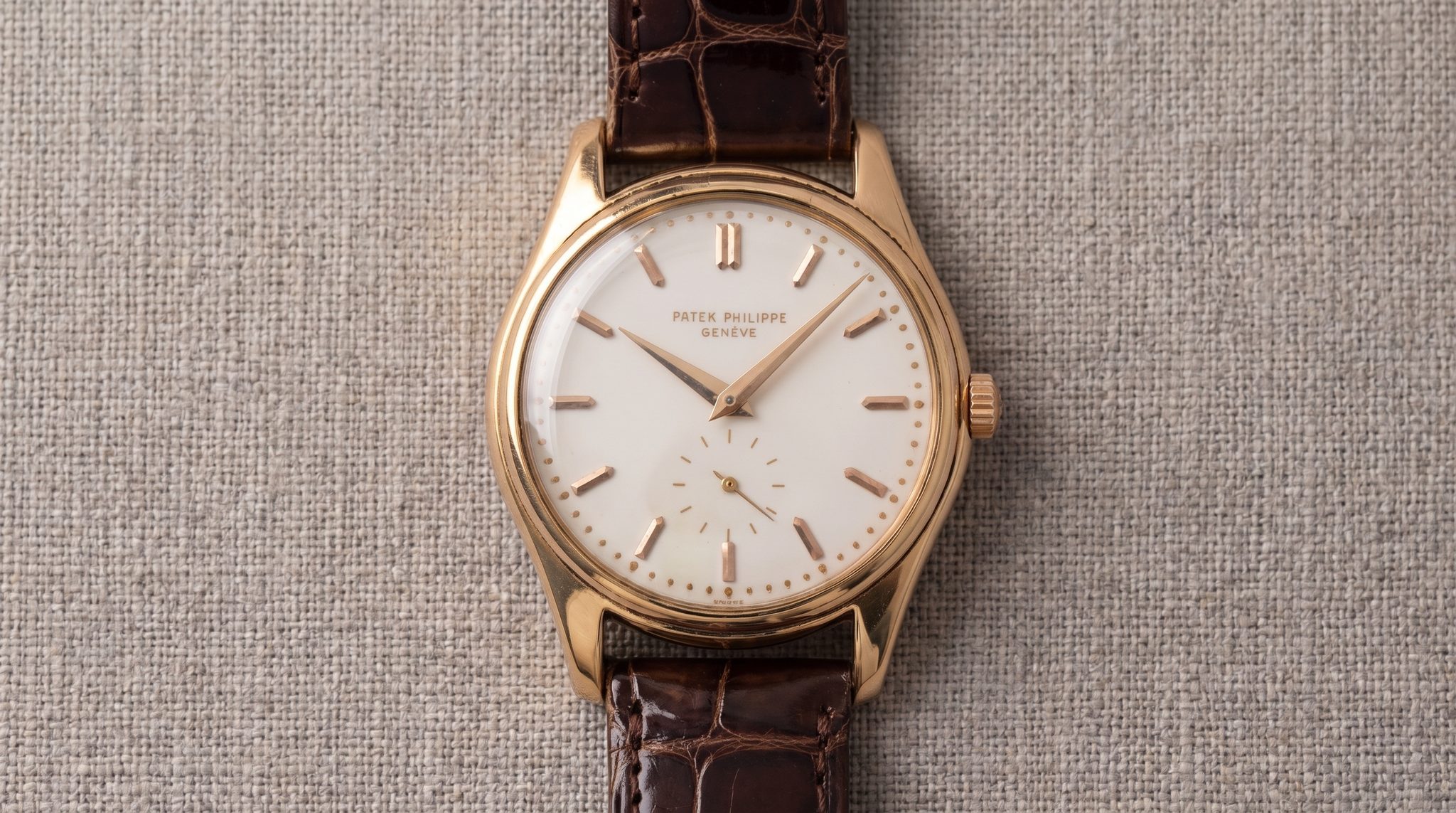
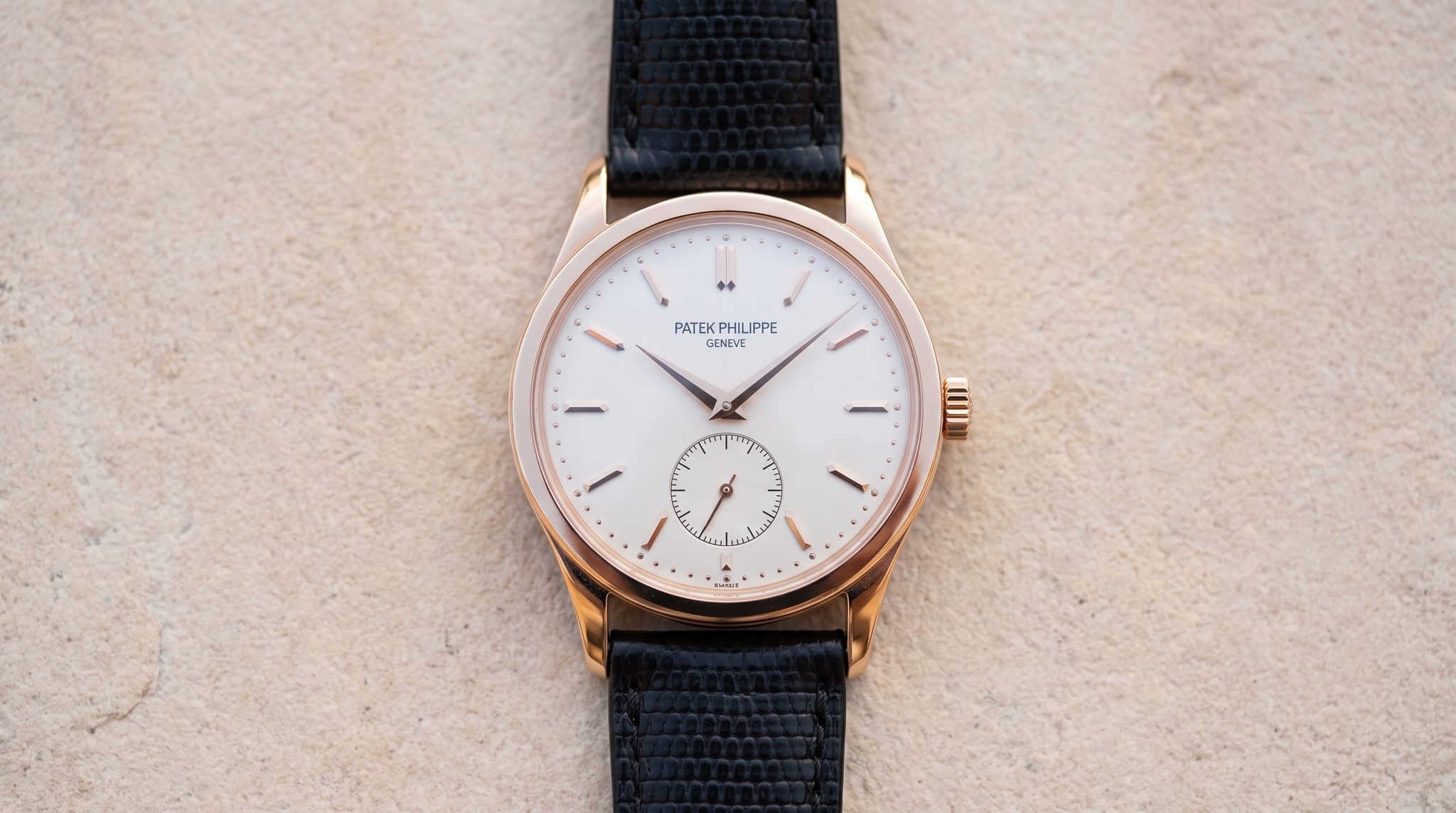
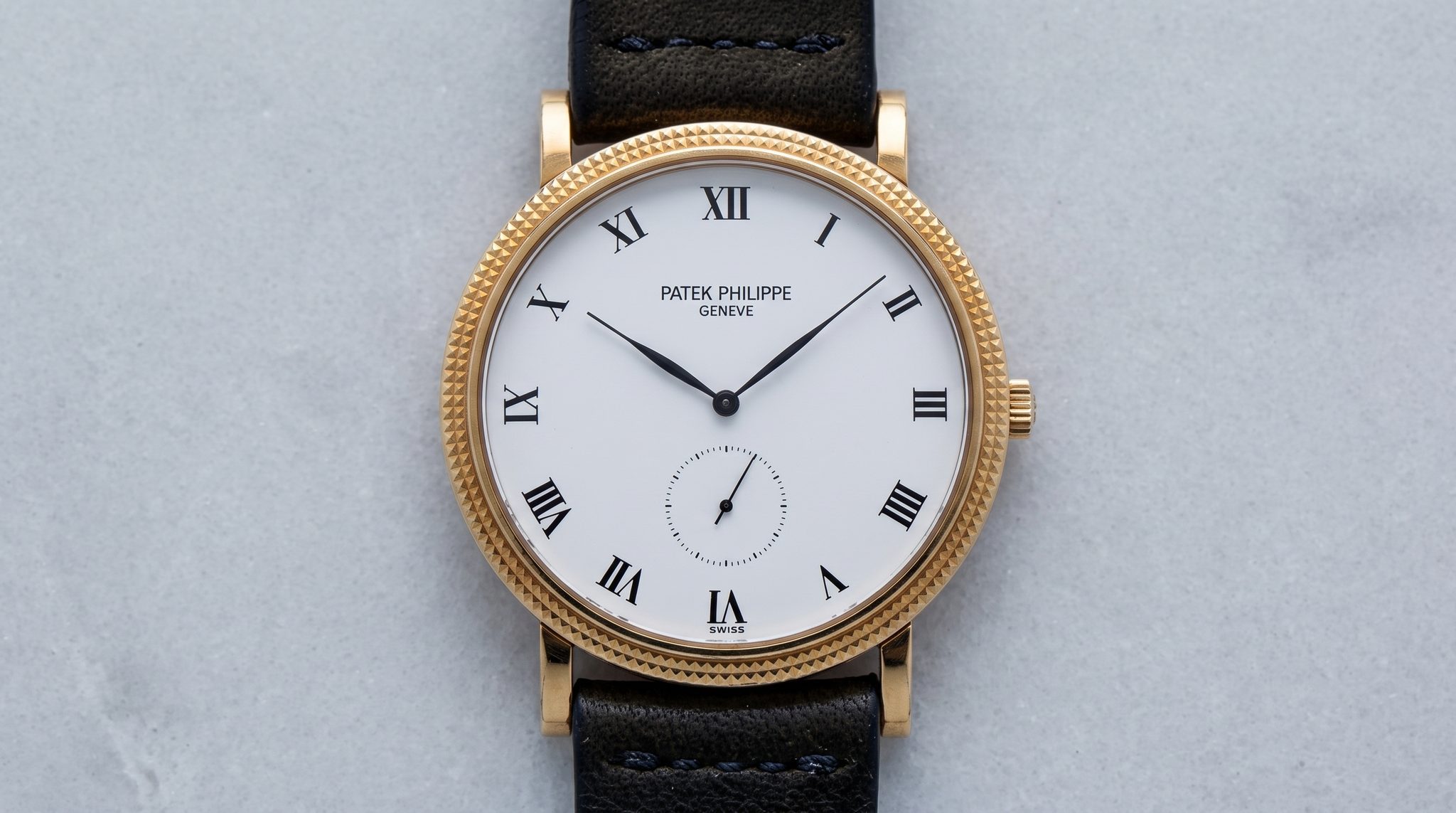
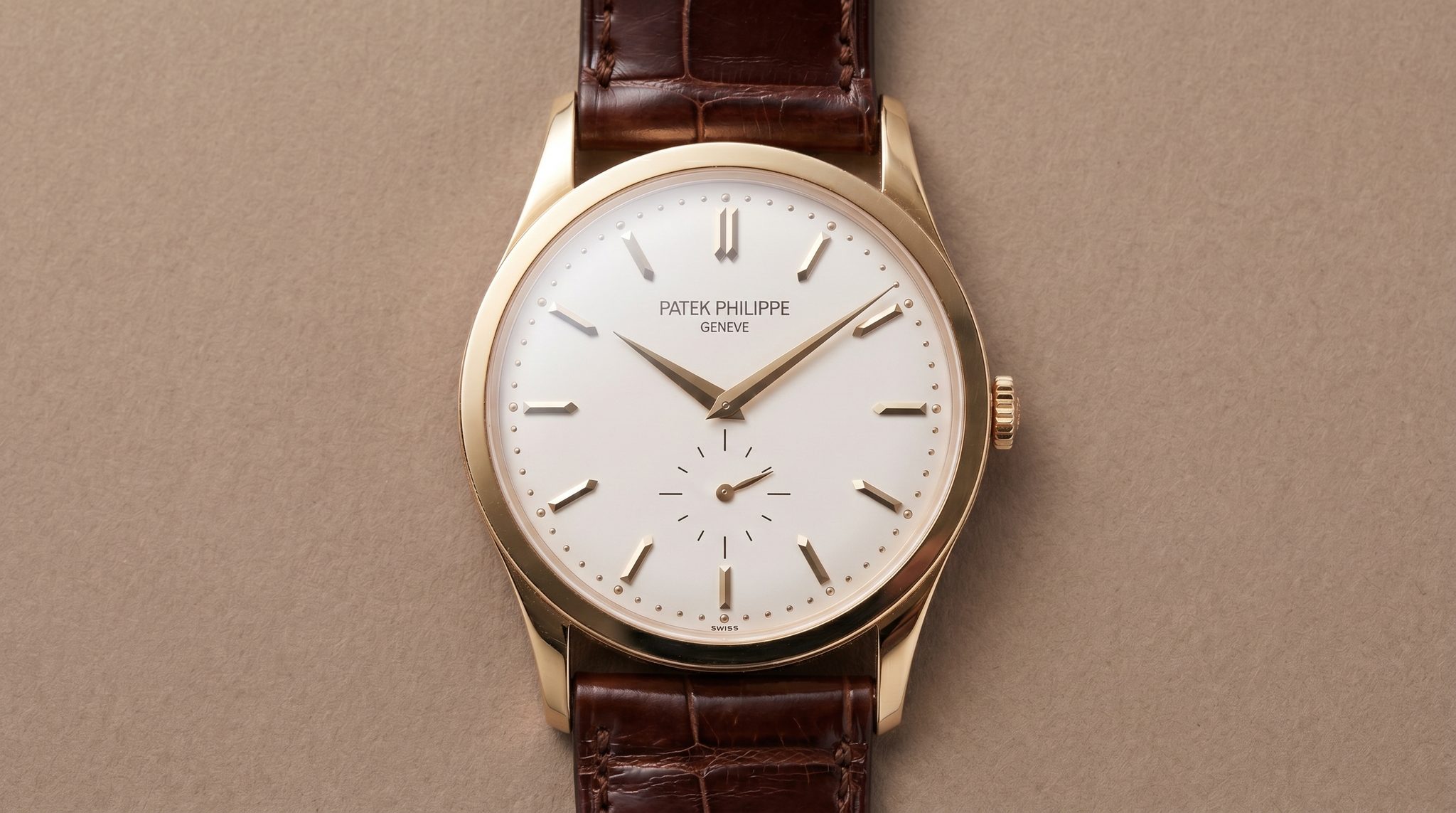
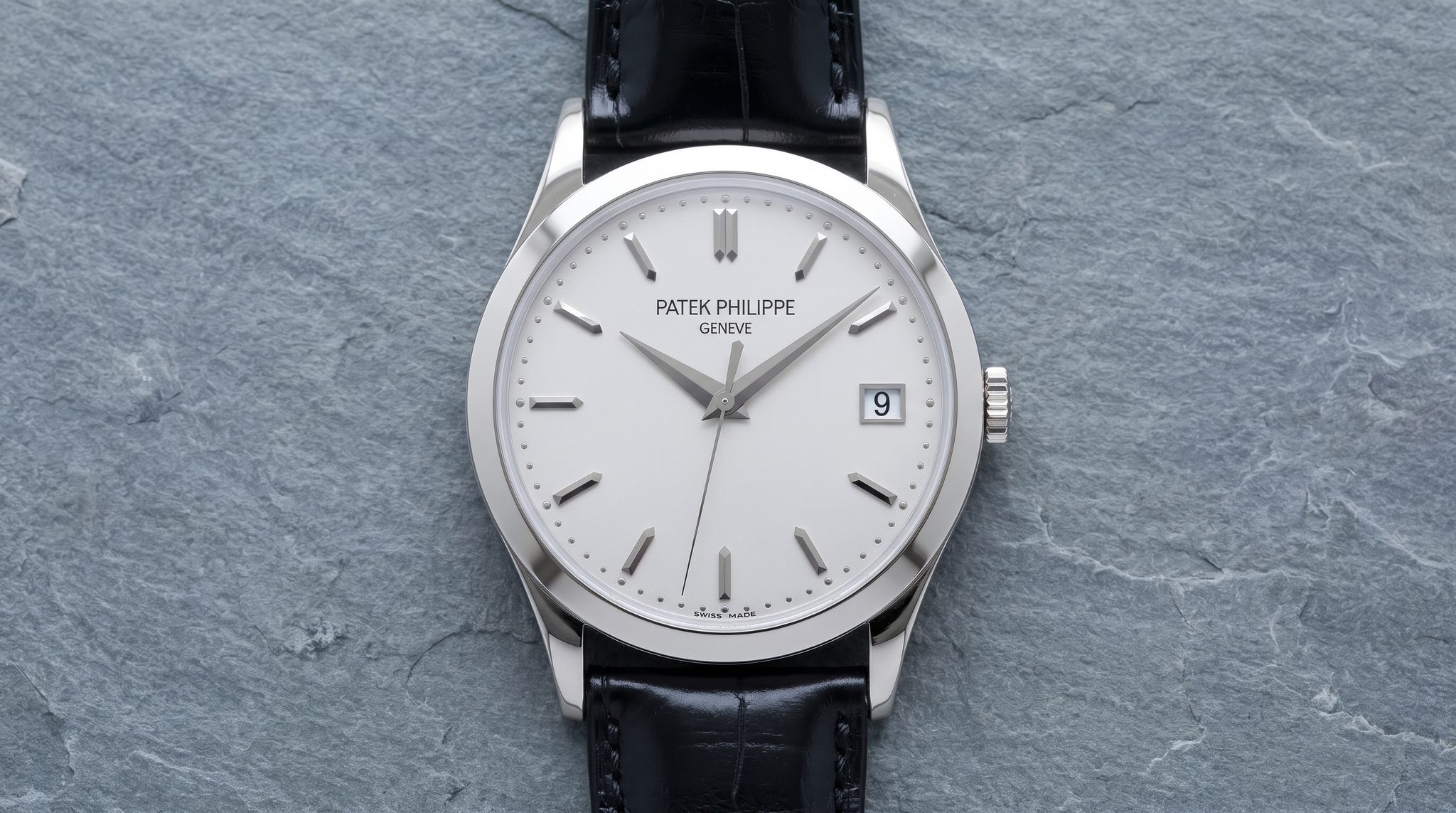
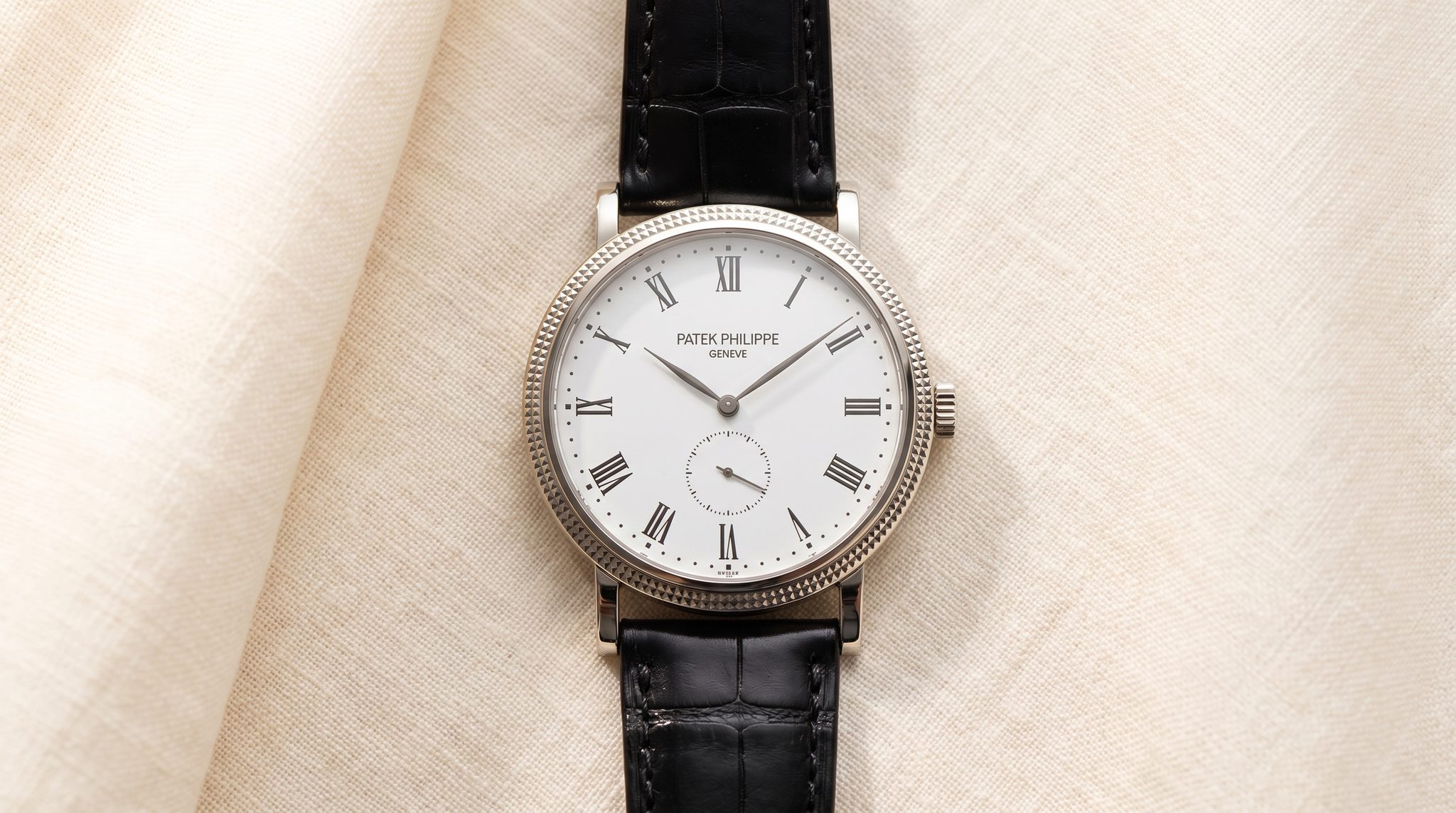
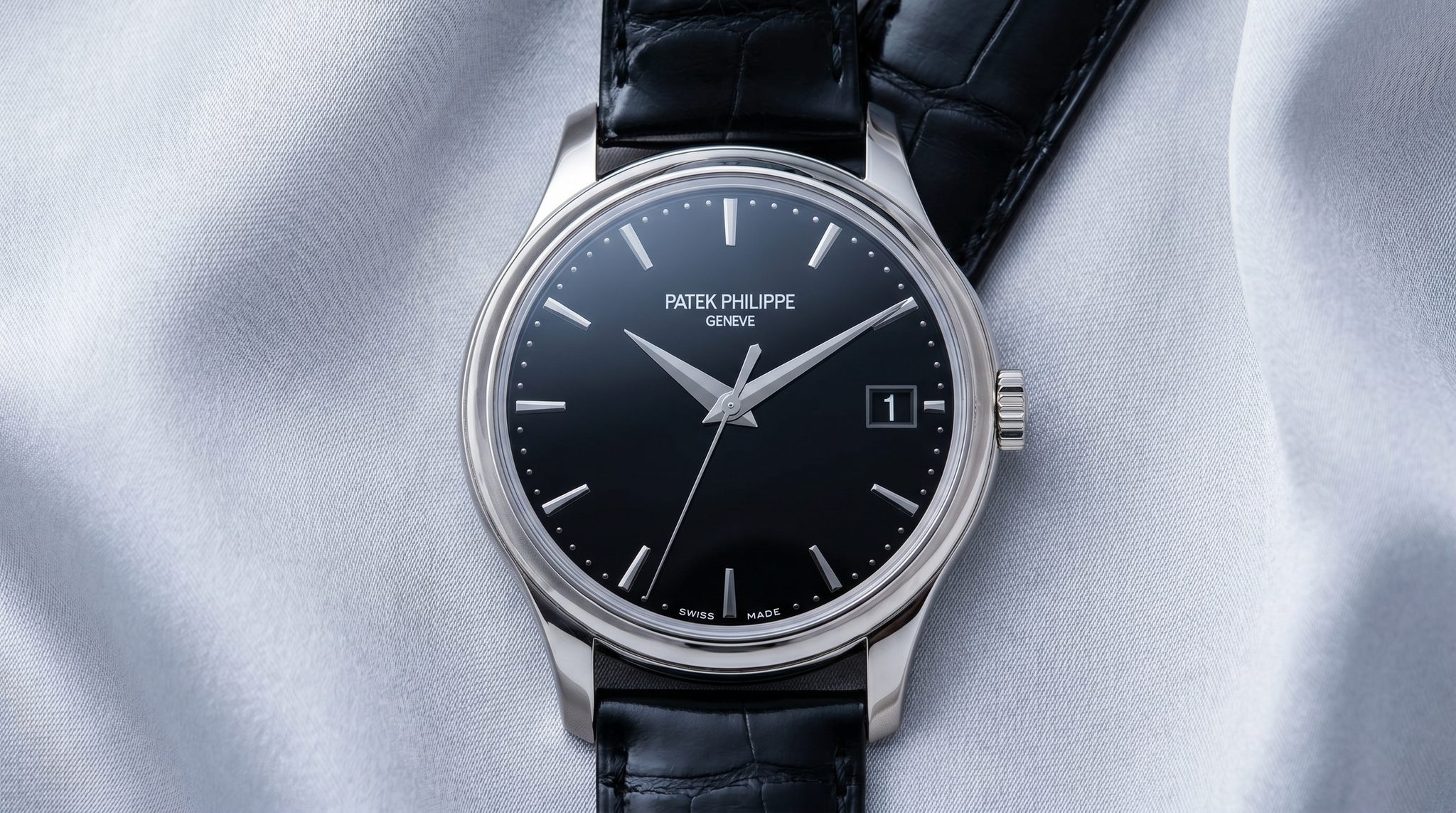
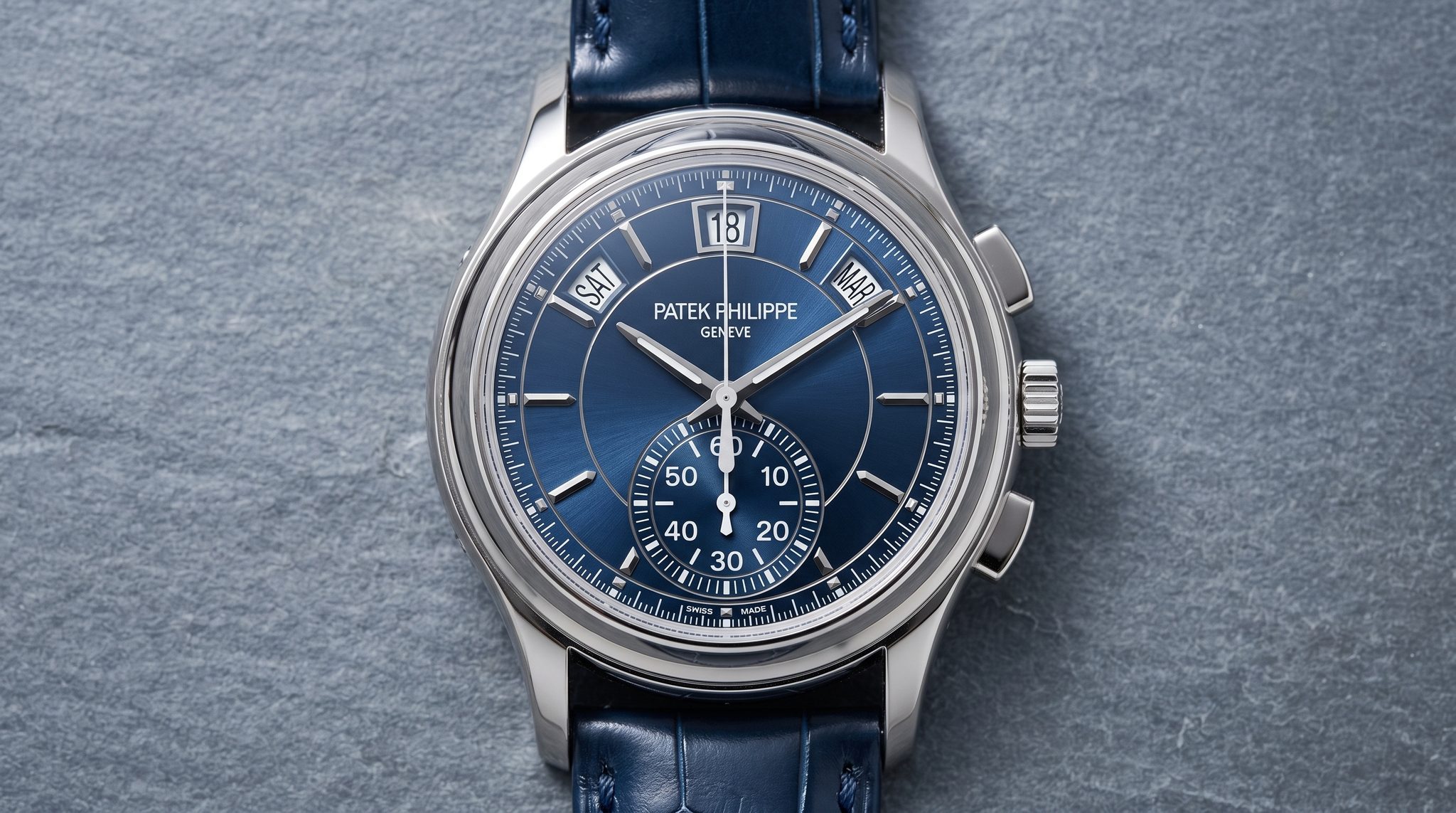
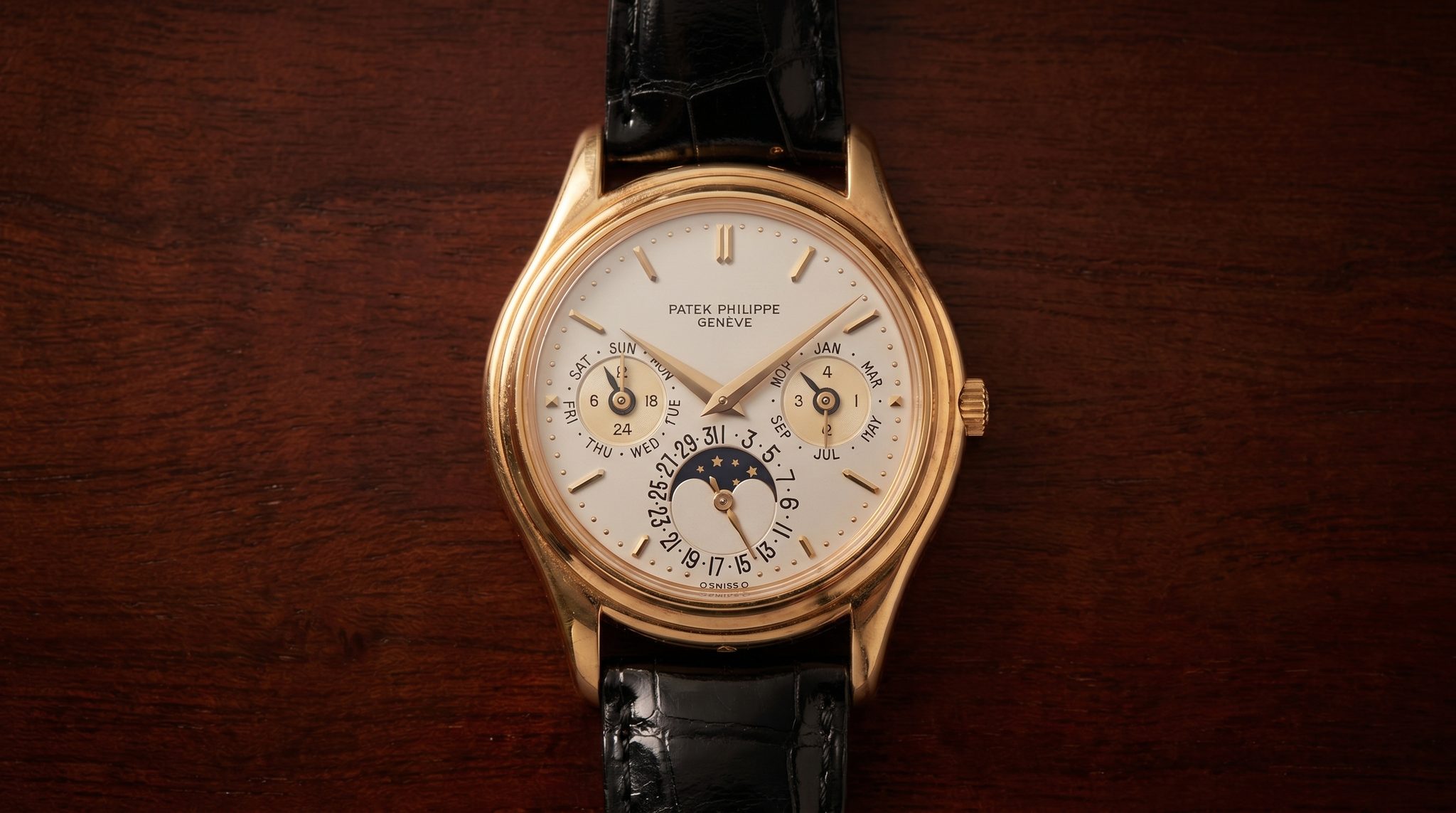
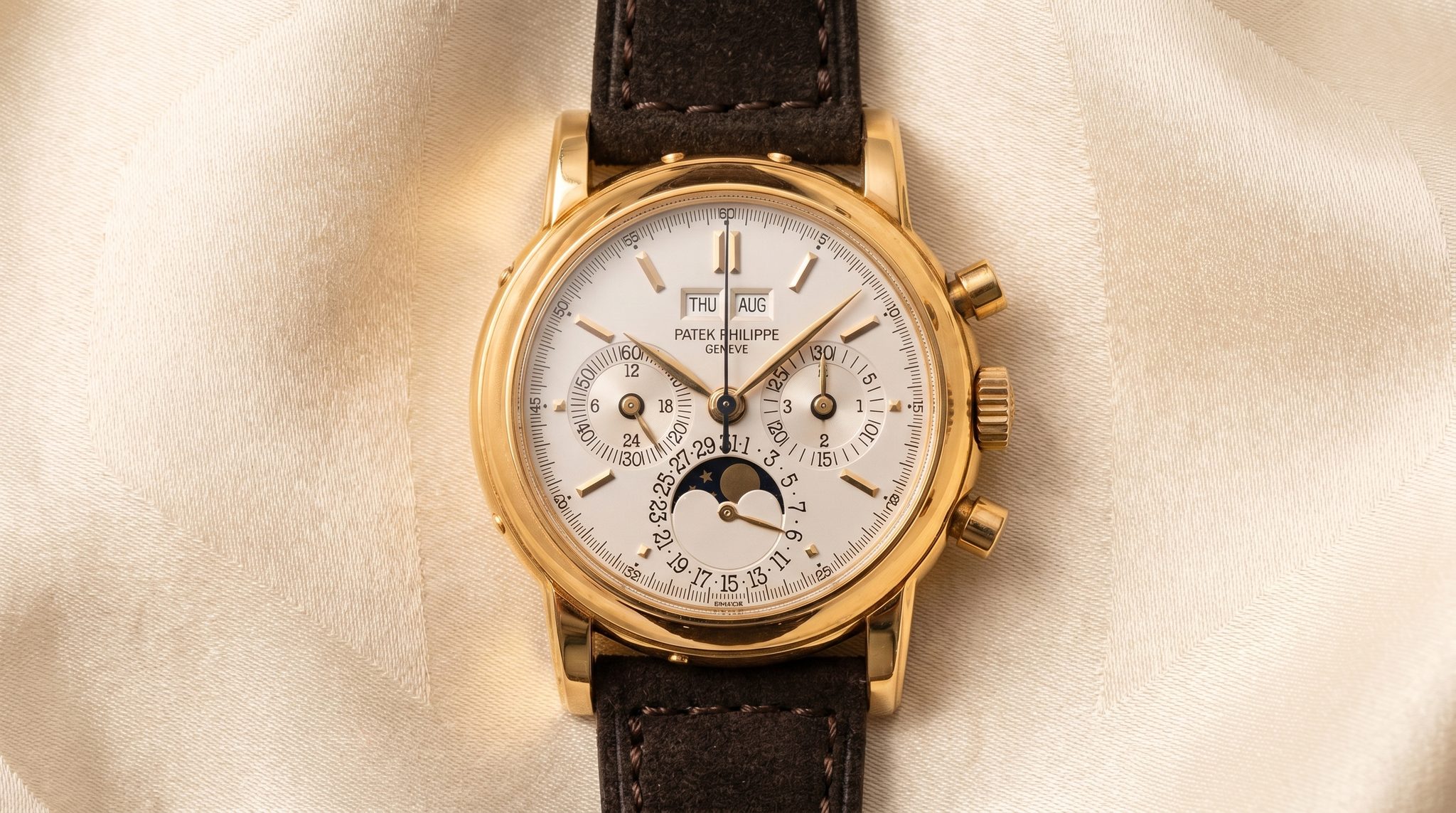
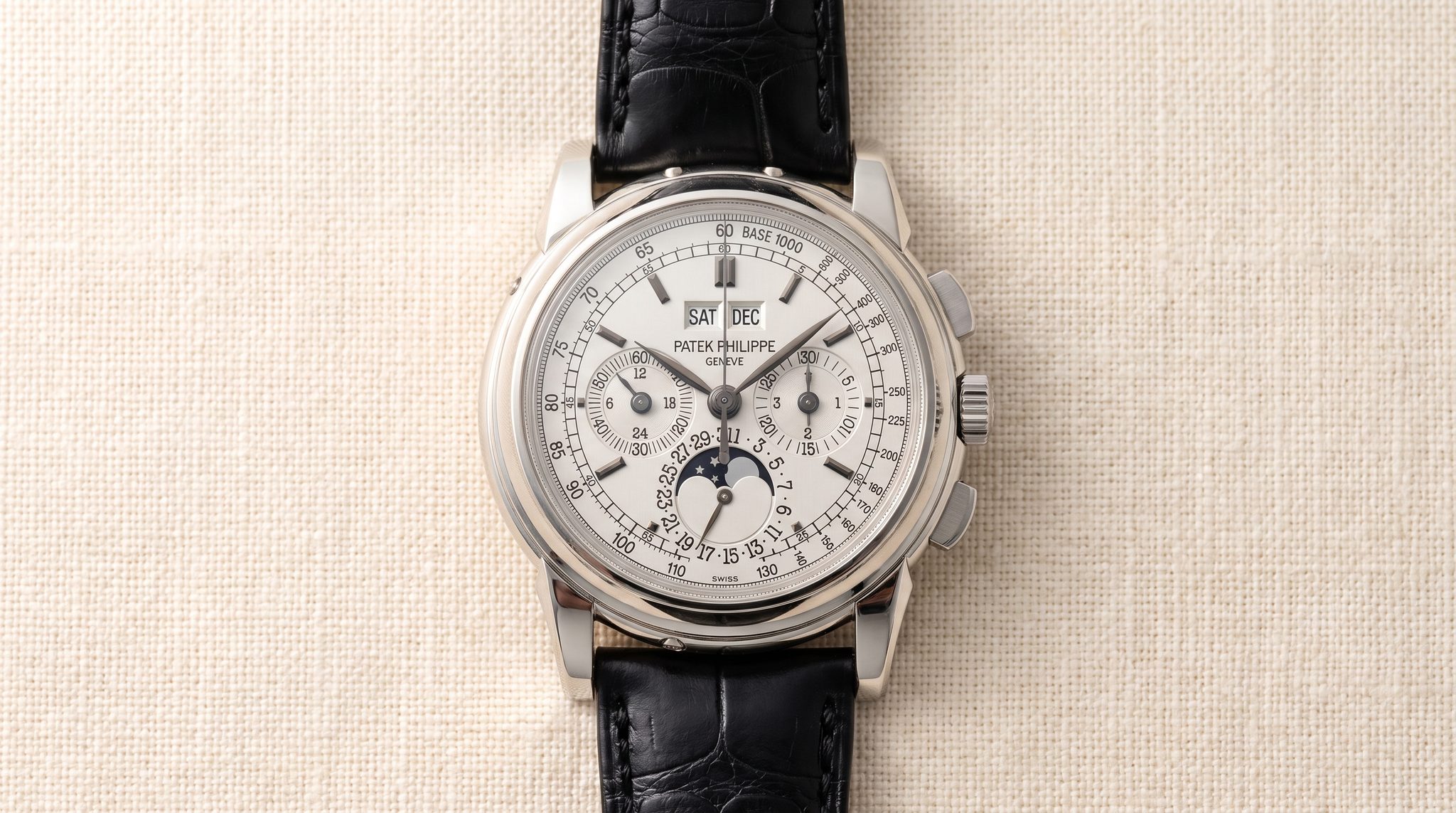
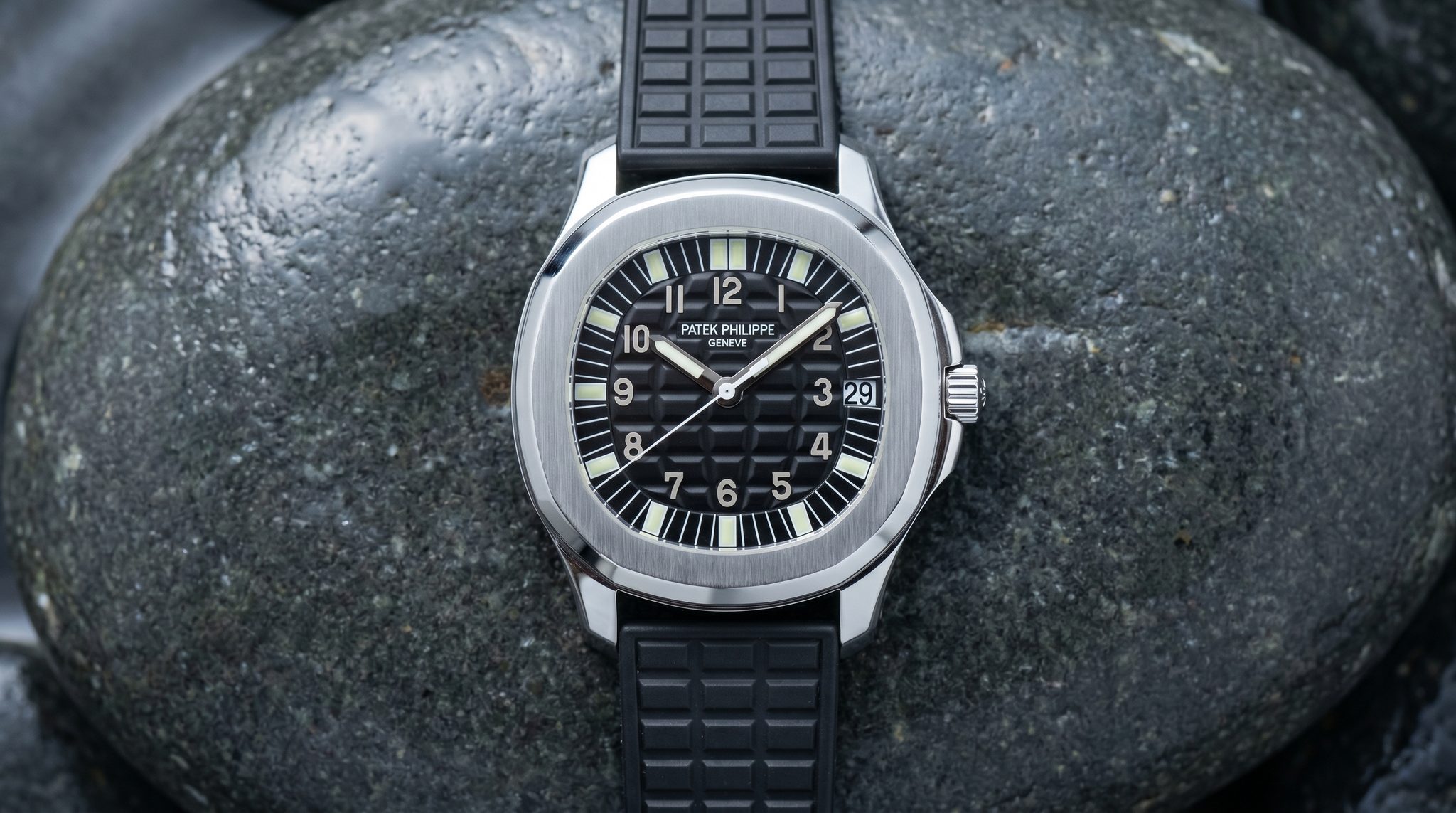
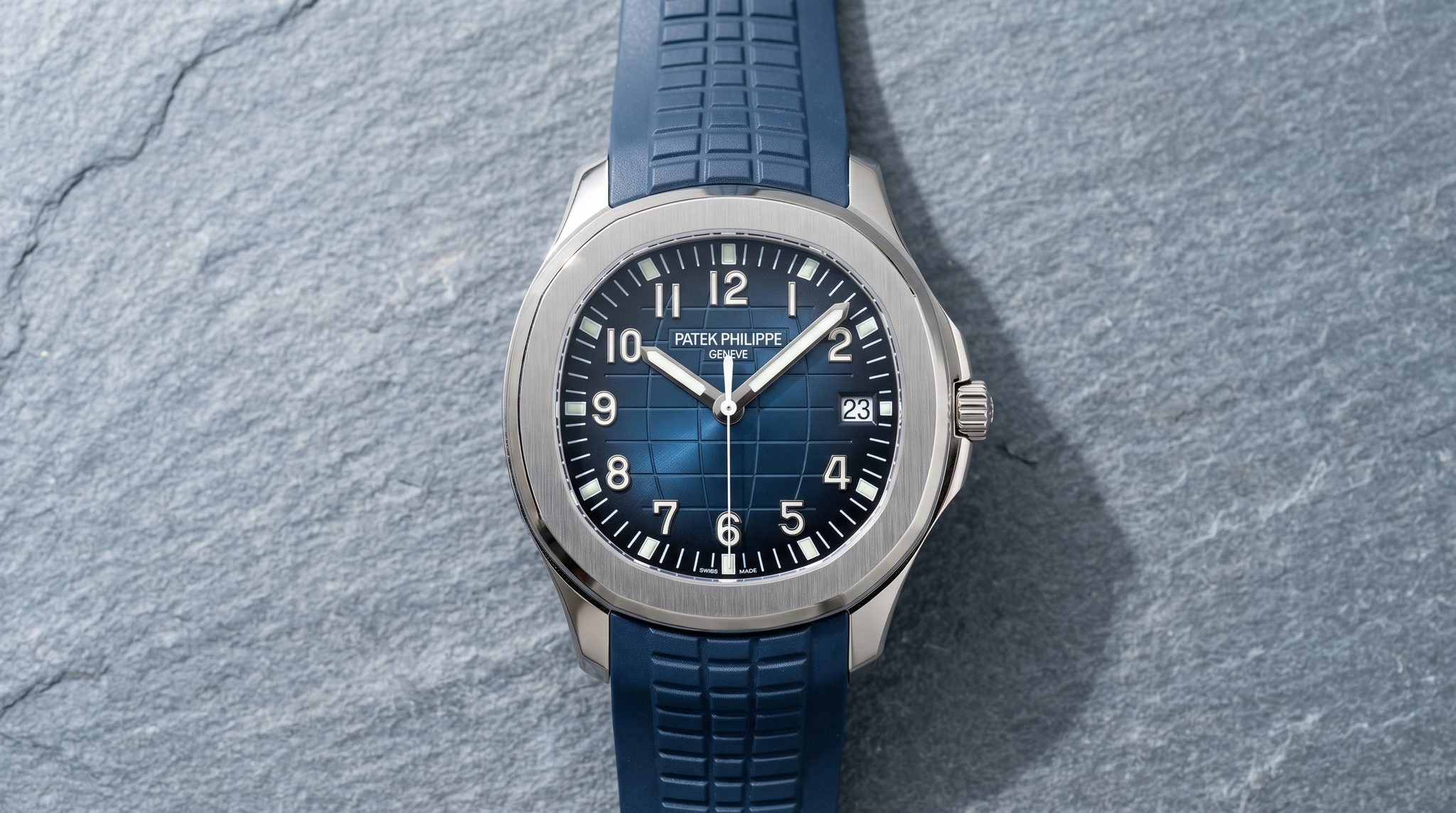
What makes Patek unusually “readable” in collecting is how the product identity settled into families that act like stable visual archetypes. A Calatrava is most often a round, restrained dress watch (introduced as a named line in 1932). A Nautilus is recognizable by its porthole-inspired case, rounded octagonal bezel, and integrated bracelet (introduced in 1976, designed by Gérald Genta). An Aquanaut keeps the softened octagonal case language but leans into a more contemporary, casual presentation, frequently paired with a composite strap and an embossed pattern (introduced in 1997). Twenty~4 is explicitly women-focused and began as rectangular, diamond-set quartz “manchette” watches before expanding to round automatic versions (introduced in 1999). Complications and Grand Complications, by contrast, are organized around what the watch does rather than one case silhouette, with brand material defining a “complication” as any function beyond telling the time.
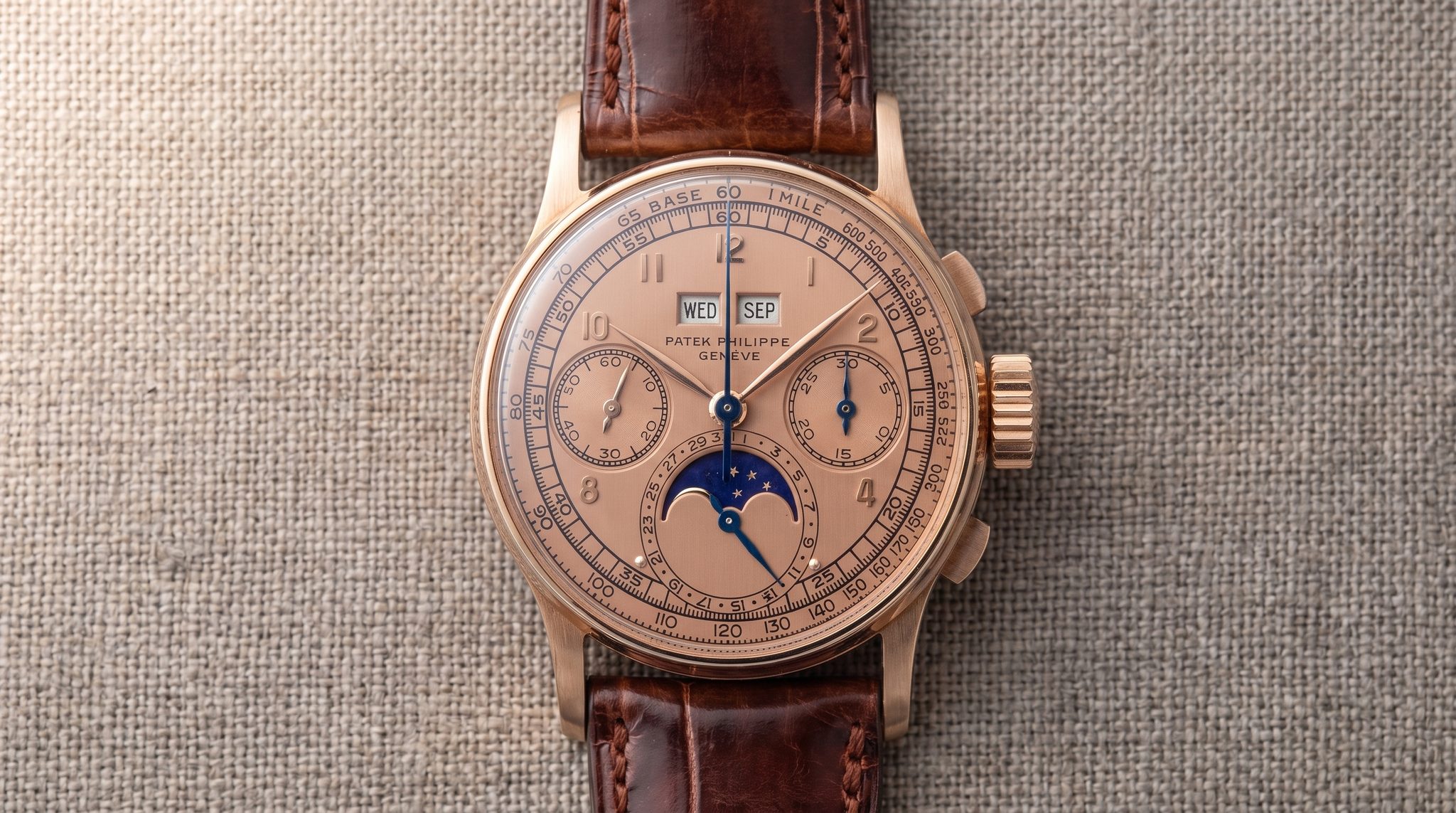
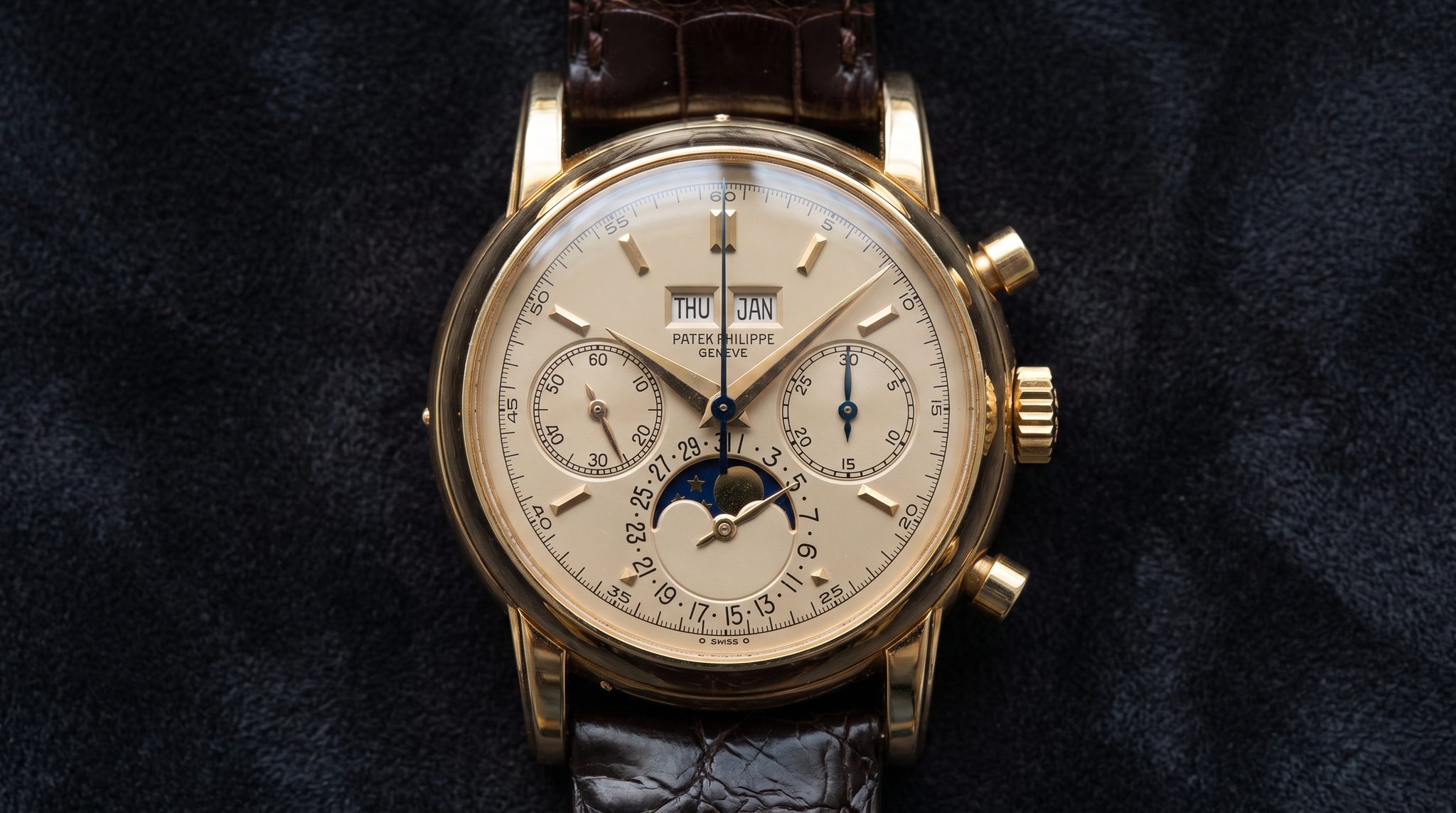
The market side of the story is also part of the evidence. In the mid-20th century, vintage Patek collecting is described as narrower and more connoisseur-driven than today. As organized watch auctions expanded, auction houses repeatedly framed exceptional Patek pocket watches and complicated wristwatches as benchmarks, which helped standardize the collector’s vocabulary around rarity, condition, provenance, and, crucially, reference-level distinctions. That reference culture is why collecting Patek Philippe often becomes a practice of reading small differences, not just choosing a category. The zoomed-out consequence is simple: Patek’s prestige is not only the sum of finishing and complication count, it is also the way the brand’s history, families, and reference language make those qualities comparable across decades.
23 references across 4 model families
How Patek Philippe reference numbers work
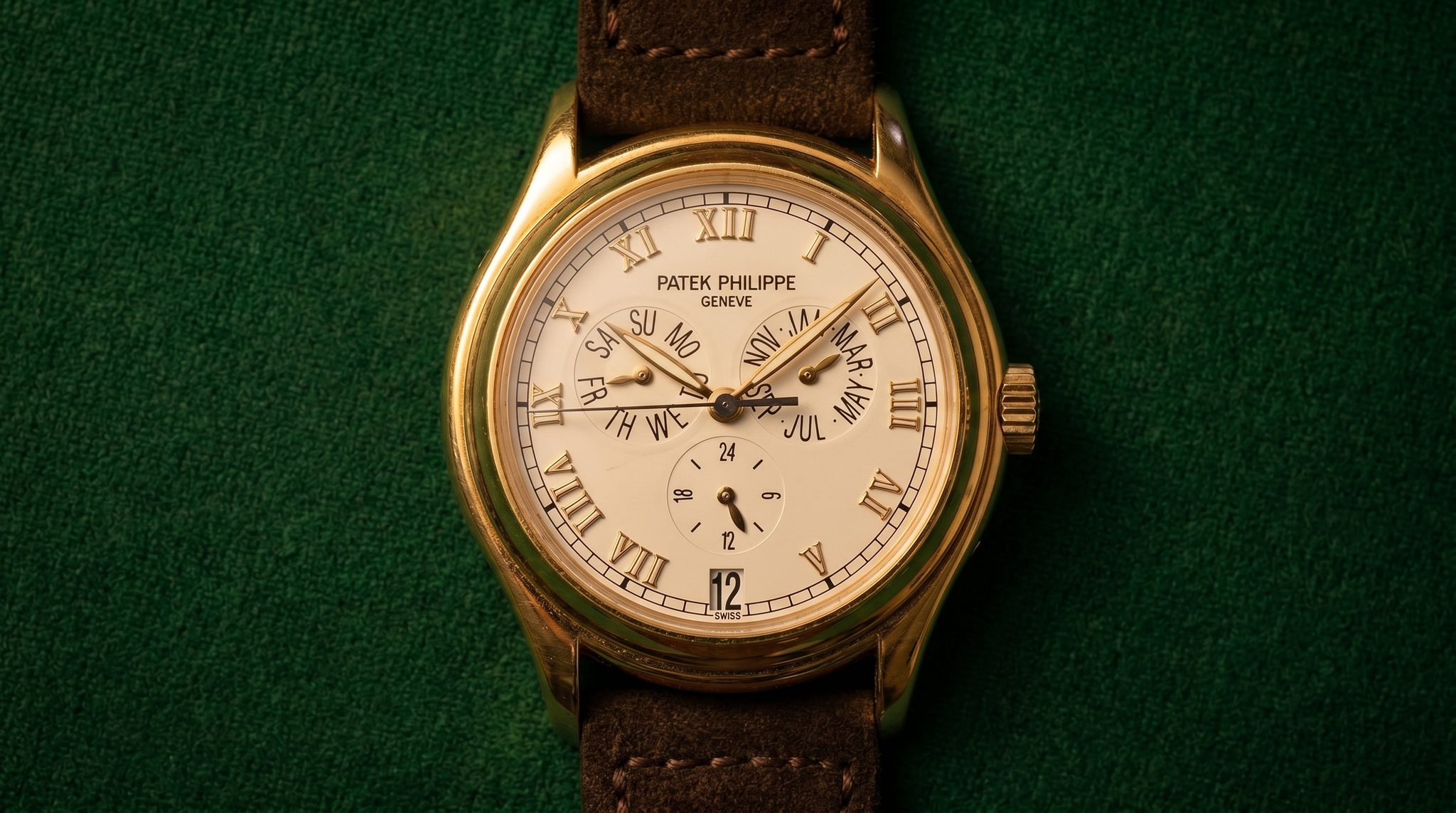
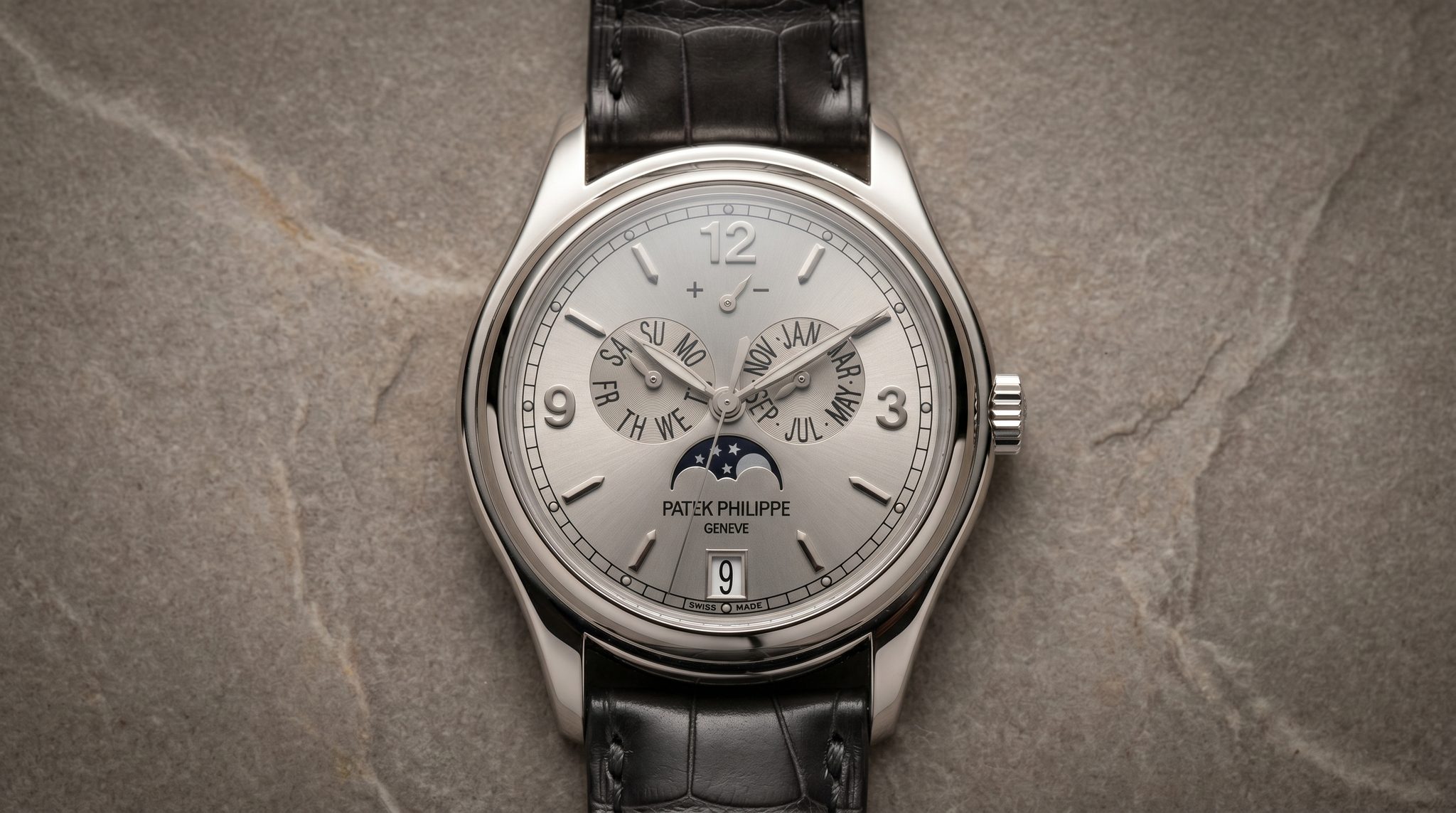
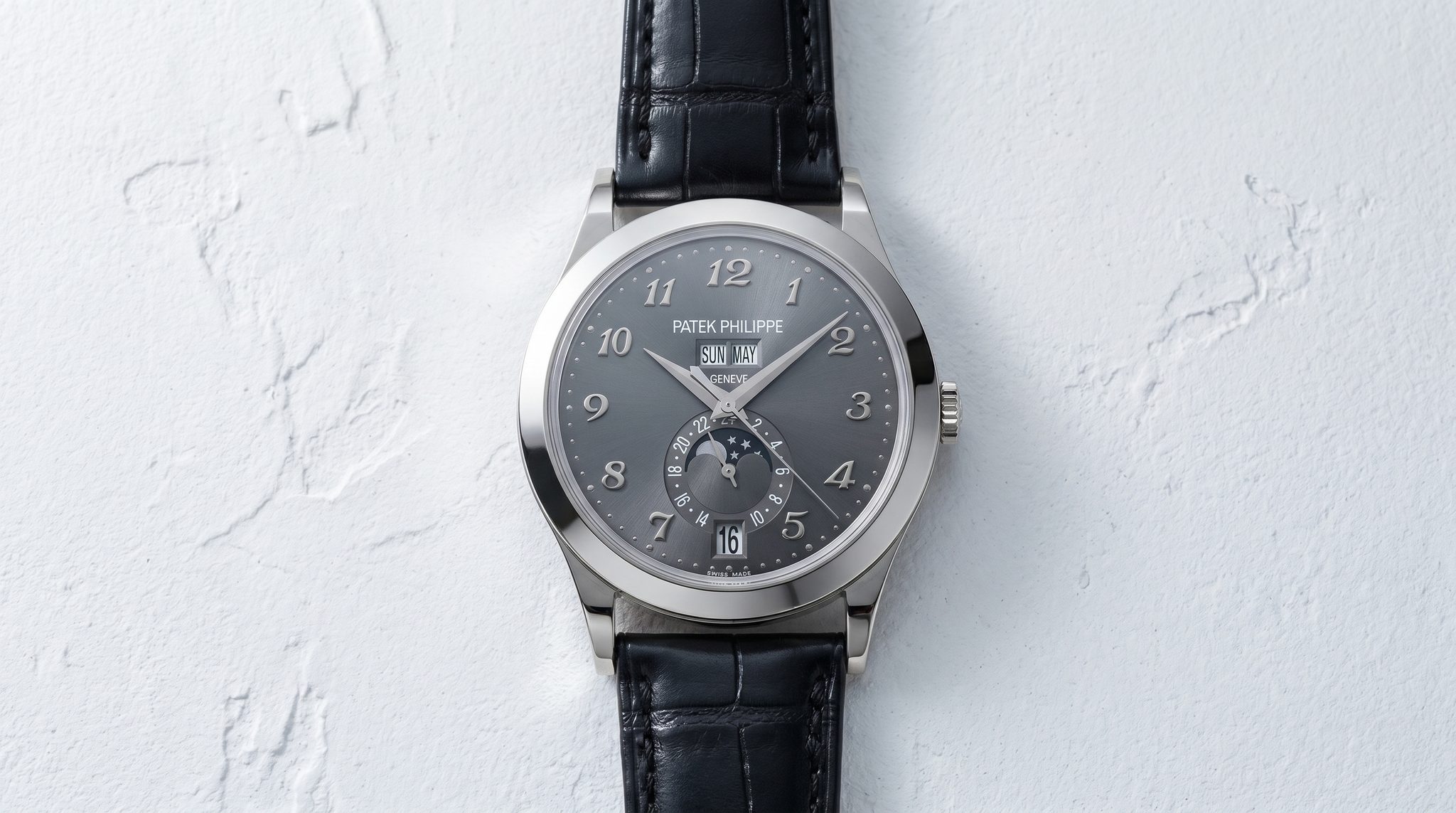
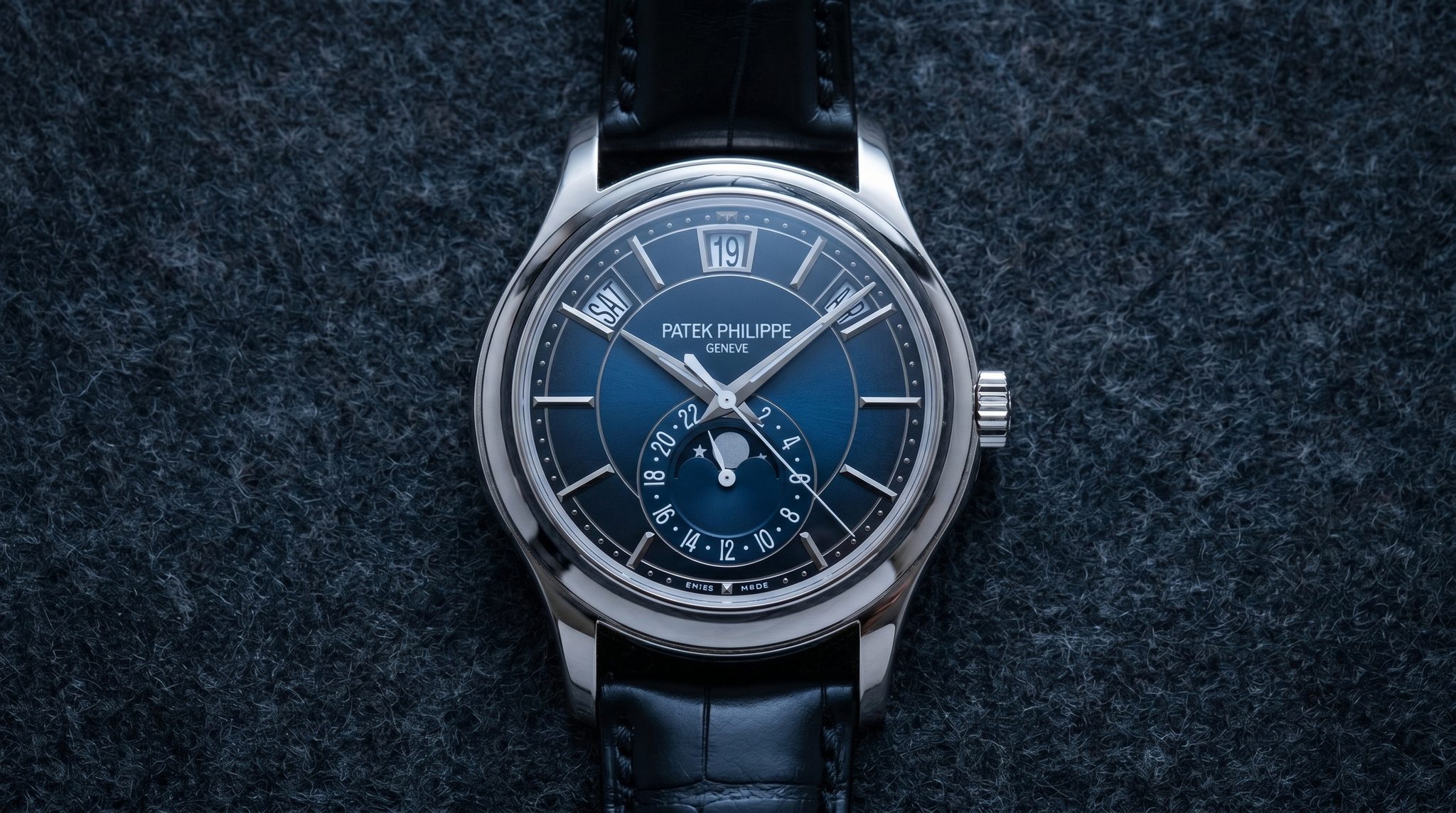
Patek Philippe has used more than one reference-number logic over time, but the modern system is the easiest to decode and is the most reliable for day-to-day identification. In that modern format, the four-digit base typically names the model family, for example 5167 (Aquanaut), 5396 (Annual Calendar), or 5905 (Annual Calendar).
A common modern pattern looks like 5711/1A-010. In this style, the slash segment is an execution code. In many modern decodings, /1 indicates a metal bracelet execution, and other slash codes are used by collectors to describe case or decorative execution, including gem-setting and engraving. After the slash, a material letter identifies the metal, for example A for stainless steel (acier), G for white gold, J for yellow gold, R for rose gold, and P for platinum. Finally, a three-digit suffix after the hyphen usually denotes a dial variant within that base reference, such as -001 or -010.
Two cautions matter. First, the slash codes are widely used collector-decoding conventions rather than a fully public, exhaustive factory legend in the material summarized here, so the exact interpretation is best verified against an archive record or an auction description for a specific watch. Second, older Patek references, especially three- and four-digit vintage references such as 2499 or 3940, function primarily as model identifiers and do not consistently encode material, bracelet, or dial in the modular way modern references often do.
Where to start with Patek Philippe
Collecting Patek Philippe tends to split into two instincts: chasing a design archetype or chasing a mechanical idea. The archetype path is family-led. Calatrava is the clearest entry into the brand’s dress-watch identity because it concentrates Patek’s restraint into a round case and typically simpler functions. Nautilus and Aquanaut are the sport-luxury poles, with Nautilus defined by the porthole case and integrated bracelet, and Aquanaut defined by a more contemporary, strap-forward look with an embossed pattern and composite strap. Twenty~4 sits apart as the women-focused line whose early identity was jewelry-like, diamond-set, and quartz-driven.
The mechanical path is complication-led. Patek’s own definition treats any function beyond time as a complication, which is why annual calendars, world times, travel-time watches, and moon phases tend to live in the Complications segment, while minute repeaters, perpetual calendars, split-seconds chronographs, and higher combinations are grouped as Grand Complications.
What the market has rewarded most consistently in the last decade, according to the brand-and-auction and dealer commentary summarized here, is the steel luxury sports boom: Nautilus first, then Aquanaut as the sport-casual alternative when Nautilus became hardest to obtain. Complications and Grand Complications can be rewarded strongly, but more selectively by reference, aesthetics, and rarity rather than as a single rising category. For a new collector, the most reliable first decision is therefore not “new or vintage,” but whether the goal is a stable dress archetype (often Calatrava, Gondolo, Golden Ellipse), a modern sport-luxury daily wearer (often Aquanaut or Nautilus), or a function-first watch where legibility and paperwork matter as much as the dial.
Common questions about Patek Philippe
Patek Philippe has used more than one system, but modern references are often modular. Typically a four-digit base identifies the model family, a slash segment encodes an execution such as bracelet or decorative treatment, a letter indicates case material, and a three-digit suffix denotes a dial variant. For older vintage references, the number is usually best treated as a model identifier rather than a code you can fully “decode.”
- Patek Philippe Collectionspatek.com
- The Story of the Founding of Patek Philippepatek.com
- Complications (Patek Philippe collection section)patek.com
Show 7 more
- Patek Philippe (brand history overview)en.wikipedia.org
- Antoni Pateken.wikipedia.org
- 5 Entry-Level Patek Philippe Watches to Start Your Collectionsothebys.com
- Patek Philippe Nautilus Collectionpatek.com
- Understanding Patek Philippe reference numbersesquire.com
- The Definitive Guide: Reference Numbers All Collectors Should Knowthe1916company.com
- The History of Patek Philippe (retailer overview)watches-of-switzerland.co.uk